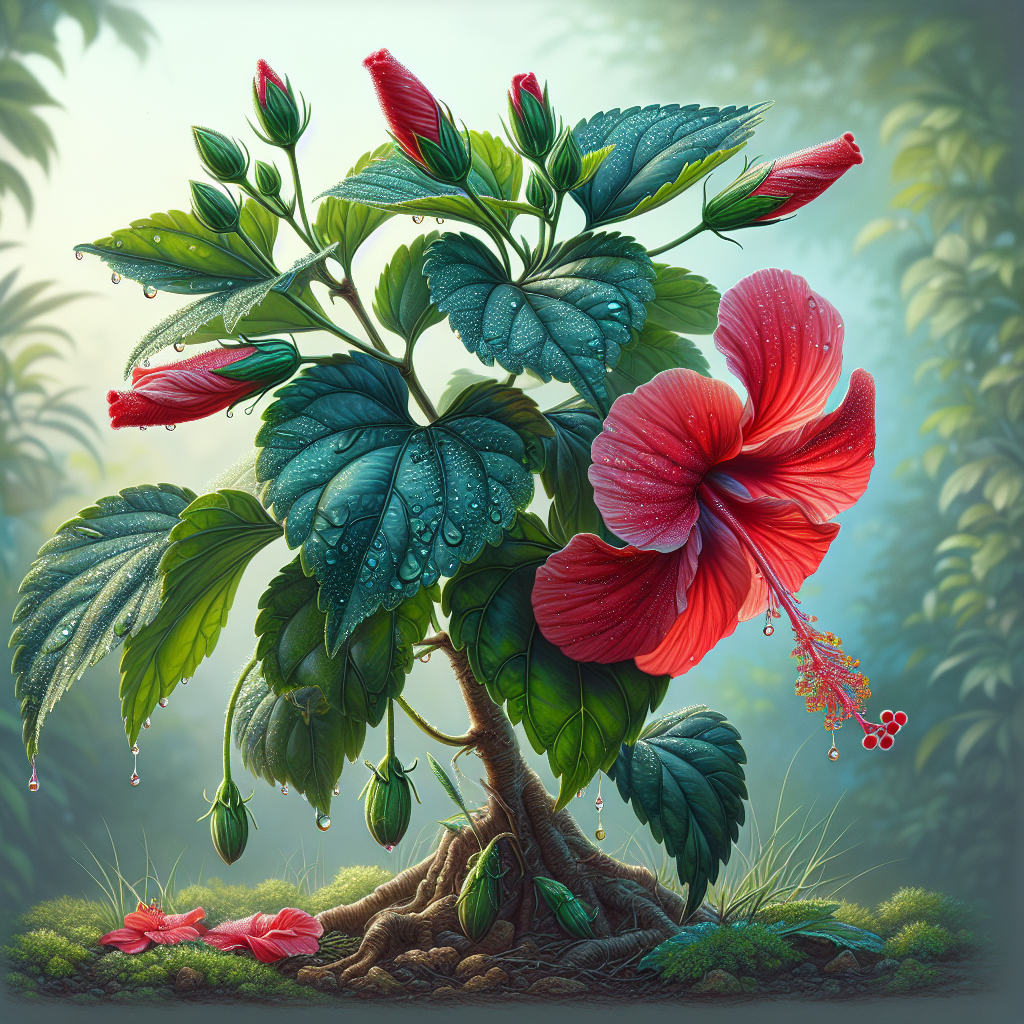
How to Stop Hibiscus Bud Drop: Causes, Organic Fixes, and Prevention
Introduction
Hibiscus plants are prized for their large, vibrant flowers, but nothing is more frustrating than watching buds form only to drop off the stems before they can open. This phenomenon, known as hibiscus bud drop or bud blast, is a common issue for both indoor potted hibiscus and outdoor garden varieties. It signals environmental stress rather than a fatal disease, often linked to sudden changes in conditions that tropical hibiscus plants--native to warm, humid climates--cannot tolerate.
Whether your hibiscus is a hardy outdoor shrub like Hibiscus rosa-sinensis or a tropical beauty struggling indoors during winter, bud drop robs you of those spectacular blooms. The good news? It's usually reversible with prompt, organic interventions. In this guide, we'll explore the root causes, provide actionable organic solutions, and share prevention strategies to keep your hibiscus flowering profusely year-round. Similar stress symptoms can appear in crops like tomato plants, where inconsistent conditions lead to blossom drop.
Common Causes of Hibiscus Bud Drop
Bud drop occurs when the plant aborts buds to conserve energy under stress. Here's a breakdown of the most frequent culprits, presented in a table for quick reference:
| Cause | Symptoms | Why It Happens |
|---|---|---|
| Inconsistent Watering | Wilting leaves, dry soil alternating with soggy roots | Hibiscus needs even moisture; overwatering drowns roots, underwatering stresses the plant. |
| Low Humidity | Dry, crispy leaf edges; buds drop in dry air (common indoors) | Tropical plants crave 50-60% humidity; heating vents or AC drop levels below 40%. |
| Temperature Fluctuations | Buds shrivel and fall; stunted growth | Ideal range is 60-80°F (15-27°C); drafts, cold nights (<55°F), or hot spots trigger drop. |
| Pests | Sticky residue (honeydew), webbing, tiny insects on buds | Aphids, spider mites, thrips suck sap, weakening buds. Common on bell pepper too. |
| Nutrient Imbalance | Pale leaves, weak stems; excessive salts on soil surface | Over-fertilizing burns roots; deficiencies (e.g., potassium) halt bud development. |
| Poor Lighting | Leggy growth, small buds that fail | Too little light (<6 hours indirect sun); direct scorch also stresses. |
| Root Issues | Stunted plant, yellowing lower leaves | Pot-bound roots or transplant shock limit water/nutrient uptake. |
These factors often compound--e.g., dry indoor air plus erratic watering mimics the stress of a chili pepper in fluctuating weather. Diagnose by inspecting your setup: check soil moisture with your finger (top 1-2 inches dry? Water), monitor a hygrometer for humidity, and use a thermometer for temps.
Step-by-Step Organic Solutions
Act quickly to save remaining buds and encourage new growth. Follow these organic steps in order, prioritizing non-chemical fixes.
Step 1: Optimize Watering (Immediate Fix)
- Test Soil Moisture: Insert a finger or wooden stick 2 inches deep. Water only if dry; ensure pots have drainage holes to prevent root rot.
- Establish a Schedule: Water deeply when topsoil dries, aiming for consistent moisture like a wrung-out sponge. Use room-temperature rainwater or dechlorinated water.
- Mulch Organically: Apply 2 inches of compost or bark mulch to retain moisture without sogginess.
Expect improvement in 1-2 weeks as roots recover.
Step 2: Boost Humidity
- Mist Daily: Use a spray bottle with filtered water on leaves and buds morningly; avoid evenings to prevent fungal issues.
- Pebble Tray Method: Place pot on a tray of pebbles covered with water (pot above waterline). Evaporation raises humidity 10-20%.
- Group Plants: Cluster hibiscus with humidity-loving companions like nasturtium to create a microclimate.
Step 3: Stabilize Temperature and Light
- Relocate Indoors/Out: Move outdoor plants inside if nights dip below 60°F; avoid drafts, vents, or south-facing windows with intense sun.
- Ideal Setup: Provide bright, indirect light (east/west exposure) or sheer curtains for filtered sun. Supplement with grow lights (12-14 hours/day) if needed.
- Insulate Pots: Wrap outdoor pots in burlap during cold snaps.
Step 4: Combat Pests Organically
- Inspect Undersides: Look for aphids (green clusters), spider mites (webs), thrips (silver streaks).
- Neem Oil Spray: Mix 1 tsp neem oil + 1 tsp dish soap in 1 quart water. Spray every 3-5 days until pests gone (test on one leaf first).
- Introduce Beneficials: Release ladybugs or use insecticidal soap. Companion plant garlic nearby--its scent repels aphids naturally.
| Pest | Organic Treatment | Application Frequency |
|---|---|---|
| Aphids | Neem or soap spray | Every 3 days |
| Spider Mites | Horticultural oil + misting | Weekly |
| Thrips | Sticky traps + neem | As needed |
Step 5: Balance Nutrition and Roots
- Flush Soil: Water thoroughly with plain water to leach excess salts (3x pot volume).
- Organic Fertilizer: Apply diluted fish emulsion or compost tea (half-strength) every 4 weeks during growth. Focus on balanced NPK (e.g., 10-10-10 organic).
- Repot if Root-Bound: Gently remove, trim dead roots, use fresh potting mix with perlite for drainage. Upsize pot by 2 inches.
Monitor progress: New buds should set within 2-4 weeks. Prune dropped bud stems to redirect energy.
Prevention Tips for Healthy Hibiscus Blooms
Prevention beats cure. Integrate these habits for ongoing success:
- Site Selection: Outdoors, choose sheltered spots with morning sun and afternoon shade. Indoors, stable rooms away from windowsills.
- Humidity Maintenance: Install a humidifier for 50%+ levels year-round, especially winter.
- Consistent Care Routine: Water/weigh pots same time weekly; use self-watering pots for vacations.
- Seasonal Adjustments: Acclimate plants slowly to moves (e.g., indoor to outdoor). Fertilize spring-fall, rest winter.
- Companion Planting: Pair with pest-repelling nasturtium or garlic to deter invaders naturally.
- Soil Health: Annually top-dress with compost; test pH (5.5-6.5 ideal).
- Pruning: Remove 1/3 of old wood post-bloom to promote bushiness and airflow.
By mimicking hibiscus's tropical origins, you'll minimize stress. Track conditions in a journal to spot patterns early.
With these organic strategies, your hibiscus should rebound with masses of flowers. Patience is key--stressed plants need time to recover. For related issues in veggies, check tomato guides on blossom end rot.
(Word count: 912)