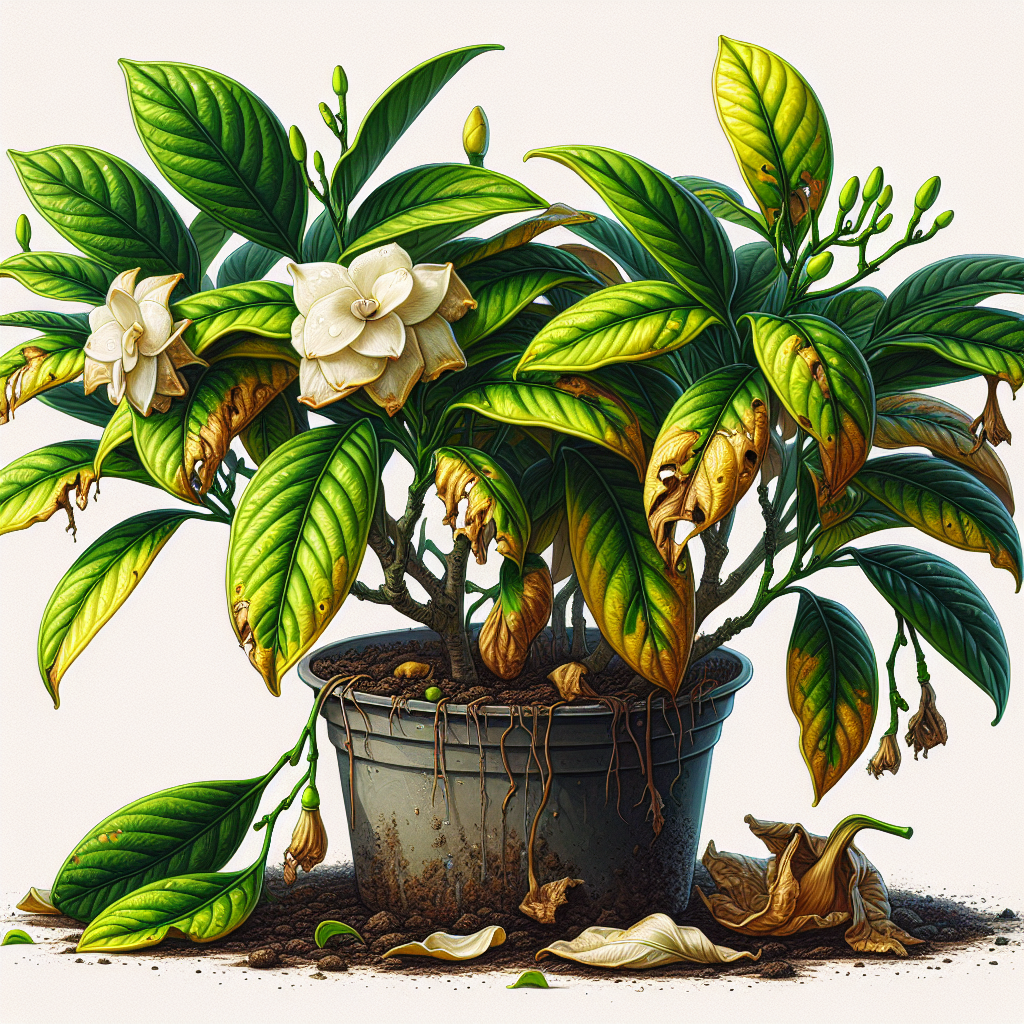
How to Revive a Sad Gardenia: Diagnose Yellow Leaves, Wilting, and Drooping Issues
Introduction
Gardenias are stunning evergreen shrubs prized for their fragrant white flowers and glossy green leaves, but they can quickly look 'sad'--with yellowing leaves (chlorosis), wilting, drooping branches, or bud drop--leaving gardeners frustrated. If your newly acquired gardenia (perhaps from a house move like inheriting it with a new home) appears lifeless, you're not alone. These tropical beauties demand specific conditions: acidic soil, consistent moisture, and protection from harsh sun. This guide breaks down the most common causes, provides organic step-by-step solutions, and shares prevention strategies to keep your gardenia thriving year-round. Whether potted or in-ground, reviving a sad gardenia is achievable with targeted care.
Common Causes of a Sad Gardenia
Gardenias are finicky about their environment, and symptoms like yellow leaves between veins, crispy edges, or overall droopiness signal underlying issues. Here's a breakdown of the top culprits:
1. **Soil pH Imbalance (Most Common)**
Gardenias thrive in acidic soil (pH 5.0-6.5). Alkaline soil (pH above 7.0) locks out iron and other micronutrients, causing chlorosis--yellow leaves with green veins. This is especially prevalent in areas with hard, calcareous water or limestone-heavy soil.
2. **Nutrient Deficiencies**
- Iron Deficiency: Classic interveinal yellowing on young leaves.
- Magnesium or Nitrogen Shortage: Older leaves yellow from the bottom up. Over-fertilizing with high-nitrogen formulas can burn roots, mimicking deficiency.
3. **Watering Problems**
- Underwatering: Leaves droop, soil pulls from pot edges, buds drop.
- Overwatering: Root rot leads to mushy stems and black roots. Gardenias hate soggy feet but need even moisture.
4. **Pests and Diseases**
- Aphids, Scale, Mealybugs: Sucking insects cause sticky honeydew, sooty mold, and leaf curl.
- Fungal Issues: Root rot (Phytophthora) or powdery mildew from poor air circulation.
5. **Environmental Stress**
Too much direct sun scorches leaves; cold drafts (below 60°F/15°C) or low humidity trigger bud drop. Poor drainage exacerbates everything.
Similar issues plague acid-loving crops like Blueberry or Strawberry plants--check our wiki for tailored care.
Step-by-Step Organic Solutions
Act quickly but gently--gardenias are sensitive. Start with diagnosis, then treat.
Step 1: Assess and Diagnose
- Inspect Roots: Gently unpot (if containerized) or dig around in-ground plants. Healthy roots are white/firm; black/mushy means rot.
- Test Soil pH: Use a home kit or send to a lab. Aim for 5.0-6.0.
- Check for Pests: Look undersides of leaves with a magnifying glass.
Step 2: Fix Soil pH and Nutrition (Organic Method)
- Acidify Soil: Mix in elemental sulfur (1-2 tbsp per gallon of soil) or pine bark fines/cottonseed meal (20-30% amendment). Reapply every 3 months.
- Chelated Iron Foliar Spray: Dissolve 1 tsp chelated iron (sequestered form, organic-approved) in 1 quart water + 1 tsp mild dish soap. Spray leaves weekly until green-up (avoid midday sun).
- Organic Fertilizer: Use acid-loving plant food like cottonseed meal, fish emulsion, or composted oak leaves. Apply diluted (half-strength) every 4-6 weeks during growth (spring-fall). For magnesium, add Epsom salts (1 tbsp/gallon water) as a drench.
Pro Tip: Mimic forest floor--top-dress with pine needles or peat moss for slow-release acidity.
Step 3: Correct Watering and Drainage
- Repot if Needed: Use a pot 2" larger with drainage holes. Mix 50% peat/perlite + 50% pine bark for breathable, acidic media.
- Watering Schedule: Finger-test soil--water when top 1-2" dry. Use rainwater or acidified tap water (add 1 tbsp vinegar/gallon). Deep soak, then let drain fully.
- Mulch: 2-3" organic layer (shredded leaves) retains moisture without sogginess.
Step 4: Combat Pests Organically
- Neem Oil Spray: Mix 2 tsp neem + 1 tsp castile soap in 1 quart water. Spray every 7 days pm.
- Horticultural Oil: For scale, smother adults.
- Beneficial Insects: Introduce ladybugs for aphids.
- Prune Affected Parts: Sterilize shears with alcohol.
Step 5: Optimize Environment
- Location: Morning sun + afternoon shade. Indoors: bright indirect light, 60-70% humidity (pebble tray).
- Temperature: 65-75°F day, no below 60°F night.
Monitor progress in 2-4 weeks. Severe cases may need root pruning and fresh soil.
Prevention Tips for Healthy Gardenias
- Annual Soil Test: Adjust pH proactively.
- Consistent Care Routine: Water deeply but infrequently; fertilize spring-fall only.
- Companion Planting: Pair with acid-lovers like Raspberry bushes or Tea plants to naturally acidify soil via leaf drop.
- Winter Protection: Mulch heavily; bring pots indoors.
- Microbial Boost: Inoculate soil with mycorrhizal fungi for better nutrient uptake.
Integrate gardenias into your farm zones using OnlyCrops AI's Zone Management for tracking alongside edibles like Lemon trees.
When to Use OnlyCrops AI Farm Vision for This Issue
Snap a photo of your sad gardenia with Farm Vision AI--our camera-based tool instantly identifies the plant species and diagnoses issues like chlorosis, pests, or rot with 95%+ accuracy. It delivers a custom organic action plan tailored to your GPS location, weather, and soil data. No guesswork: upload offline via our PWA, get push notifications for follow-ups, and track recovery in Automated Task Scheduling. Pair with AI Chat Assistant for voice queries like "My gardenia leaves are yellowing in zone 2." Perfect for multi-crop farms blending ornamentals and edibles. Lifetime access means unlimited diagnoses (generous credits included).
Reviving your gardenia restores not just beauty but pollinator habitat. With these organic steps, expect blooms in 4-6 weeks. Happy gardening!
(Word count: 912)