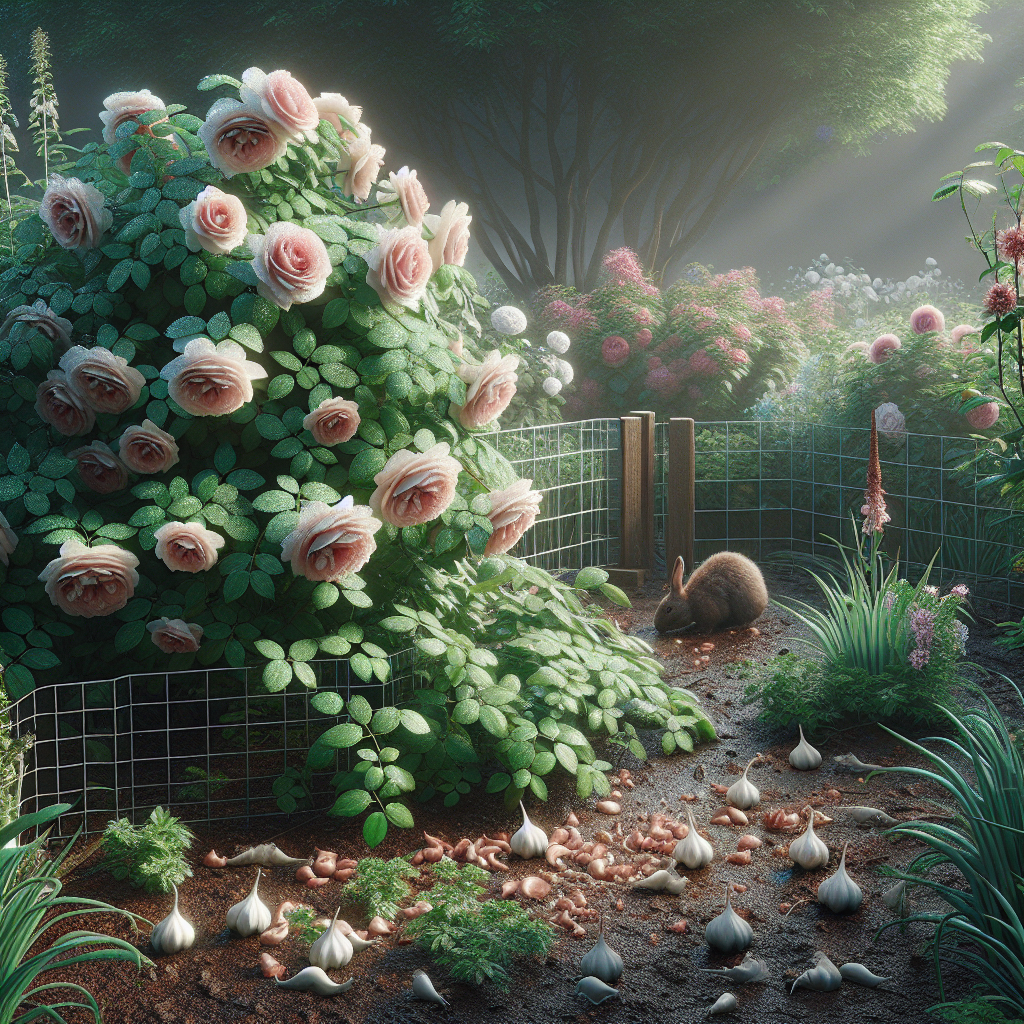
How to Protect Rose Bushes from Rabbits: Effective Organic Deterrents and Prevention Strategies
Introduction
Rabbits can wreak havoc on rose bushes, nibbling on tender stems, leaves, and buds, often leaving your prized plants stripped bare overnight. These prolific garden pests are drawn to the soft, succulent growth of roses, especially new shoots in spring and fall. If you've noticed clean-cut chew marks about 2-3 inches above ground or small, round droppings near your plants, rabbits are likely the culprits. This guide provides practical, organic solutions to safeguard your roses, ensuring they thrive without resorting to harmful chemicals. With the right strategies, you can create a rabbit-resistant garden that protects your blooms while maintaining ecological balance.
Common Causes of Rabbit Damage to Rose Bushes
Understanding why rabbits target rose bushes is the first step to effective control. Rabbits are herbivores with a preference for high-fiber, low-toxin plants, and roses fit the bill perfectly due to their juicy foliage and lack of strong defenses.
Key Attractants
- Tender New Growth: Young shoots and buds are soft and nutrient-rich, making them prime targets during peak growth periods.
- Habitat Proximity: Overgrown brush piles, wood stacks, or unmowed edges provide safe cover and easy access to gardens.
- Food Scarcity: In lean seasons (early spring, late fall), rabbits raid gardens when wild forage is scarce.
- Lack of Predators: Urban or suburban areas with few foxes, hawks, or owls encourage rabbit populations to boom.
Signs of Infestation
| Sign | Description | Severity Indicator |
|---|---|---|
| Chew Marks | Clean, angled cuts 1/4-1 inch wide on stems | Low to Moderate |
| Missing Bark | Stripped outer layers on lower canes | Moderate |
| Droppings | Small, round, green-brown pellets (like cocoa puffs) | High population |
| Trampled Paths | Narrow trails leading to plants | Widespread issue |
| Bud Loss | Flower buds vanished without petals | Urgent action needed |
Rabbits often feed at dawn and dusk, multiplying damage quickly. Populations can double annually in ideal conditions, turning a minor nibble into a garden disaster.
Step-by-Step Organic Solutions
Focus on layered defenses: physical barriers, repellents, and diversions. These methods are safe for pollinators, pets, and wildlife, emphasizing prevention over eradication.
Step 1: Install Physical Barriers (Most Effective Long-Term)
- Measure and Plan: Assess your rose bed perimeter. For individual bushes, use cylinders; for beds, full fencing.
- Chicken Wire Fencing: Dig a 6-12 inch trench around the base. Erect 2-3 foot high wire (1-inch mesh) and bend the top outward in an L-shape to deter jumping.
- Secure It: Bury the bottom edge 6 inches deep and angle outward. Use landscape staples every 12 inches.
- Cylinders for Single Plants: Wrap 24-36 inch high wire around each bush, secured with zip ties.
This method blocks 95% of access, lasting years with minimal maintenance.
Step 2: Apply Natural Repellents
Reapply after rain or every 7-10 days. Test on a small area first.
Homemade Garlic-Chili Spray:
- Blend 2 bulbs Garlic, 10 chili peppers (or powder), 1 onion, and 1 tbsp dish soap in 2 cups water.
- Strain, dilute in 1 gallon water, and spray stems/leaves.
- Odor repels rabbits via strong sulfur compounds.
Blood Meal Barrier:
- Sprinkle 1-2 inch ring around plants (1 lb per 10 sq ft). Reapply monthly. The iron scent mimics predator presence.
Comparison of Repellents:
| Repellent | Ingredients | Application Frequency | Cost per Season | Effectiveness |
|---|---|---|---|---|
| Garlic Spray | Garlic, chili, soap | Weekly | Low ($5) | High (80%) |
| Blood Meal | Dried blood | Monthly | Medium ($15) | Very High (90%) |
| Egg Solution | Beaten eggs | Bi-weekly | Low ($3) | Moderate (70%) |
| Human Hair | Collected hair | Monthly | Free | Moderate (60%) |
Step 3: Use Companion Planting and Diversions
- Plant Deterrents: Interplant with rabbit-resistant species like Nasturtium, Thyme, or Onion. These emit odors rabbits avoid.
- Diversion Crops: Plant sacrificial beds of clover or lettuce away from roses to draw rabbits elsewhere.
- Mulch Strategically: Use thorny pine needles or coarse wood chips as mulch to make access uncomfortable.
Step 4: Employ Traps and Relocation (Humane Option)
- Use live traps baited with apple slices.
- Check hourly, relocate 3+ miles away in suitable habitat.
- Cover trap with towel to reduce stress.
Combine methods for 99% success--barriers first, repellents second.
Prevention Tips
Long-term success comes from proactive habits:
- Modify Habitat: Clear brush piles, tall grass, and wood stacks within 50 feet. Mow edges regularly.
- Encourage Predators: Install owl boxes or raptor perches. Avoid rodenticides that harm birds of prey.
- Rotate Repellents: Alternate sprays to prevent habituation.
- Seasonal Timing: Protect new plantings in fall/spring with extra fencing.
- Garden Design: Space roses 3-4 feet apart with underplantings of Garlic or alliums.
- Monitor and Maintain: Weekly inspections catch issues early. Use motion-activated sprinklers for tech boost.
Year-Round Prevention Timeline:
| Season | Action | Priority |
|---|---|---|
| Spring | Install fencing, plant companions | High |
| Summer | Apply sprays, check barriers | Medium |
| Fall | Add mulch, diversion crops | High |
| Winter | Habitat cleanup, blood meal | Low |
By integrating these organic strategies, your rose bushes will flourish bunny-free. Expect initial investment (fencing ~$50 for 20 ft), but ROI is immediate with preserved plants. Adapt to your local rabbit pressure--rural areas may need taller fences (4 ft). For persistent issues, combine with neighborhood efforts for area-wide control.
This comprehensive approach not only saves your roses but fosters a balanced ecosystem. Happy gardening!