Introduction
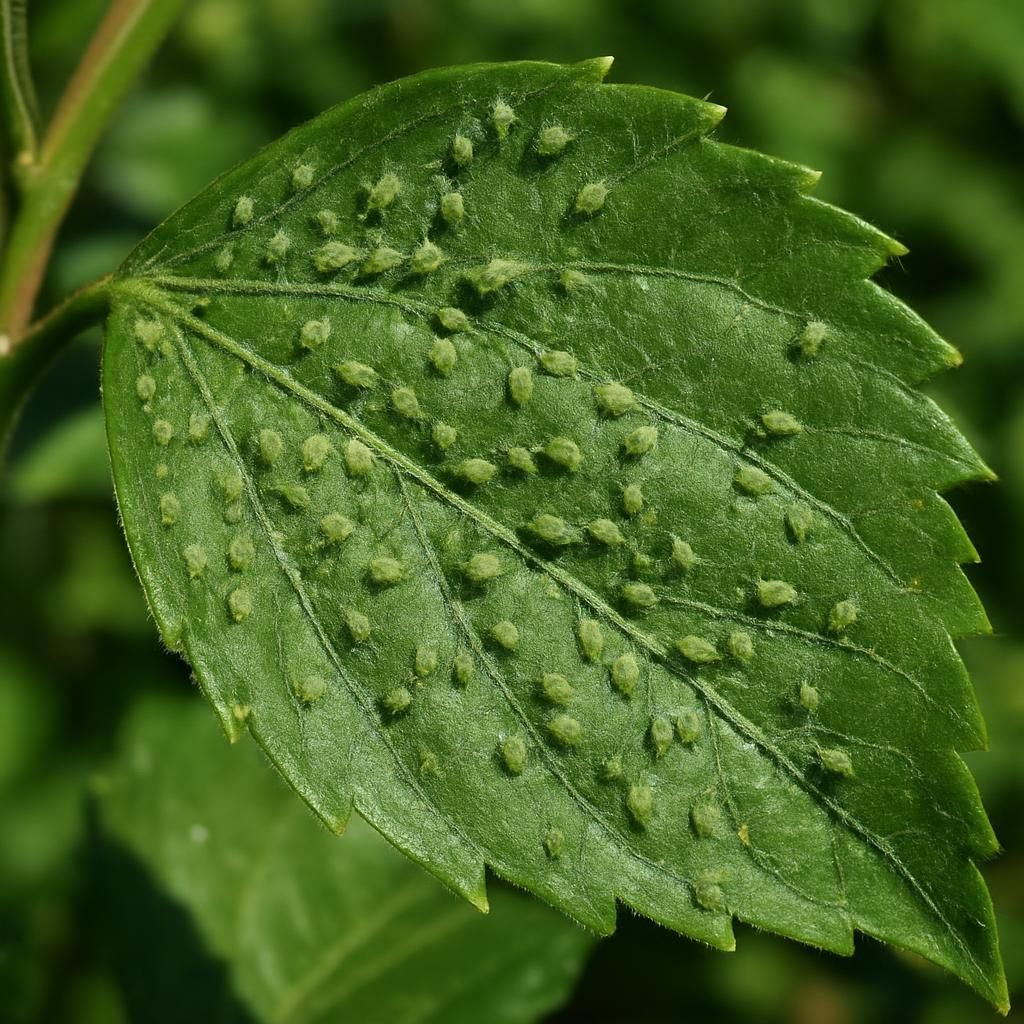
Hibiscus plants are prized for their vibrant blooms, but they frequently become targets for sap-sucking insects that can quickly overwhelm foliage and flowers. Forum users often describe mysterious "things taking over" their hibiscus, typically referring to clusters of aphids, whiteflies, spider mites, or scale insects. These pests multiply rapidly in warm conditions, causing yellowing leaves, stunted growth, and reduced flowering. This guide provides a complete organic approach to identification, treatment, and long-term prevention.
Common Causes
Several insects are responsible for infestations on hibiscus. Accurate identification is the first step toward effective control.
| Pest | Appearance | Typical Damage | Preferred Conditions |
|---|---|---|---|
| Aphids | Small green, black, or pink soft-bodied insects | Curling leaves, sticky honeydew, sooty mold | Cool to warm spring and fall |
| Spider Mites | Tiny red or yellow specks with fine webbing | Speckled yellow leaves, premature drop | Hot, dry indoor or outdoor environments |
| Whiteflies | Tiny white moth-like insects that fly when disturbed | Yellowing leaves, honeydew, weakened plants | Warm greenhouses and gardens |
| Scale Insects | Hard or soft bumps on stems and leaves | Yellow foliage, dieback | Overwintering indoors |
These same pests frequently attack Tomato, Bell Pepper, and Cucumber plants, making early detection important across the garden.
Step-by-Step Organic Solutions
1. Confirm the Infestation
Begin by inspecting the undersides of leaves and new growth with a magnifying glass. Shake stems over white paper to check for mites or whiteflies. Note any sticky residue or webbing.
2. Physical Removal
- Spray plants thoroughly with a strong stream of water every two to three days to dislodge aphids and mites.
- Wipe scale insects with a cotton swab dipped in isopropyl alcohol.
- Prune heavily infested stems and dispose of them away from the garden.
3. Apply Organic Sprays
Mix and apply one of the following treatments in the early morning or evening:
- Insecticidal soap: 1-2 teaspoons per quart of water; repeat every 5-7 days.
- Neem oil emulsion: 1 teaspoon neem oil + 1 teaspoon mild soap per quart of water; apply weekly for three weeks.
- Horticultural oil: Follow label rates for dormant or summer oils on woody stems.
4. Introduce Beneficial Insects
Release ladybugs, lacewings, or predatory mites when temperatures are above 55 °F. Provide pollen sources such as dill or alyssum to encourage populations.
5. Monitor and Repeat
Check plants twice weekly. Continue treatments until no live pests are visible for two consecutive weeks. For indoor hibiscus, increase humidity and isolate plants to prevent spread.
Prevention Tips
Maintain plant health to reduce susceptibility:
- Water consistently at the base, avoiding wet foliage.
- Fertilize with balanced organic nutrients rather than high-nitrogen formulas that promote tender growth favored by aphids.
- Space plants properly for airflow and inspect new additions before introducing them to the garden.
- Mulch with organic matter to support soil biology and beneficial predators.
- Rotate hibiscus with less susceptible species such as Garlic or Onion in mixed plantings.
Regular scouting combined with these cultural practices keeps most hibiscus pest problems manageable without synthetic chemicals.