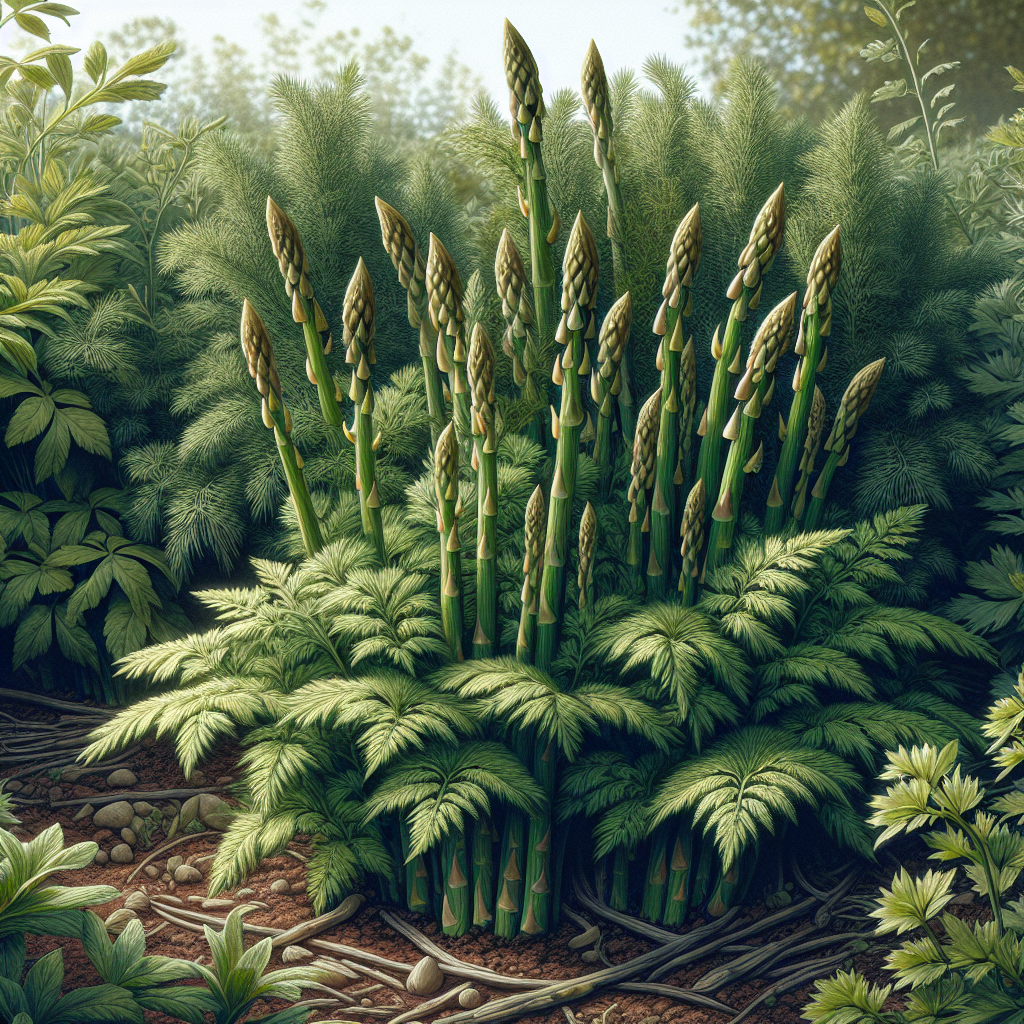
How to Fix Short and Bushy Growth in Asparagus: Causes and Organic Solutions
Asparagus (Asparagus officinalis) is a beloved perennial crop known for its tender spears and feathery ferns. However, many gardeners notice their plants developing short, bushy growth--where spears emerge thin and stubby, and foliage appears dense and compact rather than tall and graceful. This issue frustrates home growers and commercial farmers alike, often signaling underlying stress in the bed. If left unaddressed, it can reduce yields and shorten the bed's productive life, which should span 15-20 years.
As the lead agronomist at OnlyCrops AI, I've seen this problem across climates, from temperate zones to subtropical regions. Short, bushy asparagus typically stems from environmental stress, poor soil conditions, or management errors. The good news? Organic solutions can revive your patch quickly. In this evergreen guide, we'll explore causes, provide actionable fixes, and share prevention tips tailored for organic farming.
Common Causes of Short and Bushy Asparagus Growth
Understanding the root (pun intended) of the problem is key. Asparagus crowns take 2-3 years to establish deep roots, and disruptions lead to stunted tops. Here's a breakdown of the most frequent culprits:
1. **Overcrowding and Root Competition**
- Asparagus crowns planted too closely (less than 12-18 inches apart) compete for nutrients, water, and light. Over time (5-10 years), this causes multiple small crowns per plant, resulting in bushy, low-growth clusters.
- Signs: Dense clumps of thin spears, ferns that sprawl horizontally rather than upright.
2. **Nutrient Imbalances in Soil**
- Nitrogen Deficiency: Leads to pale, weak ferns and short spears. Asparagus is a heavy feeder.
- Potassium Shortage: Causes compact, bushy foliage with edged leaves ("marginal burn").
- pH Imbalance: Ideal is 6.5-7.5; acidic soil (<6.0) locks up nutrients, stunting growth.
- Poor organic matter depletes soil fertility over years.
3. **Water Stress and Poor Drainage**
- Inconsistent watering stresses roots, prompting survival mode: short spears to conserve energy.
- Waterlogged soil promotes root rot, mimicking bushy top growth from weakened systems.
4. **Insufficient Sunlight or Temperature Extremes**
- Less than 6-8 hours of full sun daily results in leggy, bushy attempts at fern development.
- Cool springs delay spear elongation, making them appear stubby.
5. **Pests, Diseases, and Harvest Overload**
- Asparagus beetles chew spears, forcing bushy regrowth.
- Fusarium wilt or crown rot (fungal) damages roots, leading to sparse, bushy tops.
- Harvesting beyond 8 weeks in year 3+ exhausts plants.
For variety-specific insights, check our wiki on popular cultivars like Mary Washington Asparagus or Jersey Knight Asparagus, which thrive in well-managed soils.
Step-by-Step Organic Solutions
Reviving short, bushy asparagus requires patience--expect improvements next season. Focus on organic methods to build long-term soil health. Here's a proven protocol:
Step 1: Assess and Test Your Bed (Week 1)
- Dig a Test Hole: Excavate 12 inches deep near affected plants. Check for compacted soil, wet roots, or multiple crowns.
- Soil Test: Use a home kit or lab for pH, N-P-K levels. Aim for balanced fertility (e.g., 100-150 ppm N).
- Inspect for Pests/Disease: Look for beetles or mushy crowns. Remove infested material.
Step 2: Thin and Divide Overcrowded Crowns (Late Fall or Early Spring)
- Cut back dead ferns to 2 inches.
- Lift crowns with a spade fork, preserving roots.
- Divide large clumps into sections with 3-5 buds each.
- Replant 12-18 inches apart in trenches 6-8 inches deep, backfilled with compost-rich soil.
- Pro Tip: Incorporate 2-4 inches of aged compost per trench for Asparagus (Purple Passion).
Step 3: Amend Soil Organically (Immediate)
- Boost Nitrogen: Side-dress with blood meal (12-0-0) or fish emulsion (5-1-1) at 1 lb/100 sq ft. Apply post-harvest.
- Add Potassium: Use wood ash (0-1-3) or kelp meal (0-0-10), 1-2 lbs/100 sq ft.
- Lime if Needed: For pH <6.5, apply pelletized lime at 50 lbs/1,000 sq ft.
- Mulch Heavily: 4-6 inches of straw or leaves suppresses weeds and retains moisture.
Step 4: Optimize Water and Sun (Ongoing)
- Water deeply (1-2 inches/week) during dry spells, especially fern growth phase (spring-summer).
- Ensure full sun; thin surrounding plants if shaded.
- Improve drainage with raised beds if soil is heavy clay.
Step 5: Manage Pests and Harvest (Seasonal)
- Hand-pick beetles; plant companions like Thyme or Nasturtium to deter them.
- Harvest spears <1/2 inch thick only; stop after 8 weeks.
- Let ferns grow tall (4-6 ft) to photosynthesize and store energy in roots.
Repeat annually for best results. Monitor progress with photos.
Prevention Tips for Healthy Asparagus Beds
Prevention is easier than cure. Build resilient beds from day one:
- Site Selection: Sunny, well-drained spot. Avoid low-lying frost pockets.
- Soil Prep: Till in 20-30% organic matter (compost, manure) to 18 inches deep.
- Planting: Use 1-year-old crowns, spaced properly. Water weekly first year.
- Fertility Rotation: Alternate organic amendments yearly. Use cover crops like clover between rows.
- Annual Maintenance:
Task Timing Organic Method Mulch Spring Straw, 4 inches Fertilize Post-harvest Compost tea Weed Ongoing Hand-pull Divide Every 10 years As needed - Companion Planting: Pair with Tomato or Onion for pest deterrence (see our Companion Planting tool in OnlyCrops AI).
These steps ensure vigorous spears up to 8-10 inches long.
When to Use OnlyCrops AI Farm Vision for This Issue
Snap a photo of your short, bushy asparagus with OnlyCrops AI Farm Vision--our camera-based tool identifies issues instantly, distinguishing nutrient deficiencies from diseases or pests. It analyzes leaf patterns, spear thickness, and soil context, then delivers a custom organic action plan. Input your location for hyper-local weather integration, ensuring timely fixes. Pair with AI Chat for variety advice (e.g., Mary Washington Asparagus) and Automated Task Scheduling for reminders. Works offline as a PWA on any device--no subscriptions needed.
With these strategies, your asparagus will thrive. Share your before/after in our community!
(Word count: 912)