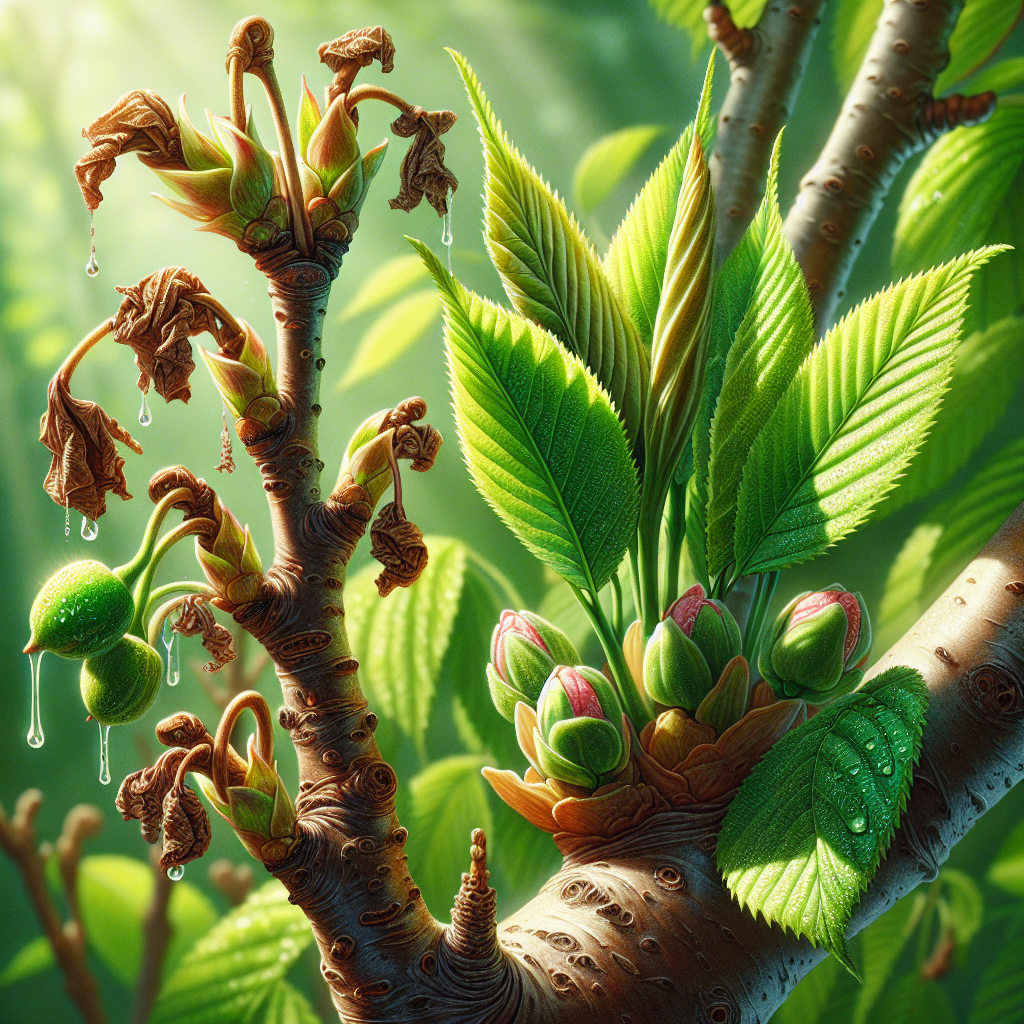
How to Diagnose and Fix Wilting Tips on Cherry Bushes: Organic Solutions for Healthy Growth
Introduction
Noticing the tips of your cherry bush wilting? This distressing symptom--where young shoots droop, curl, and turn brown--can halt growth, reduce fruit production, and even threaten the plant's survival. Cherry bushes, such as compact varieties of Cherry, Bing Cherry, or Rainier Cherry, thrive in well-drained soils with consistent moisture, but wilting tips often indicate underlying stress. Whether you're growing these in a backyard orchard, container, or hedge, prompt diagnosis is key.
Wilting typically starts at the shoot tips, progressing inward if untreated. It differs from general leaf yellowing or full-branch dieback, pointing to localized issues like tip burn or sap-sucking pests. Common in spring during new growth flushes or hot summers, this problem affects both dwarf bushes and standard cherries. By understanding causes and applying organic remedies, you can revive your plants and ensure bountiful harvests of juicy cherries. This guide covers diagnosis, organic treatments, and prevention for sustainable gardening success.
Common Causes
Wilting tips on cherry bushes stem from several interconnected factors. Identifying the root cause requires close inspection of symptoms, soil, and environment. Below is a diagnostic table to help differentiate issues:
| Cause | Key Symptoms | Likely Conditions | Affected Plant Parts |
|---|---|---|---|
| Underwatering/Drought Stress | Tips wilt during hot afternoons, recover at night; soil dry 2-3 inches deep | Hot weather, sandy soils, inconsistent watering | New shoots, young leaves |
| Overwatering/Root Rot | Persistent wilting even after watering; yellowing lower leaves, mushy roots | Poor drainage, clay soils, excessive rain | Tips and entire branches |
| Pests (Aphids, Mites) | Sticky honeydew, curled tips, tiny insects on undersides; black sooty mold | Warm, dry springs; crowded plants | Shoot tips, tender growth |
| Diseases (Verticillium Wilt, Bacterial Canker) | Sudden wilting on one side; brown vascular streaks in stems; no recovery | Cool, wet springs; infected soil/tools | Tips progressing to branches |
| Nutrient Deficiency (Potassium) | Scorched, brown tips; weak growth; marginal leaf burn | Low-fertility soils, heavy rain leaching | Older tips first, then new |
| Environmental Stress (Wind/Heat) | Uniform tip dieback; no pests/disease signs | Exposed sites, sudden temperature swings | Exposed shoots |
Underwatering is the most frequent culprit, as cherry bushes demand 1-2 inches of water weekly, roots extending beyond the canopy. Pests like cherry aphids cluster at tips, extracting sap and causing wilting. Diseases thrive in poorly drained soils, while nutrient issues arise in unamended ground. Test soil moisture by inserting a finger 2 inches deep--if dry, water; if soggy, improve drainage. Examine tips with a magnifying glass for pests. For diseases, slice a stem: brown streaks indicate vascular wilt.
Step-by-Step Organic Solutions
Act quickly with these organic, chemical-free strategies tailored to cherry bushes. Always start with diagnosis to target the cause.
1. Address Water Stress (Most Common Fix)
- Step 1: Check soil moisture daily. Water deeply (to 18-24 inches) when top 2 inches are dry, using drip irrigation or soaker hoses to mimic rain.
- Step 2: Mulch 3-4 inches thick around the base with organic matter like wood chips or straw, keeping it 2 inches from the trunk to prevent rot.
- Step 3: Prune wilted tips with sterilized shears at a 45-degree angle above a bud. Dispose of clippings to avoid disease spread.
- Expected Recovery: Shoots firm up in 3-7 days with consistent moisture.
2. Combat Pests Organically
- Step 1: Blast aphids/mites off tips with a strong water jet from a hose (early morning). Repeat every 2-3 days.
- Step 2: Apply neem oil spray (1-2% solution) weekly: Mix 2 tsp neem oil, 1 tsp dish soap, 1 quart water. Coat undersides thoroughly at dusk.
- Step 3: Introduce beneficial insects like ladybugs (release 1,500 per bush) or plant companion Nasturtium nearby to attract predators.
- Monitoring: Check weekly; populations drop in 1-2 weeks.
3. Treat Diseases and Root Issues
- Step 1: Improve drainage by elevating beds or adding compost/perlite to soil (20% mix).
- Step 2: For suspected wilt, remove affected branches. Apply compost tea drench: Brew 1 part compost in 5 parts water for 3 days, strain, and pour at base.
- Step 3: Solarize soil in off-season: Cover bare ground with clear plastic for 4-6 weeks in summer to kill pathogens.
- Note: Severe verticillium (common after Potato crops) may require removing the bush; avoid replanting Prunus species.
4. Correct Nutrients and Environment
- Step 1: Soil test (kits available at garden stores). For potassium deficiency, side-dress with wood ash (1 cup per bush) or banana peels buried nearby.
- Step 2: Foliar feed with comfrey tea: Soak leaves in water 1 week, dilute 1:10, spray tips weekly.
- Step 3: Wind-protect with burlap screens or plant as hedges. Shade cloth (30%) during heatwaves.
Reassess after 2 weeks. Healthy cherry bushes rebound with deep green growth and vigorous flowering.
Prevention Tips
Prevent wilting tips proactively for thriving cherry bushes:
- Optimal Watering Schedule: Use a rain gauge; aim for 1 inch/week, more in fruiting season. Install moisture meters for precision.
- Soil Health Maintenance: Annually amend with 2-4 inches compost. pH 6.0-7.0 ideal--lime if acidic.
- Pest Scouting: Inspect tips bi-weekly. Encourage biodiversity with flowers like yarrow.
- Pruning Practices: Thin annually in late winter to improve airflow, reducing disease.
- Site Selection: Full sun, sheltered from wind; space bushes 8-12 feet apart.
- Seasonal Care: Winter mulch deeply; spring fertilize lightly with fish emulsion.
By integrating these habits, your cherry bushes will resist wilting, yielding up to 20-50 pounds of fruit per mature plant. Consistent care turns potential losses into abundant harvests.
(Word count: 912)