Introduction to Water Caltrop (Trapa natans)
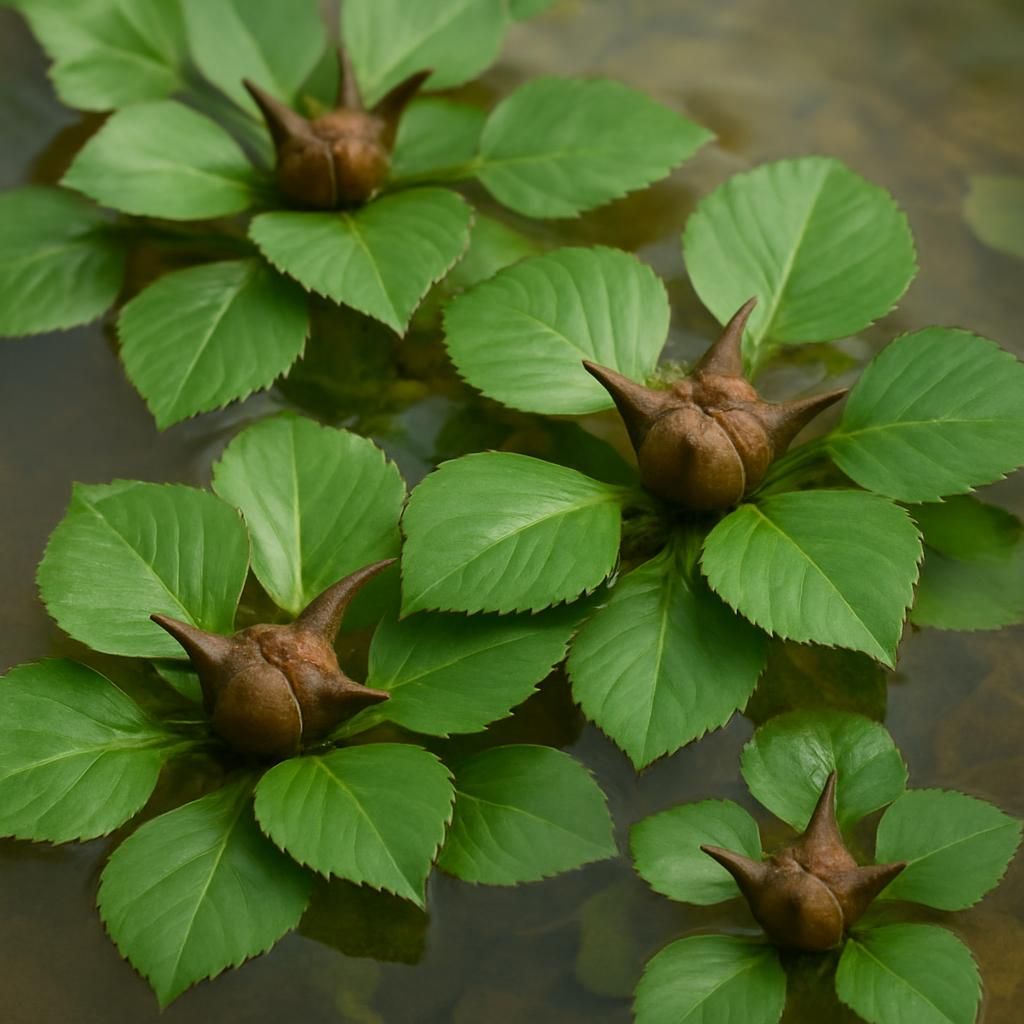
Water Caltrop, scientifically known as Trapa natans, is an aquatic floating plant cultivated primarily for its nutritious, horn-shaped nuts. Native to temperate and subtropical regions of Eurasia, it has been grown for centuries in shallow ponds, lakes, and slow-moving waterways. The plant produces distinctive triangular nuts with two to four sharp spines that protect the seed inside. These nuts are harvested in autumn and are valued for their crunchy texture and mild, chestnut-like flavor when cooked. In addition to its culinary uses, Water Caltrop plays an ecological role by providing habitat and oxygen in aquatic systems. Today, commercial and small-scale growers are reviving interest in this crop for both food security and sustainable aquatic farming.
Botanical Profile of Water Caltrop (Trapa natans)
Trapa natans is an annual aquatic herb belonging to the family Trapaceae. The plant develops a rosette of floating leaves that are diamond-shaped with serrated margins and supported by long, slender petioles. Below the surface, it produces finely divided, feather-like submerged leaves that help with nutrient uptake. The root system consists of adventitious roots that anchor the plant in the sediment while allowing it to float freely. Flowers are small, white, and emerge above the water surface, typically self-pollinating before developing into the characteristic spiny nuts. Each plant can produce dozens of nuts over a single growing season. The nuts remain viable for several months when stored properly and germinate readily in warm, shallow water the following spring.
Soil, pH, and Climate Requirements for Water Caltrop (Trapa natans)
Water Caltrop grows best in still or slow-moving freshwater bodies with a muddy or silty bottom that supplies adequate nutrients. The plant prefers slightly acidic to neutral water conditions and requires full sun exposure for optimal growth and nut production. Temperature is critical during the growing season, with warm days and nights promoting vigorous leaf and nut development.
| Parameter | Ideal Range | Notes |
|---|---|---|
| Soil / Substrate | Silty loam or clay sediment | Rich in organic matter for nutrient supply |
| Water pH | 6.0 – 7.5 | Slightly acidic to neutral |
| Water Depth | 30 – 150 cm | Shallow enough for light penetration |
| Water Temperature | 20 – 30 °C | Critical during germination and growth |
| Air Temperature | 18 – 32 °C daytime | Frost-free period required |
| Sunlight | Full sun (6+ hours) | Essential for photosynthesis and flowering |
| Salinity | < 0.5 ppt | Freshwater only; intolerant of brackish |
Step-by-Step Planting & Propagation
Propagation of Water Caltrop is achieved exclusively through seeds (nuts). Begin by collecting mature, viable nuts in late autumn and storing them in cool, moist conditions over winter. In early spring, when water temperatures reach at least 18 °C, sow the nuts directly into prepared shallow ponds or containers. Place each nut 5–10 cm deep in the sediment, spacing plants 30–50 cm apart to allow rosette expansion. Germination typically occurs within 10–20 days under warm conditions. If growing in containers, use large plastic tubs or lined ponds with at least 30 cm of water depth and a 10–15 cm layer of nutrient-rich silt. Maintain consistent water levels and avoid strong currents that can dislodge young plants. For larger-scale operations, consider dividing mature plants in mid-season to increase stand density, although seed propagation remains the most reliable method.
Care & Maintenance regimes for Water Caltrop (Trapa natans)
Successful cultivation requires regular monitoring of water quality, nutrient levels, and plant density. Maintain stable water depth throughout the season and replenish evaporated water with clean, non-chlorinated sources. Fertilization should be minimal; excessive nutrients can promote algal blooms that compete with the crop. Remove competing aquatic weeds by hand or with shallow raking to prevent shading. Prune or thin overcrowded rosettes in mid-summer to improve light penetration and air circulation. Monitor for signs of nutrient deficiency, such as yellowing leaves, and apply a balanced aquatic fertilizer only if growth stalls.
| Task | Frequency | Details |
|---|---|---|
| Water Level Check | Weekly | Maintain 30–150 cm depth; top up as needed |
| Fertilizer Application | Every 4–6 weeks | Low-dose aquatic fertilizer only if leaves show deficiency |
| Weed Removal | Bi-weekly | Hand-pull or rake competing vegetation |
| Thinning / Pruning | Once mid-season | Remove excess rosettes to maintain 30–50 cm spacing |
| Water Quality Testing | Monthly | Check pH, temperature, and dissolved oxygen |
Pests, Diseases & Organic Management
Water Caltrop is relatively resistant to many terrestrial pests but can be affected by aquatic insects and fungal pathogens. Aphids may colonize floating leaves, causing curling and reduced photosynthesis. Aphids can be controlled with strong water sprays or by introducing natural predators such as lady beetles. Fungal leaf spots occasionally appear in humid conditions; improve air circulation and remove affected leaves promptly. Root rot can occur in stagnant, oxygen-poor water—ensure gentle water movement and avoid over-fertilization. Pythium and other water molds are best managed by maintaining clean pond bottoms and avoiding introduction of infected plant material. Regular scouting and prompt removal of diseased tissue are the cornerstones of organic management.
Harvesting, Curing & Optimal Storage
Harvest Water Caltrop nuts when the outer shell turns dark brown and the spines become hard, usually 90–120 days after planting. Gently lift plants or use nets to collect floating nuts without damaging the crop. Rinse harvested nuts thoroughly to remove sediment and allow them to air-dry in a shaded, well-ventilated area for 3–5 days. For long-term storage, keep cured nuts in breathable mesh bags or wooden crates at 5–10 °C with moderate humidity. Properly stored nuts remain viable for 6–9 months. For culinary use, nuts can be boiled, roasted, or ground into flour. Avoid freezing raw nuts, as this damages texture.
Companion Planting for Water Caltrop (Trapa natans)
Water Caltrop integrates well with other aquatic and semi-aquatic species in polyculture systems. Rice is a classic companion that shares similar water depth requirements and can provide mutual benefits through nutrient cycling. Taro and Watermelon can be grown on pond edges where water levels fluctuate. Floating companions such as Watercress help suppress algae while adding harvest diversity. Avoid planting aggressive species that outcompete Trapa natans for light and space. Thoughtful companion selection enhances biodiversity, improves water quality, and can increase overall pond productivity.
Water Caltrop (Trapa natans) cultivation offers a sustainable option for growers seeking to diversify into aquatic crops while maintaining ecological balance in managed water bodies.