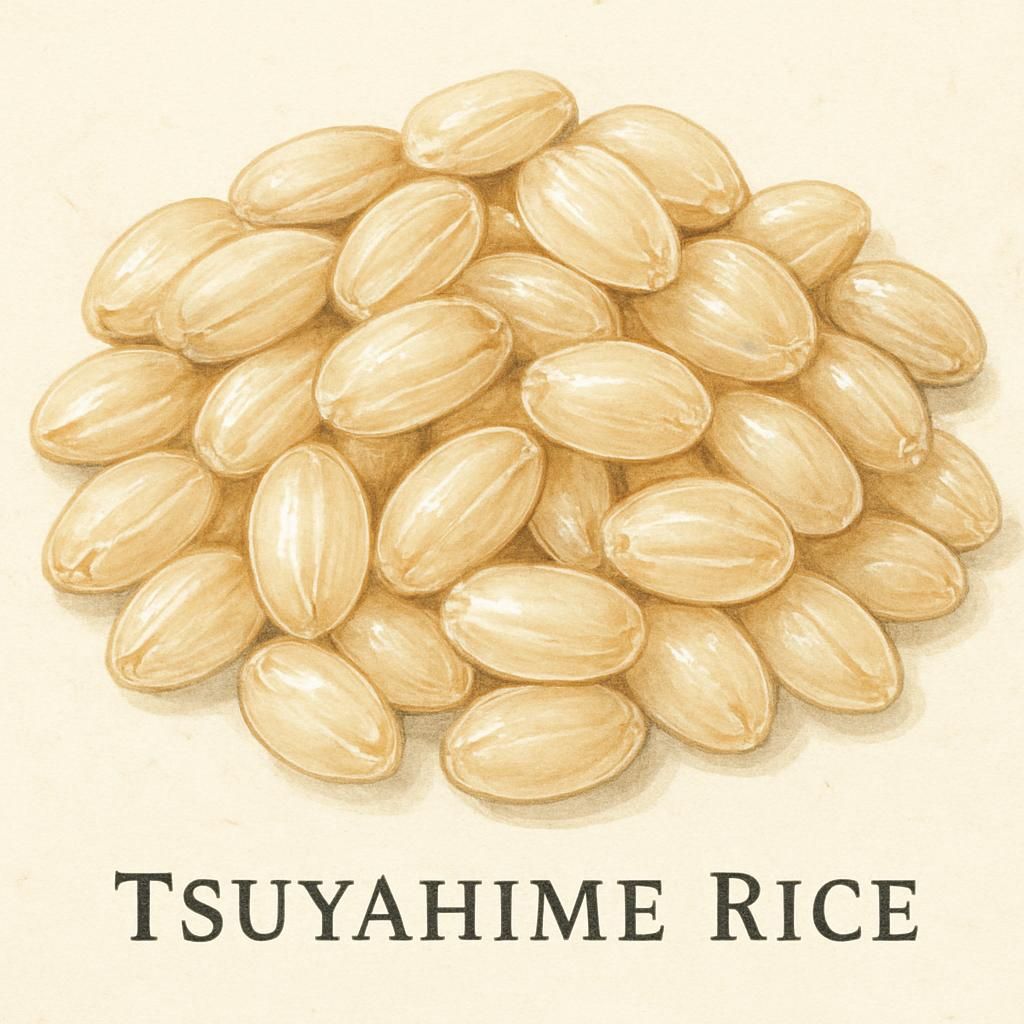
Introduction to Tsuyahime Rice
Tsuyahime Rice, a high-quality rice variety, originates from Yamagata Prefecture in Japan. Known for its exquisite flavor and attractive shine, it stands out as one of Japan's premium rice varieties. Its uniqueness lies in the meticulous cultivation methods and stringent harvesting standards that ensure its purity and superior taste, making it a favorite among connoisseurs.
Botanical Profile of Tsuyahime Rice
Tsuyahime Rice belongs to the species Oryza sativa, similar to other Japanese short-grain rice varieties such as Koshihikari Rice. Its grains are characteristically plump and glossy, and it is often praised for its balanced sweetness and umami flavor. Tsuyahime is best in yield and quality in specific geographical conditions that mirror its native environment.
Soil, pH, and Climate Requirements for Tsuyahime Rice
Before cultivating Tsuyahime Rice, it is crucial to understand its soil and climate requirements. The following table lays out the ideal growing conditions:
| Factor | Ideal Condition |
|---|---|
| Soil Type | Loamy, well-draining |
| Soil pH | 5.5 - 6.5 |
| Climate | Temperate with a distinct warm season |
| Rainfall | 1000-1500 mm during growing season |
| Temperature | 20°C - 30°C during the warm months |
Step-by-Step Planting & Propagation
- Seed Selection and Preparation: Start with certified Tsuyahime seeds to ensure the integrity of your crop. Pre-soak the seeds in water for 24 hours before planting to promote successful germination.
- Land Preparation: Ensure fields are well-leveled to allow uniform water distribution. Prepare by plowing and harrowing to create a suitable seedbed.
- Planting: Direct seeding or transplanting methods may be used. For transplanting, seedlings are typically grown in nursery beds for 20-30 days before moving to paddies.
- Water Management: Maintain a controlled water level in the fields, typically starting low and increasing as the plants establish.
Care & Maintenance Regimes for Tsuyahime Rice
Maintaining Tsuyahime Rice requires diligence and careful attention to water, nutrient, and pest management. Here is a basic care regime:
| Task | Schedule |
|---|---|
| Watering | Keep 5-10 cm of standing water until maturity |
| Fertilization | Initial application of nitrogen-rich fertilizer; subsequent top-dressings during tillering stage |
| Pruning | Not typically required but ensure removal of off-type plants |
Pests, Diseases & Organic Management
Tsuyahime Rice is susceptible to various pests and diseases such as Spider Mites and blast. Employ integrated pest management practices using natural predators and rotate crops to minimize pest and disease impact. Organic methods include using neem oil and other natural non-toxic insecticides.
Harvesting, Curing & Optimal Storage
Harvesting is typically done when the grains are at optimum moisture content, around 20-24%. After harvesting, ensure proper curing through air-drying techniques to reduce moisture content to about 14% for storage. Store rice in a cool, dry place with low humidity to prevent pests and maintain quality.
Companion Planting for Tsuyahime Rice
Companion planting can enhance soil health and reduce pests naturally. Consider intercropping with legumes or adding Nasturtium to the periphery to deter pests naturally.
For further insights on enhancing rice cultivation resilience, explore our post on The Truth About Weather Patterns and Small Farm Resilience.