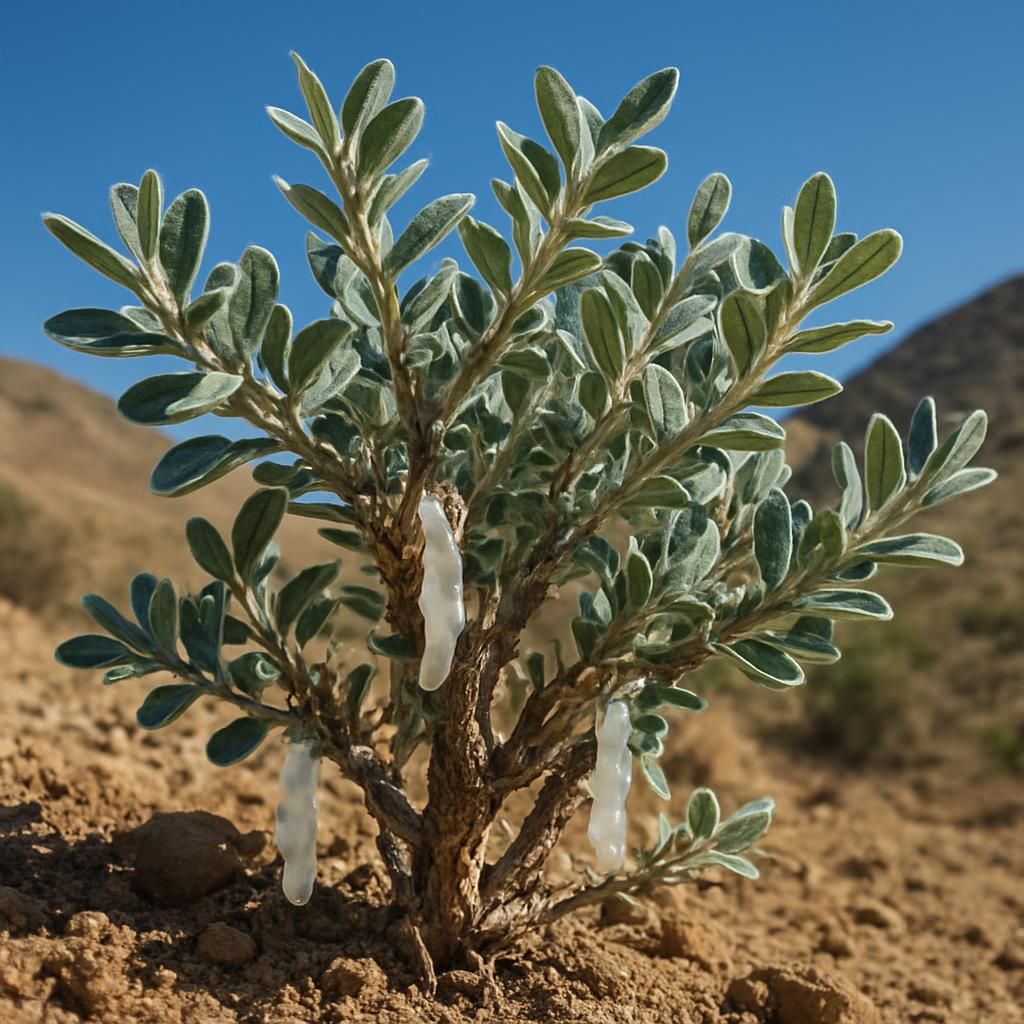
Introduction to Tragacanth Gum
Tragacanth Gum is a premium natural hydrocolloid extracted from several Astragalus species, most notably Astragalus gummifer. The dried gum has been prized for centuries in food, pharmaceutical, and textile industries for its exceptional emulsifying, thickening, and stabilizing properties. Commercial cultivation remains concentrated in arid and semi-arid regions of Iran, Turkey, and parts of Central Asia, where the plant’s drought tolerance and longevity deliver consistent returns.
Modern growers are rediscovering Tragacanth Gum as a resilient cash crop suitable for marginal lands. Its deep taproot system allows the shrub to access subsoil moisture, while the gum exudate commands high market prices when properly harvested and cured. This guide provides professional-grade, field-tested recommendations for establishing and maintaining productive stands.
Botanical Profile of Tragacanth Gum
Astragalus gummifer belongs to the Fabaceae family. It is a low-growing, thorny, deciduous shrub reaching 30–60 cm in height with a spreading habit. The plant develops a robust woody rootstock and numerous slender branches covered in fine, silvery pubescence. Small, pinnate leaves appear in spring, followed by pale yellow to white papilionaceous flowers. After pollination, short, curved pods form containing 3–8 seeds.
The gum is produced naturally as a defense response when the plant is wounded. Tapping stimulates the production of a milky latex that hardens into translucent ribbons or flakes upon exposure to air. Older plants (5–15 years) yield the highest-quality gum. The shrub is exceptionally long-lived, often remaining productive for 20–30 years under favorable conditions.
Soil, pH, and Climate Requirements for Tragacanth Gum
Tragacanth Gum thrives in well-drained, low-fertility soils typical of steppe and mountain environments. Heavy clays and waterlogged sites must be avoided. The following table summarizes ideal growing conditions:
| Parameter | Ideal Range | Notes |
|---|---|---|
| Soil Type | Sandy loam to gravelly loam | Excellent drainage critical |
| Soil pH | 7.0 – 8.5 | Tolerates mild alkalinity |
| Organic Matter | 1–3 % | Low fertility preferred |
| Annual Rainfall | 150–350 mm | Supplemental irrigation only in establishment |
| Temperature Range | −15 °C to 38 °C | Frost hardy once established |
| Elevation | 800–2500 m | Prefers cool nights |
| Sun Exposure | Full sun | Minimum 6 hours direct light |
Step-by-Step Planting & Propagation
- Site Selection: Choose south-facing slopes with full sun and protection from cold winds. Conduct soil tests to confirm pH and drainage.
- Seed Preparation: Scarify seeds by soaking in concentrated sulfuric acid for 20–30 minutes or mechanical abrasion, then rinse thoroughly.
- Sowing Window: Direct sow in early spring when soil temperature reaches 10–12 °C. In frost-prone areas, start seedlings in deep cells 8–10 weeks before last frost.
- Spacing: Transplant or thin seedlings to 1.5–2 m between rows and 1–1.5 m within rows to accommodate mature canopy spread.
- Depth: Sow seeds 1–2 cm deep. Maintain consistent moisture until germination (14–28 days).
- Establishment Irrigation: Provide light, frequent watering for the first two seasons; thereafter, reduce to support deep rooting.
Care & Maintenance regimes for Tragacanth Gum
Mature plants require minimal intervention. Focus on weed suppression and occasional soil amendments based on leaf tissue analysis.
| Practice | Schedule | Details |
|---|---|---|
| Watering | Year 1: weekly; Years 2+: none | Deep soak only during prolonged drought |
| Fertilizer | Every 3–4 years | Apply 20–30 kg/ha aged compost or low-N organic blend in early spring |
| Pruning | Late winter (dormant) | Remove dead wood; light shaping to maintain airflow |
| Mulching | Annual, 5–8 cm layer | Gravel or coarse bark to suppress weeds and conserve moisture |
Pests, Diseases & Organic Management
Tragacanth Gum is relatively pest-resistant due to its arid habitat and thorny architecture. Occasional infestations of Aphids and Spider Mites may occur during hot, dry spells. Monitor leaf undersides weekly. Use insecticidal soap or neem oil at the first sign of infestation.
Root and crown rots can develop in poorly drained soils. Ensure strict drainage and avoid over-irrigation. Fusarium wilt has been reported in over-watered stands; rotate with non-host species such as Saffron Crocus every 8–10 years. Hand-weeding and shallow cultivation keep weed pressure low without disturbing the shallow feeder roots.
Harvesting, Curing & Optimal Storage
Commercial tapping begins in the fifth or sixth year. In late spring, make shallow longitudinal incisions on the lower stems using a sterilized knife. Collect hardened gum ribbons after 7–14 days. Repeat every 10–14 days during the active growing season, limiting cuts to 3–4 per plant annually to avoid stress.
Curing: Spread fresh gum in thin layers on clean trays in a shaded, well-ventilated area for 5–7 days until moisture content drops below 12 %. Grade by color and purity—premium white ribbons command the highest prices.
Storage: Pack graded gum in food-grade, moisture-proof containers with silica gel packets. Store at 10–15 °C and <60 % relative humidity. Properly cured and stored gum retains functionality for 3–5 years.
Companion Planting for Tragacanth Gum
Because Tragacanth Gum fixes atmospheric nitrogen, it pairs well with heavy feeders. Recommended companions include Saffron Crocus for early-season ground cover and Thyme or Rosemary as aromatic insect deterrents. Avoid planting near shallow-rooted vegetables that compete for surface moisture. Interplanting with Clover as a living mulch further suppresses weeds and adds organic matter when mown.
Learn more about drought-resilient cropping systems on our blog.