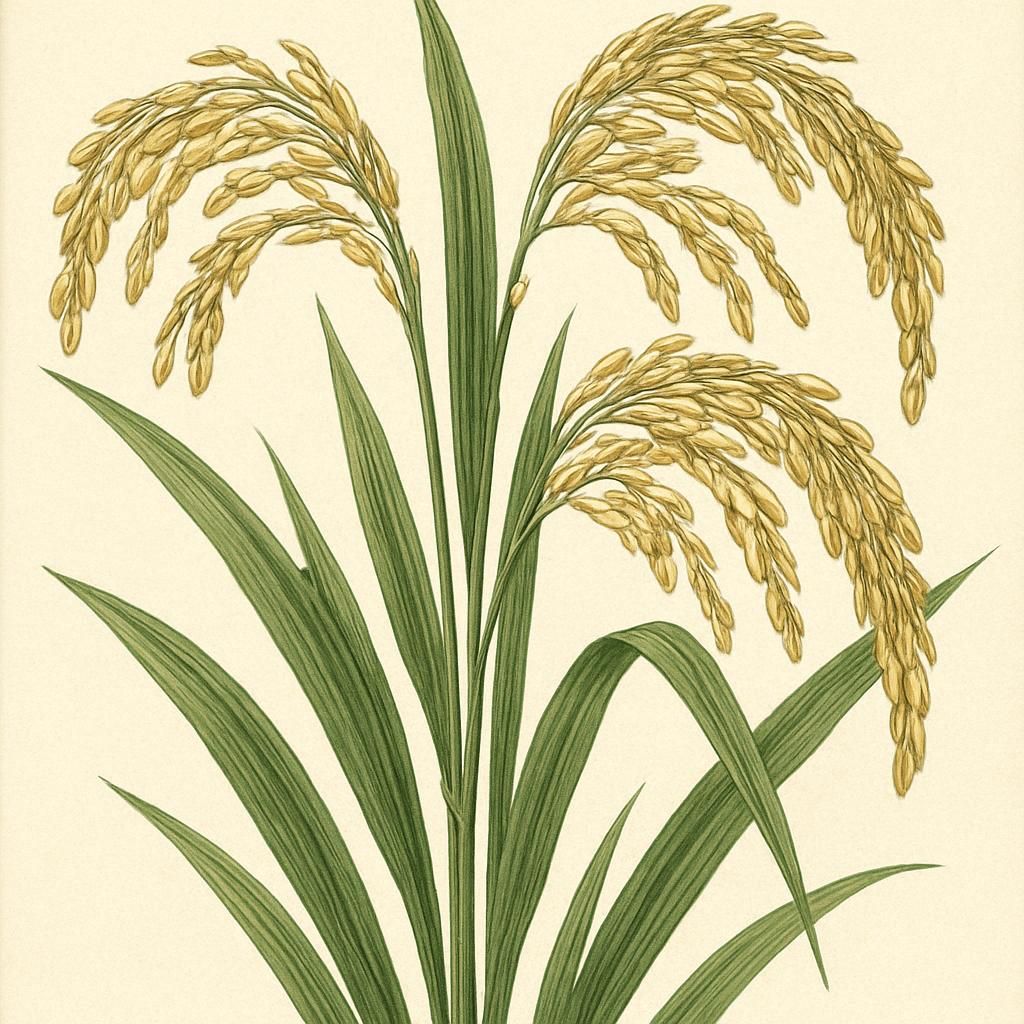
Introduction to Texmati Rice
Texmati rice is a unique hybrid of Basmati and American long-grain rice known for its aromatic qualities and fluffy texture. It has gained popularity in different culinary traditions, offering the best of both aromatic and long-grain rice worlds. This guide provides detailed insights on growing Texmati rice effectively.
Botanical Profile of Texmati Rice
Texmati rice (Oryza sativa 'Texmati') belongs to the grass family Poaceae. It is primarily cultivated for its grains, which are consumed as a staple in many regions worldwide. This cultivar combines the fragrant aroma of Basmati rice with the texture and adaptability of American long-grain varieties.
Soil, pH, and Climate Requirements for Texmati Rice
Texmati rice requires specific soil and climate conditions for optimal growth. It thrives in warm, tropical climates and requires a well-managed irrigation system. Preferred soil types include rich, loamy soils that are well-drained, with moderate fertility.
| Requirement | Ideal Condition |
|---|---|
| Soil Type | Loamy, well-drained |
| pH Range | 5.5 - 7.0 |
| Temperature Range | 70 - 95°F (21-35°C) |
| Rainfall | 40-80 inches/year |
Step-by-Step Planting & Propagation
- Site Selection: Choose a site with well-drained loamy soil and access to a water source for irrigation.
- Soil Preparation: Plow the field to level it and enrich the soil with organic matter.
- Seed Selection and Treatment: Use certified seeds with high germination rates; soak seeds overnight to enhance germination.
- Planting: Direct sowing is commonly practiced. Plant the seeds around 1 to 2 inches deep with a spacing of 8 to 10 inches between rows.
- Water Management: Initiate regular flooding post-germination to provide continuous moisture without waterlogging.
Care & Maintenance Regimes for Texmati Rice
Consistent care can lead to high yields. Here is a schedule for optimal growth and maintenance:
| Task | Frequency |
|---|---|
| Watering | Maintain 1-2 inches of water in field until grain matures. |
| Fertilization | Apply NPK 10-30-10 at planting, sidedress with urea at mid-season |
| Weeding | Bi-monthly |
Pests, Diseases & Organic Management
Texmati rice can be susceptible to pests like Spider Mites and leafhoppers. Employ integrated pest management strategies:
- Cultural Controls: Rotate crops annually to prevent pest build-up.
- Mechanical Controls: Use nets or traps to ward off insects.
- Biological Controls: Employ natural predators and beneficial insects.
- Organic Treatments: Utilize neem oil and other botanical insecticides.
Diseases such as blast and brown spot can also affect Texmati rice. Preventive measures include maintaining proper nutrient levels and ensuring good air circulation.
Harvesting, Curing & Optimal Storage
Harvest Texmati rice when grains are firm and the fields are 80-90% mature. Use a combine harvester for efficiency.
- Curing: Dry grains to 12-13% moisture content to prevent spoilage.
- Storage: Store in cool, dry conditions in airtight containers to maintain aroma and quality.
Companion Planting for Texmati Rice
Effective companion plants include legumes such as Soybeans and clover, which fix nitrogen and improve soil conditions. Avoid crops that share similar pests and diseases, like wheat.
Read more about companion planting strategies in our blog: Summer Companion Planting: 10 Organic Pairings to Boost Small Farm Resilience.