Introduction to sweetgum
Sweetgum (Liquidambar styraciflua) is a fast-growing hardwood native to the southeastern United States and parts of Mexico and Central America. It is prized in commercial forestry for its straight bole, high-quality lumber, and resin that was historically used in adhesives and fragrances. Landscape architects also value its brilliant autumn coloration and pyramidal form.
Commercial growers plant sweetgum for sawlogs, veneer, and pulp, while smaller operations focus on nursery stock and seed collection. The species tolerates a wide range of soils but demands consistent moisture during establishment. With proper site selection and management, sweetgum can reach 60–100 feet in height and live for 150 years or more.
Botanical Profile of sweetgum
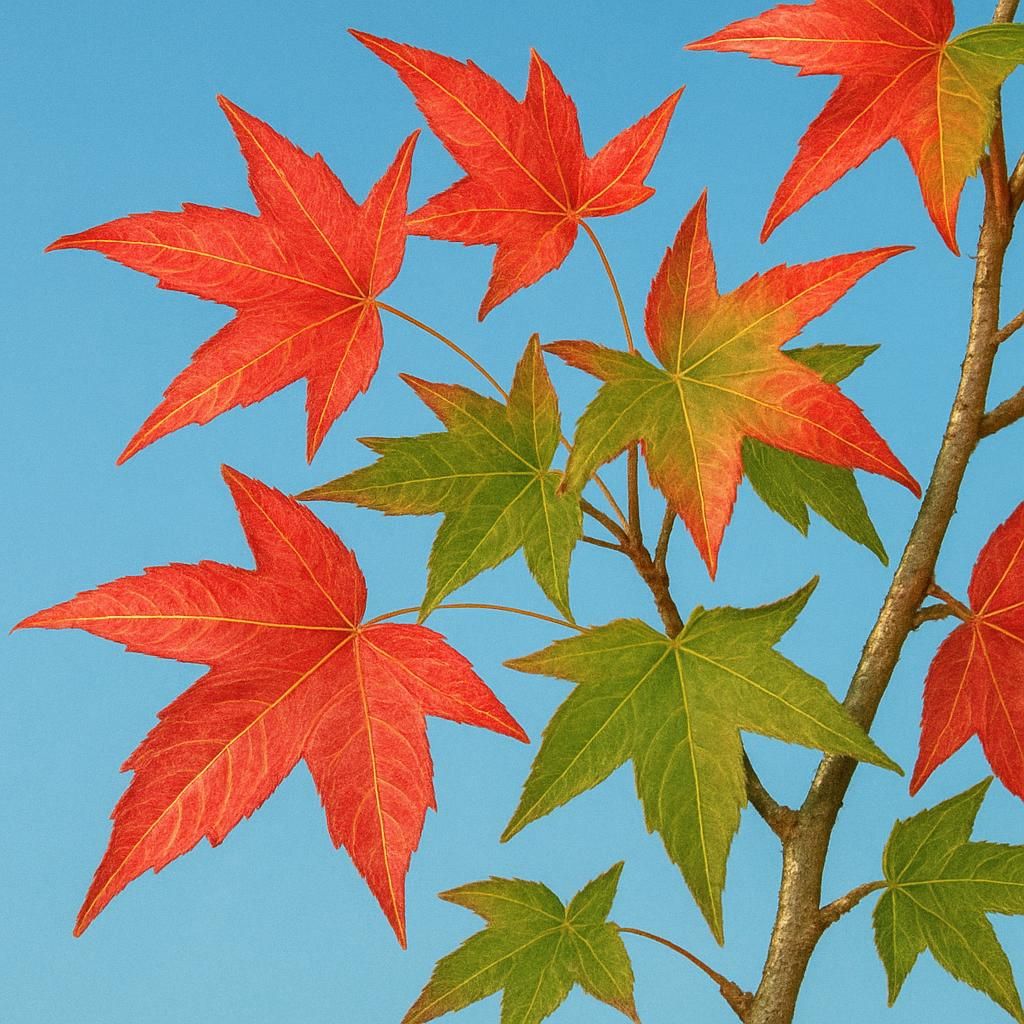
Sweetgum belongs to the Altingiaceae family. Mature trees develop deeply furrowed gray-brown bark and a pyramidal crown that becomes rounded with age. Leaves are alternate, palmately lobed with five to seven pointed lobes, and measure 3–7 inches across. In autumn they turn brilliant shades of red, orange, and purple before abscising.
The species is monoecious, producing small greenish male and female flowers in spring. Female flowers develop into spiny, globose fruiting heads 1–1.5 inches in diameter that contain numerous winged seeds. Sweetgum wood is moderately heavy, straight-grained, and finishes well, making it suitable for furniture, flooring, and millwork.
Soil, pH, and Climate Requirements for sweetgum
Sweetgum grows best on deep, well-drained loams with high organic matter. It tolerates brief flooding but declines under prolonged waterlogging. The tree prefers full sun and performs poorly in deep shade.
| Parameter | Ideal Range | Notes |
|---|---|---|
| Soil Texture | Loam to sandy loam | Avoid heavy clays without amendment |
| Soil pH | 5.5–6.8 | Slightly acidic conditions optimize uptake |
| Annual Rainfall | 40–60 inches | Supplemental irrigation needed below 35 in |
| USDA Hardiness Zones | 5–9 | Protect young trees in zone 5 winters |
| Temperature Range | 20°F–95°F | Heat and drought stress reduce growth |
| Elevation | 0–2,500 ft | Higher elevations shorten growing season |
Step-by-Step Planting & Propagation
- Site Preparation: Clear competing vegetation and rip soil to 18–24 inches. Incorporate 2–3 inches of compost on marginal sites.
- Propagation: Collect mature fruiting heads in late autumn. Air-dry and extract seeds; cold-stratify 60–90 days at 34–40°F before sowing.
- Nursery Production: Sow stratified seeds in well-drained flats at ¼-inch depth. Germination occurs in 2–4 weeks at 70–75°F.
- Field Planting: Use 1- or 2-year-old bare-root or container seedlings. Plant in early spring or late autumn at 10×10 ft spacing for timber or 20×20 ft for seed orchards.
- Initial Watering: Provide 1 inch of water weekly for the first two growing seasons to ensure root establishment.
Care & Maintenance regimes for sweetgum
Young trees require regular weed control and supplemental irrigation. Once established, sweetgum is moderately drought tolerant but benefits from deep watering during prolonged dry spells. Fertilization should be based on soil tests; excess nitrogen promotes weak growth and increases disease susceptibility.
| Task | Frequency | Rate / Method |
|---|---|---|
| Watering | Weekly first 2 years; then as needed | 1 inch/week during establishment; deep soak in drought |
| Fertilizer | Early spring, years 1–3 | 0.5–1 lb N per tree in a 3-ft radius; reduce after canopy closure |
| Pruning | Dormant season, years 2–8 | Remove lower branches to 8–10 ft for clear bole; thin crossing limbs |
| Mulching | Annually, spring | 3–4 inches wood chips in 3-ft diameter ring |
| Weed Control | Monthly during growing season | Mechanical or approved herbicides in row middles |
Pests, Diseases & Organic Management
Sweetgum is relatively pest-resistant once mature. Common issues include Aphids, Spider mites, and Caterpillars on young foliage. Fungal leaf spots and Anthracnose can appear during wet springs. Maintain tree vigor through proper spacing and irrigation timing to reduce disease pressure. Apply horticultural oils or insecticidal soaps for soft-bodied insects; remove and destroy heavily infested leaves. Beneficial insects such as lady beetles and lacewings provide natural control.
Harvesting, Curing & Optimal Storage
Timber harvest typically occurs at 25–40 years depending on site quality and market. Fell trees in late autumn or winter when sap is low. Limb and buck logs on site, then transport to a sawmill within 48 hours to prevent stain. For seed production, collect spiny fruiting heads after leaf drop; air-dry in thin layers until seeds release. Store clean seed at 34–40°F in sealed containers with 6–8% moisture content for up to three years.
Companion Planting for sweetgum
Sweetgum pairs well with nitrogen-fixing understory species such as Clover and Hairy vetch to improve soil fertility in young plantations. Avoid planting beneath shallow-rooted crops that compete for surface moisture. In agroforestry systems, interplant with Black Walnut at wide spacing to diversify income while maintaining light penetration. The tree’s deep roots also stabilize slopes when combined with perennial grasses.