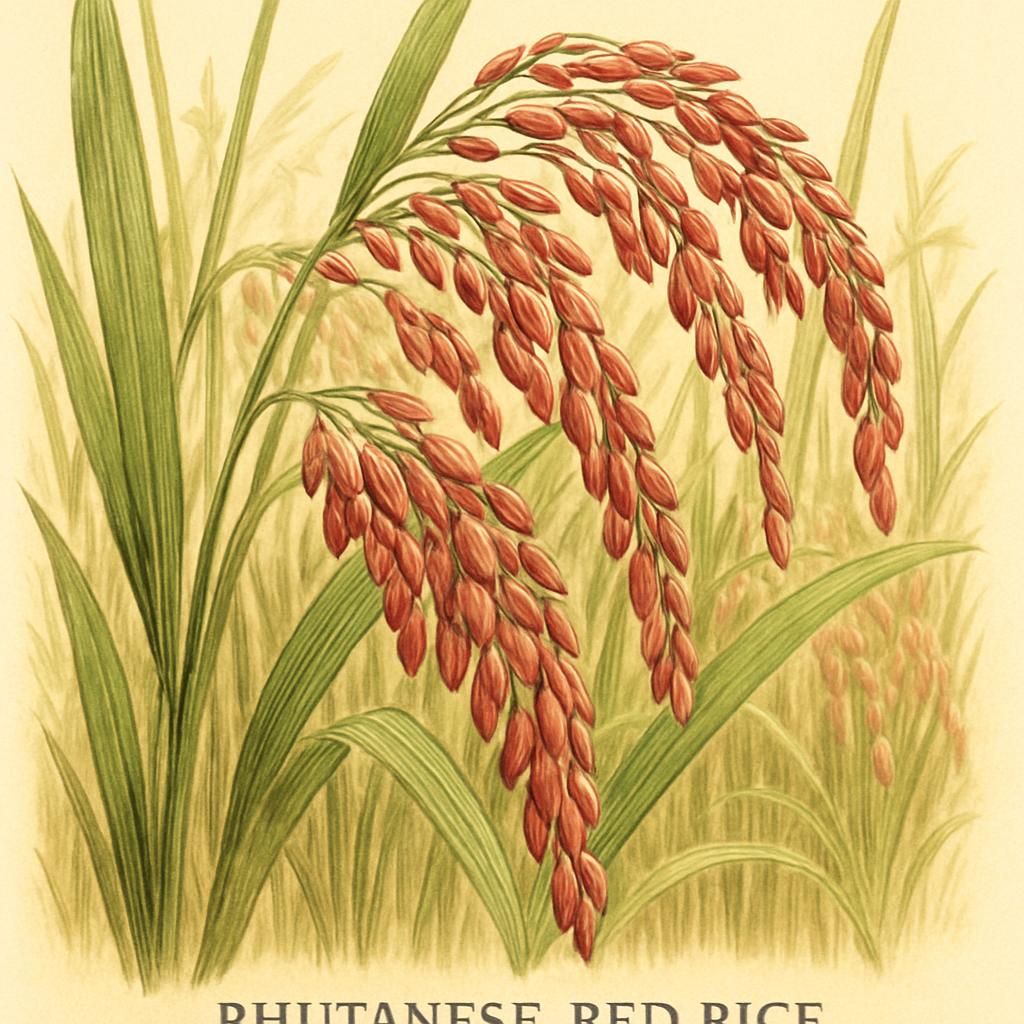
Introduction to Red Rice (Bhutanese Red)
The Bhutanese Red Rice is a revered crop originating from the high valleys of Bhutan. It's celebrated not only for its vibrant hue but also for its rich nutrient profile and unique taste. Known for its slightly sticky texture upon cooking and nutty flavor, this red rice variety has gained significant popularity in health-conscious culinary circles across the globe.
Botanical Profile of Red Rice (Bhutanese Red)
Red rice belongs to the species Oryza sativa, much like other common rice varieties. Its distinctive red color comes from anthocyanin pigments, which are packed with antioxidants. These pigments not only contribute to its visual appeal but also add to its health benefits, making it a preferred choice for those looking to increase their intake of nutrients such as magnesium, fiber, and iron.
Soil, pH, and Climate Requirements for Red Rice (Bhutanese Red)
Red Rice thrives best in environments mimicking its native high-altitude, temperate settings. The ideal growing conditions are vital to ensure robust growth and high yields.
| Requirement | Ideal Condition |
|---|---|
| Soil Type | Well-drained loamy soil |
| pH Level | 6.0 to 6.5 |
| Climate | Temperate, high-altitude regions |
| Temperature | 25°C - 30°C (77°F - 86°F) |
| Rainfall | 1500 - 2000 mm annually |
Step-by-Step Planting & Propagation
- Seed Selection: Choose high-quality seeds from reputable sources to ensure good germination rates and vigor.
- Soil Preparation: Till the soil to a fine tilth. Incorporate organic matter like compost to enhance soil fertility and structure.
- Sowing: Seeds are typically sown in seedbeds before they are transplanted to main fields. Sow seeds at a depth of 2-3 cm, spaced 20 cm apart.
- Transplanting: Transplant seedlings when they reach about 15-20 cm in height. Maintain a spacing of 20 cm between plants and 25 cm between rows.
- Water Management: Maintain a consistent water level in paddies, especially during critical growth stages.
Care & Maintenance Regimes for Red Rice (Bhutanese Red)
Proper care is essential to protect Red Rice from potential stress factors and enhance crop quality.
| Care Aspect | Schedule/Frequency |
|---|---|
| Watering | Keep fields flooded; drain for a week before harvest |
| Fertilizing | Apply nitrogen-rich fertilizers during the tillering stage |
| Pruning | Not applicable as rice does not require pruning |
Pests, Diseases & Organic Management
Red Rice cultivation faces challenges from various pests and diseases. Common pests include mealybugs, [spider mites], and rice bugs. Diseases might include fungal blights and bacterial leaf spots. For organic management:
- Use companion planting with crops like Nasturtium to deter some pests.
- Employ neem oil sprays to manage soft-bodied insects such as mealybugs.
- Maintain field hygiene to curb disease spread.
Harvesting, Curing & Optimal Storage
- Harvesting: Harvest when the grains reach full maturity, usually indicated by a golden-brown color.
- Curing: Sun-dry the harvested rice for two to three days to reduce moisture content, enhancing long-term storage.
- Storage: Store in cool, dry conditions, ideally in airtight containers to protect from pests and moisture.
Companion Planting for Red Rice (Bhutanese Red)
Companion planting can enhance growth and provide natural pest control. Effective companions include:
- Nasturtium: Attracts beneficial insects and repels pests.
- Soybeans: Improves soil nitrogen levels.
For more in-depth strategies on enhancing yield through companion planting, consider reading Summer Companion Planting: 10 Organic Pairings to Boost Small Farm Resilience.
For additional resources on rice cultivation, refer to the Rice page.