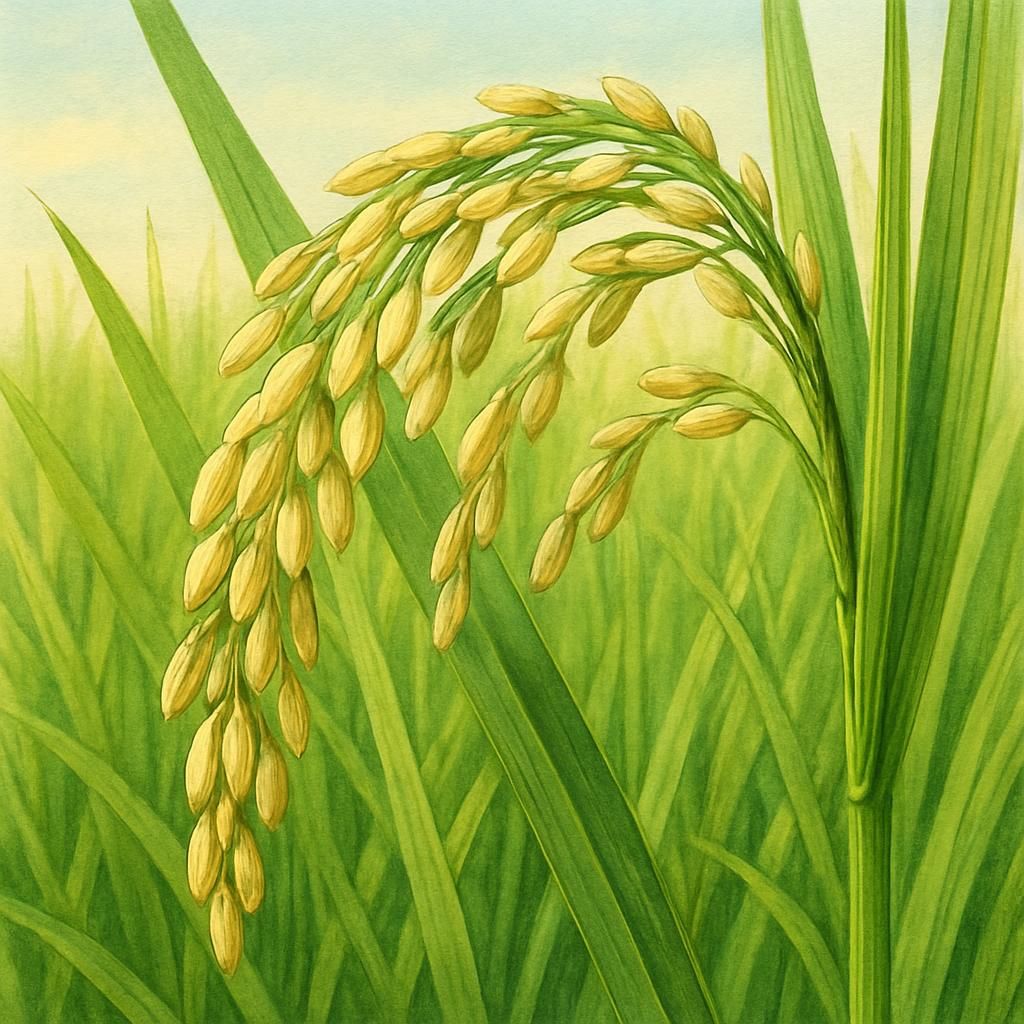
Introduction to Osmancik Rice
Osmancik Rice stands out among other varieties for its medium-grain size and high yield potential, making it a staple in Turkish agriculture. Known for its adaptability and rapid growth, Osmancik Rice is an excellent choice for farmers and agricultural enthusiasts alike.
Botanical Profile of Osmancik Rice
Osmancik Rice, scientifically known as Oryza sativa, falls under the Poaceae family. This herbaceous annual species reaches a height of approximately 1-1.2 meters. The grains are medium-sized, with the plant thriving under subtropical climatic conditions.
Soil, pH, and Climate Requirements for Osmancik Rice
Osmancik Rice requires specific soil and climate conditions to flourish. It thrives in well-drained, fertile soils with a neutral to slightly acidic pH. Here is a table outlining the ideal growing conditions:
| Condition | Ideal Range |
|---|---|
| Soil Type | Loamy, well-drained |
| pH Level | 5.5 - 7.5 |
| Temperature | 24°C - 30°C |
| Rainfall (annual) | 1000mm - 1500mm |
Step-by-Step Planting & Propagation
Land Preparation: Start by tilling the land deeply and ensuring it is well-leveled for uniform water distribution. Add organic matter to improve soil fertility.
Seed Selection and Treatment: Choose certified Osmancik seeds. Soak the seeds in water for 24 hours and dry them under shade to encourage germination.
Sowing: Sow seeds directly or use the nursery method where seedlings are later transplanted. Plant spacing should be approximately 20x20 cm for optimal growth.
Irrigation: Ensure fields are flooded with 5-10 cm of water shortly after planting.
Weed Management: Hand weeding or mechanical weeding should occur 2-3 times during the growing season.
Care & Maintenance Regimes for Osmancik Rice
Osmancik Rice requires a structured care routine that includes water, fertilization, and pest management. Below is a table outlining an exemplary schedule:
| Care Task | Schedule |
|---|---|
| Watering | Maintain 5-10 cm standing water |
| Fertilization | N-P-K ratio of 60:40:40, applied in three split doses at sowing, tillering, and panicle initiation |
| Pruning/Thinning | Not applicable; ensure proper spacing |
Read more on effective pest management strategies in our Crop Diseases Under the Microscope: 9 Organic Fixes for Small Farm Resilience.
Pests, Diseases & Organic Management
Some common pests include Spider Mites and Caterpillars. Diseases affecting Osmancik Rice are primarily fungal and bacterial, such as Rice Blast and Brown Spot. Organic management options include:
- Implementing crop rotation and scheduled irrigation.
- Using organic pesticides, such as neem oil.
Harvesting, Curing & Optimal Storage
Harvesting should commence when grains show a straw color and moisture content of around 20%. Cut the rice plants manually or mechanically, then thresh to remove grains. Properly dry the grains to below 14% moisture for safe storage. Store in a cool, dry place to prevent infections.
Companion Planting for Osmancik Rice
Implement companion planting with non-competitive leguminous crops like Soybeans to enhance soil fertility and suppress weeds. This symbiotic relationship will promote healthy Osmancik Rice growth.
Learn about effective companion planting in our Spring Companion Planting: 8 Organic Pairings to Maximize Small Farm Yields.