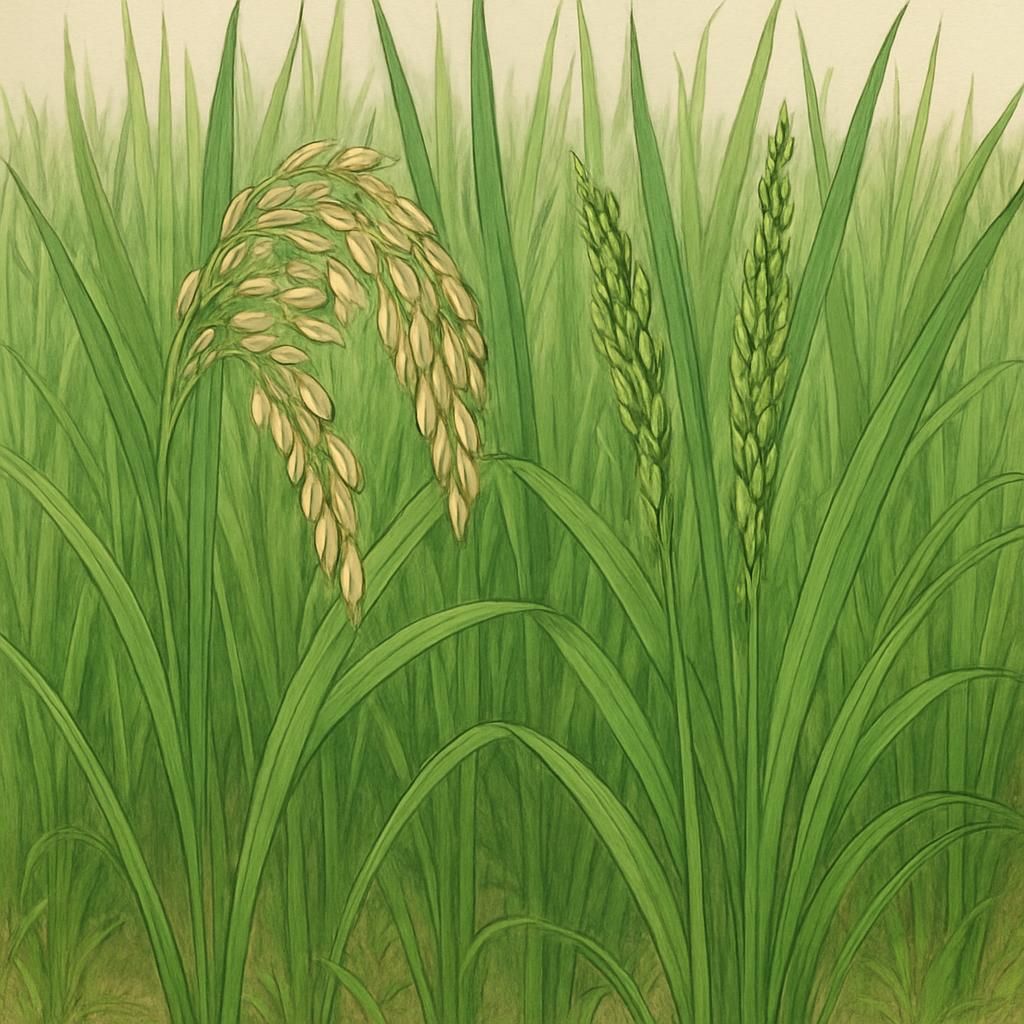
Introduction to Nira Rice
Nira Rice is a variety of Oryza sativa known for its aromatic grains and high yield potential. It has found popularity across Asia due to its fragrant nature and versatility in various culinary applications.
Botanical Profile of Nira Rice
Scientifically classified as Oryza sativa, Nira Rice is a staple in many Asian cuisines. Its grains are long, slender, and exude a distinct aroma when cooked, setting it apart from other rice varieties like Basmati Rice and Jasmine Rice.
Soil, pH, and Climate Requirements for Nira Rice
Growing Nira Rice demands specific conditions to ensure optimal yield. Here is a table outlining its ideal growing conditions:
| Parameter | Ideal Range/Condition |
|---|---|
| Soil Type | Loamy, well-drained |
| Soil pH | 5.5 - 6.5 |
| Temperature | 20°C - 35°C |
| Rainfall | 1000 - 1500 mm/year |
Step-by-Step Planting & Propagation
- Site Selection: Choose a location with full sun exposure and the conditions listed above.
- Soil Preparation: Plow the field multiple times to create a fine tilth, ensuring that the soil is well-drained and loose.
- Sowing: Use certified seeds and sow them in well-prepared plots. The spacing should allow for sufficient air circulation to prevent fungal diseases.
- Transplanting: Seedlings are typically transplanted after 20-30 days, ensuring they are spaced to promote healthy growth.
- Water Management: Flood the fields initially and maintain a 2-3 cm water level to support seedling establishment.
Care & Maintenance regimes for Nira Rice
Maintaining Nira Rice includes regular monitoring for pests and nutrient requirements. Below is a schedule for water, fertilizer, and pruning:
| Task | Schedule/Description |
|---|---|
| Watering | Maintain water levels 24/7; reduce during ripening |
| Fertilization | Apply NPK in three split doses: at sowing, tillering, heading |
| Pruning | Not applicable in rice cultivation |
Pests, Diseases & Organic Management
Nira Rice is susceptible to various pests and diseases, including Leaf spots and Spider Mites. Organic management practices include crop rotation, use of neem oil sprays, and introducing beneficial insects.
Harvesting, Curing & Optimal Storage
Harvest Nira Rice once the grains reach maturity and turn yellow. Dry the harvested rice under the sun to reduce moisture content to about 12% for storage. Store the grains in cool, dry conditions to prevent spoilage.
Companion Planting for Nira Rice
Companion planting options that work well with Nira Rice include legumes, which enhance soil nitrogen. Avoid planting with crops susceptible to similar pests, such as Lychee.
Further Reading
For more on crop resilience, read Summer Companion Planting: 10 Organic Pairings to Boost Small Farm Resilience.