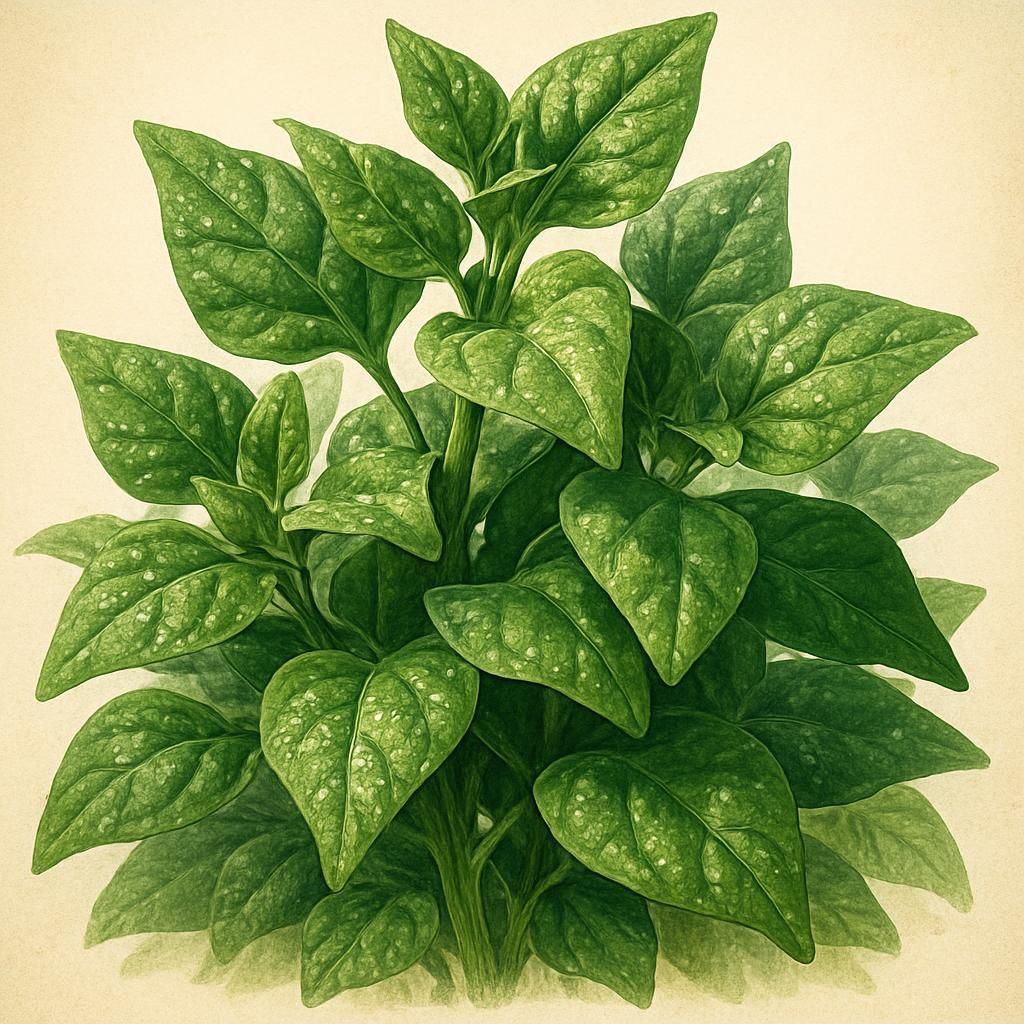
Introduction to New Zealand Spinach
New Zealand Spinach, scientifically known as Tetragonia tetragonoides, is an excellent warm-weather alternative to traditional spinach. Unlike its cold-loving counterpart, New Zealand Spinach thrives in the heat, making it ideal for regions with hot summers. Its succulent leaves are packed with nutrients, offering a spinach-like flavor that is slightly saltier, making it a unique and nutritious addition to salads and cooked dishes.
Botanical Profile of New Zealand Spinach
Botanically, New Zealand Spinach is classified within the Aizoaceae family. It is a sprawling, low-growing plant that can reach up to 60 cm (24 inches) in width. The plant's distinctive triangular leaves are fleshy and thick, helping it conserve moisture during dry spells. It is an annual plant in most climates but can act as a perennial in frost-free regions.
Soil, pH, and Climate Requirements for New Zealand Spinach
To successfully cultivate New Zealand Spinach, it is crucial to understand its soil, pH, and climate needs. Here’s a detailed table outlining the ideal conditions:
| Aspect | Ideal Conditions |
|---|---|
| Soil Type | Well-draining, sandy or loamy |
| Soil pH | 6.0 - 7.0 |
| Temperature | 18°C - 30°C (65°F - 86°F) |
| Sunlight | Full sun to partial shade |
| Humidity | Moderate, tolerates dry conditions |
Step-by-Step Planting & Propagation
- Seed Preparation: New Zealand Spinach seeds can be planted directly outdoors or started indoors 3-4 weeks before the last frost date. To enhance germination, soak seeds overnight before planting.
- Sowing: Plant seeds 1 cm (0.4 inches) deep, spaced 30 cm (12 inches) apart. If starting indoors, use peat pots to minimize transplant shock.
- Transplanting: After the danger of frost has passed and seedlings are a manageable size, transplant them to the garden, maintaining at least 30 cm (12 inches) spacing to allow for the plant's spreading habit.
- Propagation: Apart from seeds, New Zealand Spinach can be propagated through cuttings. Cut a 10-15 cm (4-6 inches) section from a healthy plant, strip the lower leaves, and plant it directly into the soil.
Care & Maintenance Regimes for New Zealand Spinach
Maintaining New Zealand Spinach involves regular monitoring and care to maximize yield. Here's a regimen table for water, fertilizer, and pruning:
| Task | Schedule |
|---|---|
| Watering | Moderate; water deeply once a week |
| Fertilizing | Apply balanced fertilizer every 4-6 weeks |
| Pruning | Regularly harvest leaves to encourage growth |
Pests, Diseases & Organic Management
New Zealand Spinach is relatively pest-resistant, but vigilance is key. Here are common issues:
- Aphids: These can be discouraged with insecticidal soap or neem oil.
- Spider mites: Keep under control by increasing humidity and using a strong water spray.
- Powdery mildew: Ensure proper spacing and air circulation. Apply organic fungicides when necessary. Refer to Crop Diseases Under the Microscope: 9 Organic Fixes for Small Farm Resilience for more detailed organic management strategies.
Harvesting, Curing & Optimal Storage
Harvest New Zealand Spinach by pinching off the top few inches of stems, encouraging bushier growth. Leaves can be used fresh or blanched and frozen. Store fresh leaves in a sealed container in the refrigerator for up to a week.
Companion Planting for New Zealand Spinach
New Zealand Spinach can benefit from companion planting. Pairing it with crops such as Tomato and Lettuce can enhance growth and pest resistance, while also improving garden biodiversity. Further insights on effective pairings can be found in Summer Companion Planting: 10 Organic Pairings to Boost Small Farm Resilience.