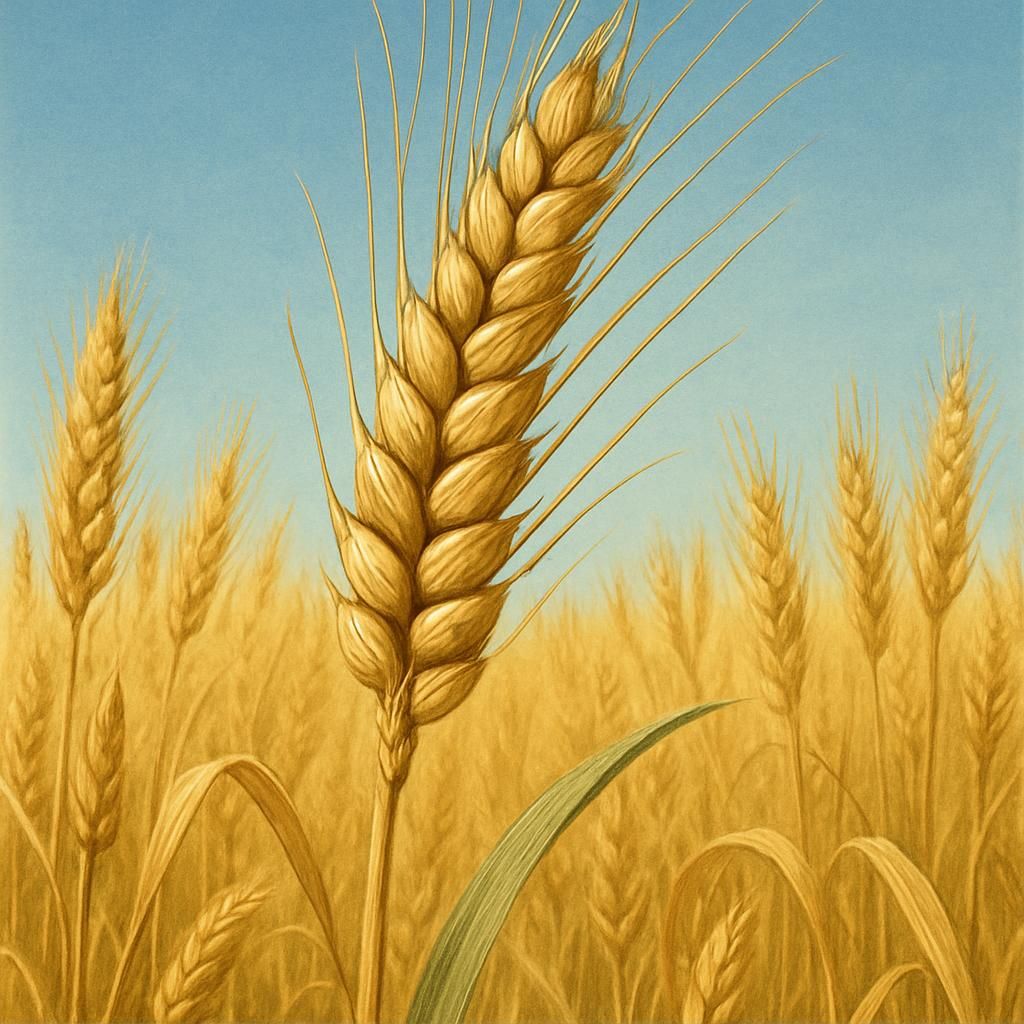
Introduction to Marquis Wheat
Marquis Wheat is a highly esteemed cultivar of Wheat, developed in Canada in the early 20th century. Known for its early ripening and excellent milling quality, Marquis Wheat has played a vital role in the agriculture of North America. Its combination of high yield potential and adaptability to diverse growing conditions makes it a popular choice among wheat farmers.
Botanical Profile of Marquis Wheat
Marquis Wheat, scientifically known as Triticum aestivum, falls under the category of hard red spring wheat. It exhibits robust growth with a height average of 2 to 4 feet. The plant features a slender stalk and a dense head filled with characteristic red-hued kernels, prized for their high gluten content, making them ideal for bread production.
Soil, pH, and Climate Requirements for Marquis Wheat
To achieve optimal yields, Marquis Wheat requires specific soil and climate conditions. It flourishes in regions with cool, temperate climates that offer ample sunlight. The crop is relatively drought-tolerant but benefits from consistent moisture during critical growth stages.
| Parameter | Ideal Conditions |
|---|---|
| Soil Type | Loamy, well-drained |
| pH Level | 6.0 to 6.8 |
| Temperature Range | 60°F to 75°F (15°C to 24°C) |
| Rainfall | 12 to 20 inches annually |
Step-by-Step Planting & Propagation
1. Seed Selection: Choose certified disease-free seeds from a reputable supplier known for high germination rates.
2. Soil Preparation: Perform soil tests to adjust pH levels and ensure adequate fertility. Incorporate organic matter and use a high-quality fertilizer.
3. Planting: Sow seeds at a depth of 1 to 1.5 inches, spaced about 7 to 9 inches apart. This should be done in early spring as soon as the soil is workable.
4. Germination: Ensure consistent moisture levels until seedlings emerge, usually within 7 to 10 days after planting.
Care & Maintenance Regimes for Marquis Wheat
| Task | Frequency | Details |
|---|---|---|
| Watering | Weekly (if no rainfall) | Keep soil moist but not soggy |
| Fertilizing | At planting and tillering | Use balanced NPK fertilizer |
| Weeding | As needed during growth | Avoid competition for nutrients |
| Pruning | Not required for wheat |
Pests, Diseases & Organic Management
Marquis Wheat may face challenges from Hessian fly, Cereal leaf beetle, and diseases such as Stripe Rust and Leaf Rust. Integrated pest management strategies including crop rotation, biological control agents like ladybugs for aphids, and organic fungicides are advisable. For more on handling these issues, consider exploring strategies in "Crop Diseases Under the Microscope: 9 Organic Fixes for Small Farm Resilience".
Harvesting, Curing & Optimal Storage
1. Harvesting: Marquis Wheat is typically ready for harvest in late summer. Ensure kernels are firm and dry, with a moisture content of around 14%.
2. Curing: After harvesting, let the wheat field-dry to reduce moisture content further to about 12% before storage.
3. Storage: Store in a cool, dry place to prevent spoilage. Use airtight containers or silos to protect from pests such as rodents and Storage Beetles.
Companion Planting for Marquis Wheat
Companion planting can boost soil fertility and pest resistance. Suitable companions include Clover, which fixes nitrogen in the soil, and Yarrow, which attracts beneficial insects. For more innovative companion planting techniques, read "Spring Companion Planting: 8 Organic Pairings to Maximize Small Farm Yields".