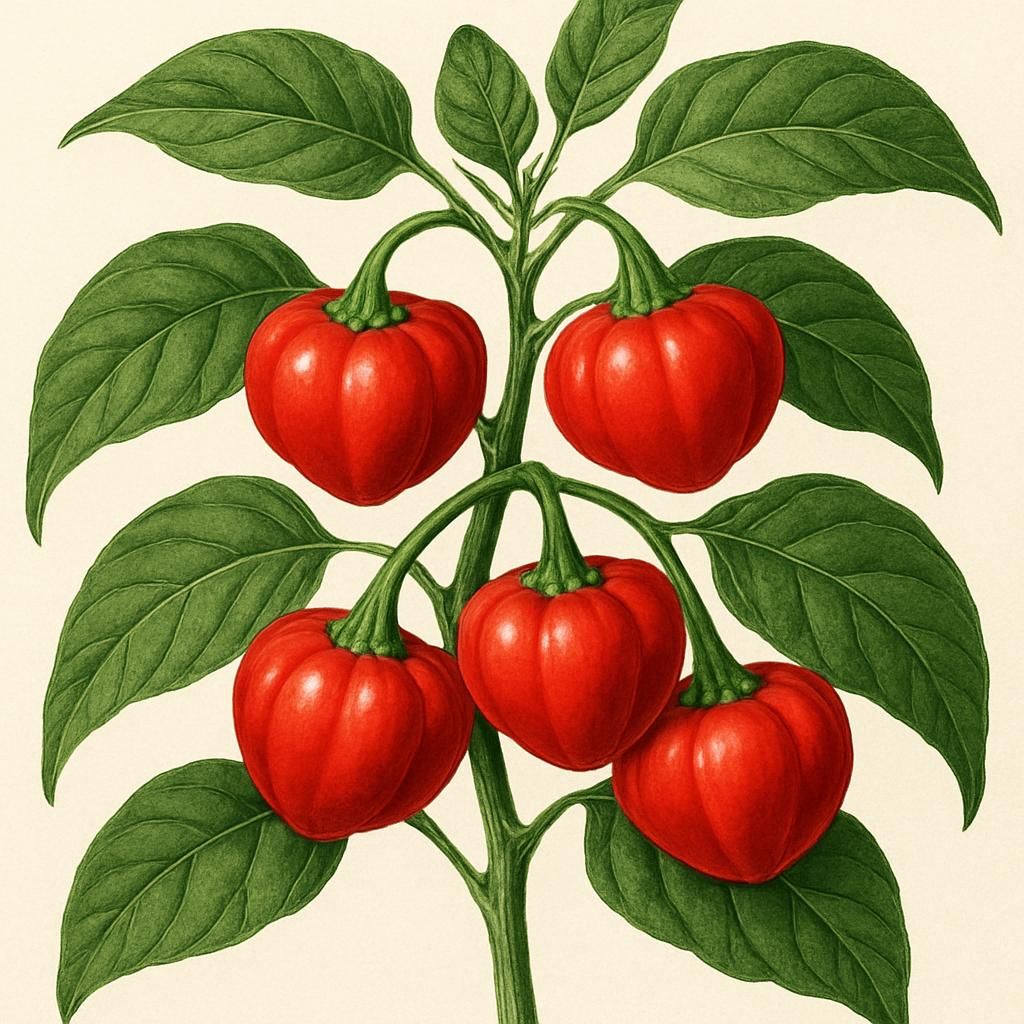
Introduction to Malawi Peppadew
The Malawi Peppadew is a unique type of pepper that's cherished for its vibrant red color, slightly sweet flavor, and mild heat. Originating from Africa, it has become a popular choice for garnishing, pickling, and adding a dash of color and flavor to various dishes.
Botanical Profile of Malawi Peppadew
Belonging to the Capsicum baccatum species, Malawi Peppadew is distinctive for its small, round shape and bright red color. It's a perennial plant in tropical climates, but often grown as an annual in temperate regions.
Soil, pH, and Climate Requirements for Malawi Peppadew
Cultivating Malawi Peppadew requires specific conditions to ensure healthy growth and optimal yield. The plant thrives in well-drained, sandy loam soil enriched with organic matter.
| Parameter | Ideal Range |
|---|---|
| Soil pH | 5.5 - 6.8 |
| Temperature | 18°C - 30°C |
| Rainfall | 600 - 800 mm per year |
| Sunlight | Full Sun |
Step-by-Step Planting & Propagation
- Seedlings Preparation: Start seeds indoors 6-8 weeks before the last frost date. Use seed trays and a light potting mix.
- Transplanting: Transplant the seedlings outdoors once the soil has warmed sufficiently. Space plants 30-45 cm apart in rows 60-90 cm apart.
- Soil Preparation: Ensure the soil is well-drained and amend with compost to improve fertility and moisture retention.
- Watering: Water moderately; overwatering can lead to root rot, while underwatering will stress the plant.
Care & Maintenance Regimes for Malawi Peppadew
Proper care ensures vigorous plant growth and bountiful harvests.
| Task | Frequency |
|---|---|
| Watering | Weekly, adjust during dry spells |
| Fertilizing | Every 6 weeks with balanced NPK |
| Pruning | As needed to remove dead leaves |
Pests, Diseases & Organic Management
Common pests include Spider Mites, aphids, and whiteflies. Implementing integrated pest management (IPM) strategies, such as introducing natural predators like ladybugs and maintaining proper air circulation, can minimize pest issues. Potential diseases may include powdery mildew and root rot; managing these involves ensuring good soil drainage and adequate plant spacing to promote air flow.
Harvesting, Curing & Optimal Storage
Harvest Malawi Peppadew peppers when they are fully red but still firm. Utilize scissors or a sharp knife to prevent damage to the plant. The peppers can be stored fresh for up to a week in a refrigerator, but they are most commonly pickled for long-term preservation.
Companion Planting for Malawi Peppadew
To enhance growth and deter pests, Malawi Peppadew can be planted alongside Tomato, Basil, and Onion. Avoid planting with potatoes or fennel, as they can lead to adverse effects.
For more insights into crop management, visit our detailed Crop Diseases Under the Microscope: 9 Organic Fixes for Small Farm Resilience article.