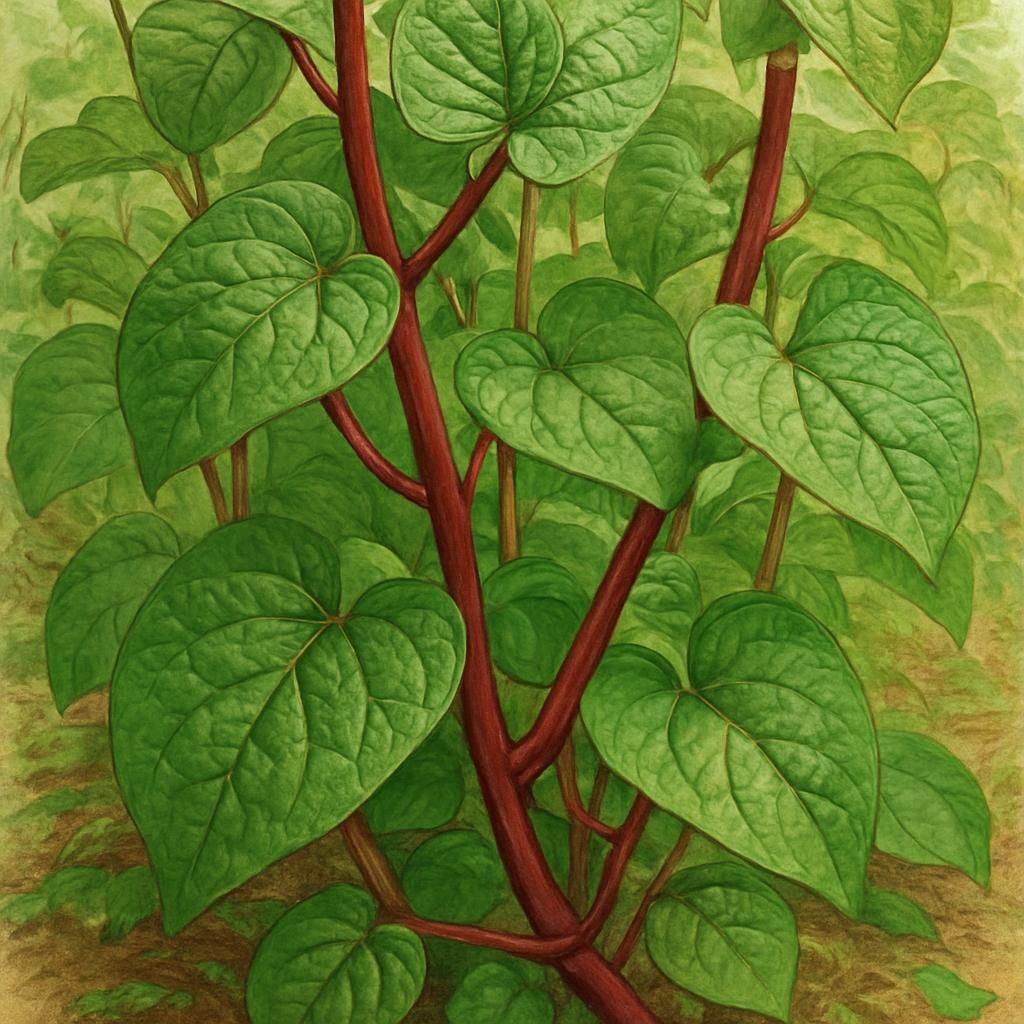
Introduction to Malabar Spinach (Red Stem)
Malabar Spinach, particularly the red stem variety, is not your everyday leafy green. While it resembles traditional spinach in flavor, it belongs to the Basella family—a group revered for its climbing vine characteristics and resilience in tropical and subtropical regions. Popular in Asian and African cuisines, this plant not only thrives in warmth but also offers vibrant aesthetics with its red stems.
Botanical Profile of Malabar Spinach (Red Stem)
Botanical Name: Basella alba 'Rubra' The red stemmed Malabar Spinach is a perennial vine, often grown as an annual in temperate climates. This variant is recognized for its eye-catching red stems and thick, heart-shaped leaves which provide a crunchy texture.
Soil, pH, and Climate Requirements for Malabar Spinach (Red Stem)
To cultivate Malabar Spinach successfully, understanding its environmental requirements is crucial.
| Aspect | Ideal Condition |
|---|---|
| Soil Type | Loamy, well-drained |
| Soil pH | 6.5 - 7.5 |
| Climate | Warm and humid |
| Temperature | 18°C - 35°C (65°F - 95°F) |
| Sunlight | Full sun to partial shade |
Step-by-Step Planting & Propagation
- Seed Preparation: Malabar Spinach seeds have a hard outer shell. Scarify seeds gently and soak them in water for 24 hours before planting to encourage germination.
- Planting: Sow seeds or plant cuttings after the danger of frost has passed. Space plants about 12 inches apart to allow for proper growth.
- Propagation: Apart from seeds, Malabar Spinach can be easily propagated by stem cuttings. Simply place cuttings in water until roots develop and transplant them into the soil.
- Support: Due to its climbing nature, provide trellises or similar support structures to encourage vertical growth.
Care & Maintenance regimes for Malabar Spinach (Red Stem)
| Care Aspect | Frequency |
|---|---|
| Watering | Moderate; keep soil moist but not waterlogged |
| Fertilizing | Bi-weekly with balanced liquid fertilizer |
| Pruning | Regularly to promote bushier growth and remove dead leaves |
Regular monitoring for environmental stresses and responsive maintenance will ensure a healthy vine.
Pests, Diseases & Organic Management
Malabar Spinach is relatively hardy but can fall prey to several pests and diseases.
- Common Pests: Spider mites, aphids, and whiteflies
- Diseases: Leaf spot diseases and downy mildew
- Organic Management: Employ neem oil for pest control and maintain proper spacing for air circulation to prevent disease spread.
For more in-depth pest management strategies, check out 7 Summer Pest Traps That Sabotage Small Farm Harvests.
Harvesting, Curing & Optimal Storage
Your Malabar Spinach is ready for harvest once it’s mature and has developed a full, lush appearance:
- Harvesting: Snip leaves and young stems regularly to encourage continued growth. Harvest in the morning for the best flavor.
- Curing: Not necessary, as the leaves are best consumed fresh.
- Storage: Store harvested leaves in a refrigerator for up to a week. For longer storage, blanch and freeze them.
Companion Planting for Malabar Spinach (Red Stem)
Utilize the concept of companion planting to boost your spinach yield and health:
- Compatible Companions: Tomato and Eggplant benefit from the pest-repelling properties of Malabar Spinach.
- Benefits: The vine can offer shade to sun-sensitive neighbors and improve soil health with its robust root system.
Explore how to optimize your garden setup with Summer Companion Planting: 10 Organic Pairings to Boost Small Farm Resilience.