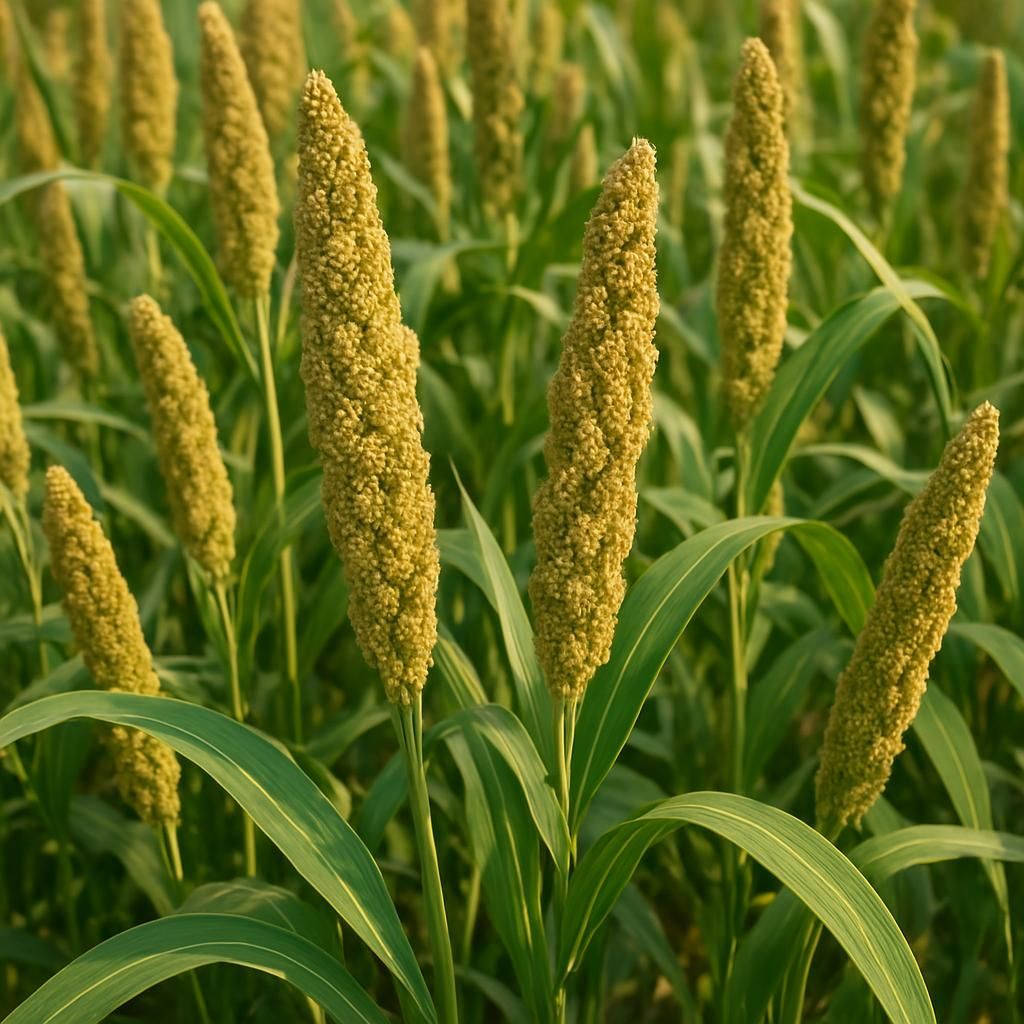
Introduction to Little Millet (Kutki)
Little Millet, scientifically known as Panicum sumatrense, is one of the oldest cultivated grains originating from India. It is prominently grown in the semi-arid regions of India and is undergoing a resurgence thanks to its resilience, nutritional profile, and adaptability to varied climatic conditions. This cereal crop requires minimal inputs, making it ideal for sustainable farming practices.
Botanical Profile of Little Millet (Kutki)
Panicum sumatrense falls under the Poaceae family, and it is a small-grained cereal. Typically, the plant grows about 30 to 100 cm tall, characterized by narrow leaves and seeds that are small and rounded. The seeds are rich in fibers and amino acids, contributing to their growing popularity in health-conscious diets.
Soil, pH, and Climate Requirements for Little Millet (Kutki)
Little Millet is highly adaptable, thriving in varying climates from arid to semi-arid regions. It is drought-resistant, capable of productively yielding with minimal water investment. Here is a concise table to highlight the ideal growing conditions:
| Parameter | Ideal Range |
|---|---|
| Soil Type | Loamy, well-drained |
| Soil pH | 5.5 - 7.5 |
| Temperature | 18°C - 32°C |
| Rainfall | 500 - 700 mm annually |
Step-by-Step Planting & Propagation
- Seed Selection: Choose certified seeds that are disease-resistant and ensure high germination rates.
- Land Preparation: Plow the field to a fine tilth and ensure good drainage. Adding compost or organic manure helps improve soil fertility.
- Sowing: Sow seeds directly or use seed drills, maintaining a spacing of 30-45 cm between rows.
- Season: Sow in Kharif season soon after the onset of monsoon to maximize rainwater utilization.
- Seed Rate: Use 12-15 kg of seed per hectare for optimal results.
- Germination: Provide light irrigation if there is no rainfall to ensure proper seed germination.
Care & Maintenance regimes for Little Millet (Kutki)
Routine care and maintenance ensure robust growth and yield. Here is a schedule for managing Little Millet:
| Task | Schedule |
|---|---|
| Watering | As required during dry periods |
| Fertilization | NPK ratio of 40:20:20 kg/ha at sowing (optional) |
| Weeding | Two hand weedings at 15 and 30 days after sowing |
Pests, Diseases & Organic Management
While Little Millet is resilient, it can still be subject to pests like Spider Mites and diseases. Key strategies include:
- Cultural Control: Rotate crops each season to manage soil health and control pest populations.
- Organic Pesticides: Neem oil and other plant-based insecticides can deter pests effectively.
- Disease Management: Remove and burn infected plants to prevent disease spread.
Harvesting, Curing & Optimal Storage
- Harvesting: Typically ready to harvest after about 100 days. Plants are cut close to the ground.
- Curing: Allow grains to dry in the sun for several days to ensure low moisture levels.
- Storage: Store in cool, dry conditions in airtight containers to extend shelf life.
Companion Planting for Little Millet (Kutki)
Companion planting can optimize yields and offer pest control benefits. Practice pairing with leguminous crops to enhance soil nitrogen levels—ideal pairings include Lentils or Peas. Explore this guide on Summer Companion Planting: 10 Organic Pairings to Boost Small Farm Resilience for more insights.