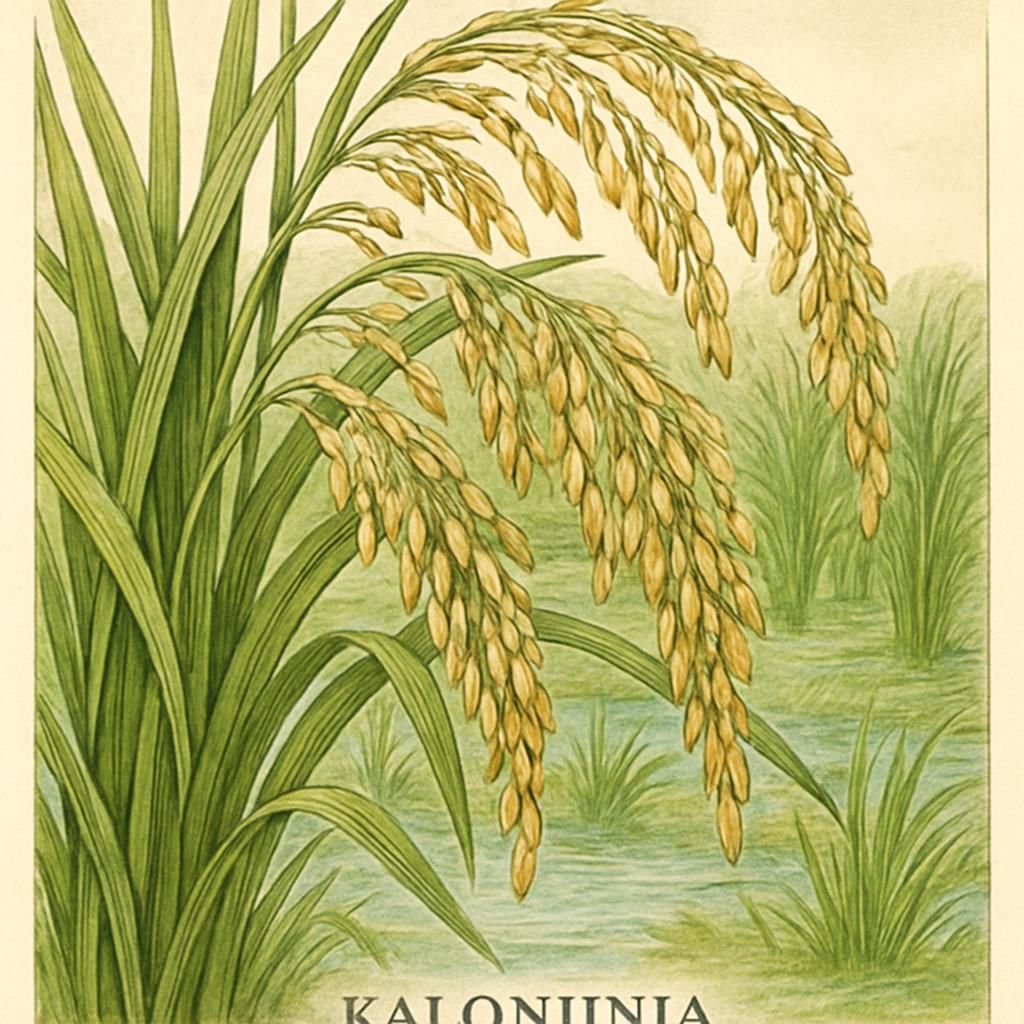
Introduction to Kalonunia Rice
Kalonunia Rice is a traditional aromatic rice variety prized for its unique fragrance and soft, fluffy texture when cooked. Originating from the lush and verdant fields of South Asia, this variety has gained prominence due to its exceptional qualities and adaptability to varying climatic conditions.
Botanical Profile of Kalonunia Rice
Kalonunia Rice, botanically classified as Oryza sativa, belongs to the Poaceae family. It is an annual plant with tall, erect stems bearing lanceolate leaves and flower spikelets that morph into kernels. The aromatic nature of Kalonunia Rice is attributed to its volatile oil profile, reminiscent of Jasmine Rice.
Soil, pH, and Climate Requirements for Kalonunia Rice
Kalonunia Rice favors tropical climates with consistent rainfall or irrigation. It grows best in loamy, clay-rich soils with good drainage and fertile content.
| Factor | Ideal Condition |
|---|---|
| Soil Type | Loamy, clay-rich |
| pH | 5.5 - 7.0 |
| Temperature | 24°C - 30°C |
| Rainfall | 1500-2000 mm/yr |
Step-by-Step Planting & Propagation
- Seed Selection: Choose certified seeds known for their purity and drought resistance.
- Preparation: Plow and level the soil to ensure proper drainage.
- Sowing: Direct sow seeds in rows at a spacing of 20 cm to promote aeration.
- Transplantation: Seedlings can be transplanted after 25 days if a nursery method is preferred.
- Water Management: Employ a flood irrigation method after transplanting for uniform growth.
Care & Maintenance Regimes for Kalonunia Rice
Caring for Kalonunia Rice involves maintaining optimal water levels and fertilization routines for maximum yield.
| Task | Schedule |
|---|---|
| Watering | Regular flooding till grain filling stage (every 7-10 days) |
| Fertilizing | Nitrogen, Phosphorus, and Potassium applications at three key stages: pre-sowing, tillering, and panicle initiation |
| Pruning | Manual removal of weeds during the vegetative phase to reduce competition |
Pests, Diseases & Organic Management
Kalonunia Rice is susceptible to certain pests and diseases, including Spider Mites and leaf blights. Employ organic management practices such as:
- Neem Oil: Effective against many pests like aphids and webworms.
- Companion Planting: Utilizing barrier crops like Lychee can deter pests naturally.
Harvesting, Curing & Optimal Storage
Kalonunia Rice matures within 140-150 days post-sowing. Here's a brief on harvesting:
- Harvesting Time: Commence when grains lose moisture and harden, typically 24-26 weeks post-planting.
- Curing: Dry grains for 2-3 days post-harvest to reduce moisture content to below 14%.
- Storage: Use clean, dry bins and hermetic conditions to preserve grain quality and aromatic properties.
Companion Planting for Kalonunia Rice
Companion planting enhances biodiversity and deters pests. Suitable companions include:
- Mint: Deters Aphids and improves habitat for beneficial insects.
- Marigold: Acts as a trap crop to attract pests away from the rice.
Through strategic selection and maintenance, Kalonunia Rice can thrive as a rewarding crop that offers exceptional aroma and flavor, adding value to both local and international cuisine.
Discover more about cropping strategies and how they impact small farms in The Truth About Weather Patterns and Small Farm Resilience for deeper insights.