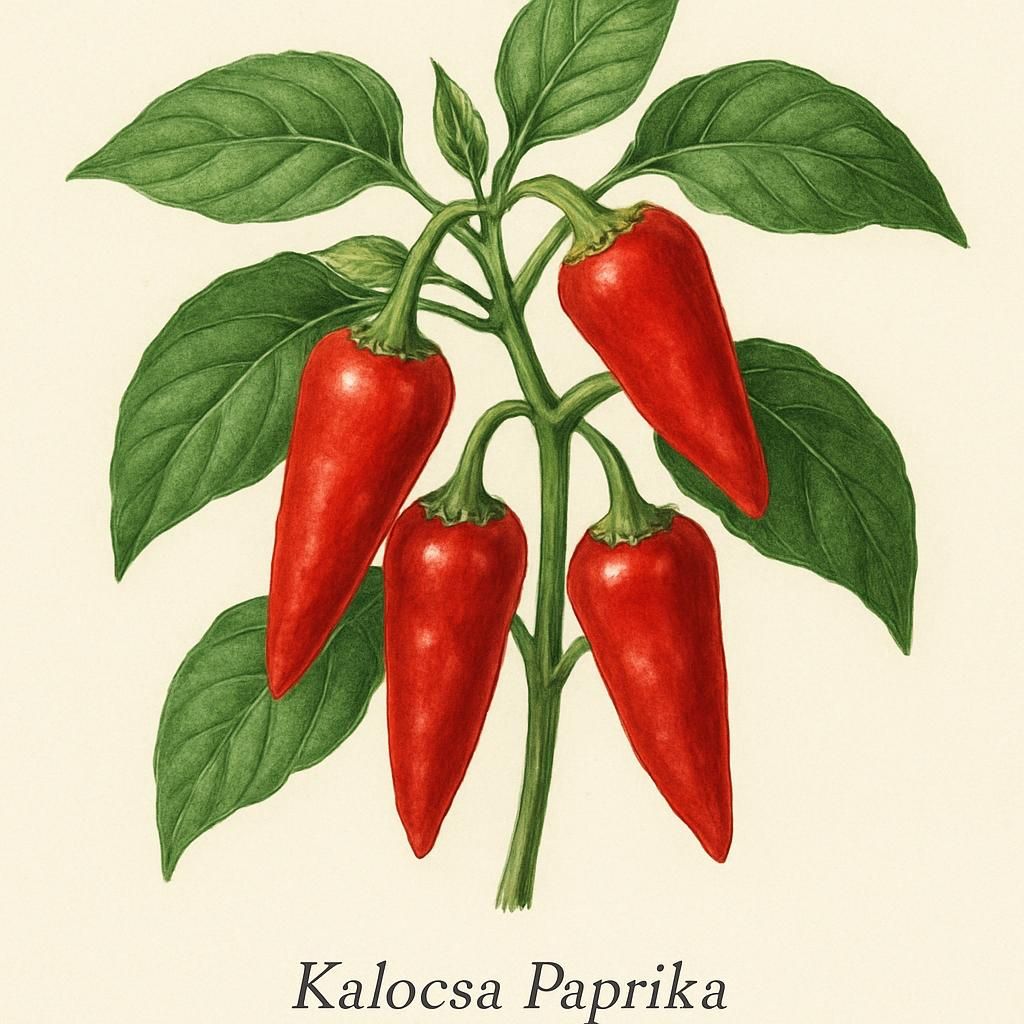
Introduction to Kalocsa Paprika
Kalocsa Paprika, named after its origin town in Hungary, is a type of sweet chili pepper that holds a cherished place in culinary traditions, particularly in Central European cuisines. Known for its vibrant red color and aromatic flavor, this paprika variety is not only used as a spice but is also grown as an ornamental plant due to its striking appearance.
Botanical Profile of Kalocsa Paprika
Kalocsa Paprika belongs to the species Capsicum annuum, which includes many pepper varieties. This species is known for its versatility and adaptive growing conditions. Kalocsa Paprika plants are characterized by their bushy stature and prolific fruiting, with peppers developing from green to a rich red when fully mature.
Soil, pH, and Climate Requirements for Kalocsa Paprika
To thrive, Kalocsa Paprika requires specific environmental conditions that align closely with its native Hungarian habitat:
| Condition | Ideal Range |
|---|---|
| Soil Type | Well-draining loam |
| pH Level | 6.0 - 7.0 |
| Climate | Warm Mediterranean |
| Temperature | 21°C - 27°C (70°F - 80°F) |
| Rainfall | Moderate, drip irrigation preferred |
Step-by-Step Planting & Propagation
- Seed Selection: Choose high-quality seeds from a reputable source.
- Germination: Start seeds indoors 8-10 weeks before the last frost date. Place seeds 1/4 inch deep in seed-starting mix. Maintain a temperature of about 24°C (75°F) using a heat mat if necessary.
- Transplanting: Once seedlings reach 4-6 inches and the risk of frost has passed, transplant them outdoors. Space plants 18-24 inches apart to allow for bushy growth.
- Site Preparation: Prepare the garden bed with nutrient-rich, well-draining soil. Incorporate organic matter or compost to improve structure and nutrient availability.
Care & Maintenance Regimes for Kalocsa Paprika
Proper care is crucial for a fruitful harvest of Kalocsa Paprika:
| Task | Schedule |
|---|---|
| Watering | Twice weekly, more in hotter climates |
| Fertilizing | Biweekly with a balanced organic fertilizer |
| Pruning | Pinch off early flowers to encourage plant growth |
Pests, Diseases & Organic Management
Kalocsa Paprika is susceptible to several pests and diseases, including aphids, spider mites, and fungal infections like Powdery Mildew. Organic management strategies include:
- Companion Planting: Use Basil to repel pests.
- Neem Oil: Apply every two weeks as a preventive measure.
- Beneficial Insects: Encourage ladybugs and lacewings to naturally control pest populations.
- For more detailed organic strategies, see our discussion on Crop Diseases Under the Microscope: 9 Organic Fixes for Small Farm Resilience.
Harvesting, Curing & Optimal Storage
Harvest Kalocsa Paprika when the fruits are fully red and firm:
- Harvesting: Use sharp scissors to cut the peppers from the plant to avoid damage.
- Curing: Dry the peppers by hanging them in a well-ventilated area, or use a food dehydrator for consistent results.
- Storage: Store dried peppers whole or ground in an airtight container in a cool, dark place.
Companion Planting for Kalocsa Paprika
Companion planting can enhance growth and repellent properties against pests:
- Good Companions: Include Basil, marigolds, and Chili Pepper for natural pest control solutions.
- Avoid: Planting near fennel or kohlrabi, which can inhibit growth.
- Effective companion planting can significantly boost yield and plant health. Discover new combinations in Summer Companion Planting: 10 Organic Pairings to Boost Small Farm Resilience.
By following these guidelines, you can successfully grow Kalocsa Paprika, whether for culinary use or decorative purposes, while contributing to sustainable agricultural practices.