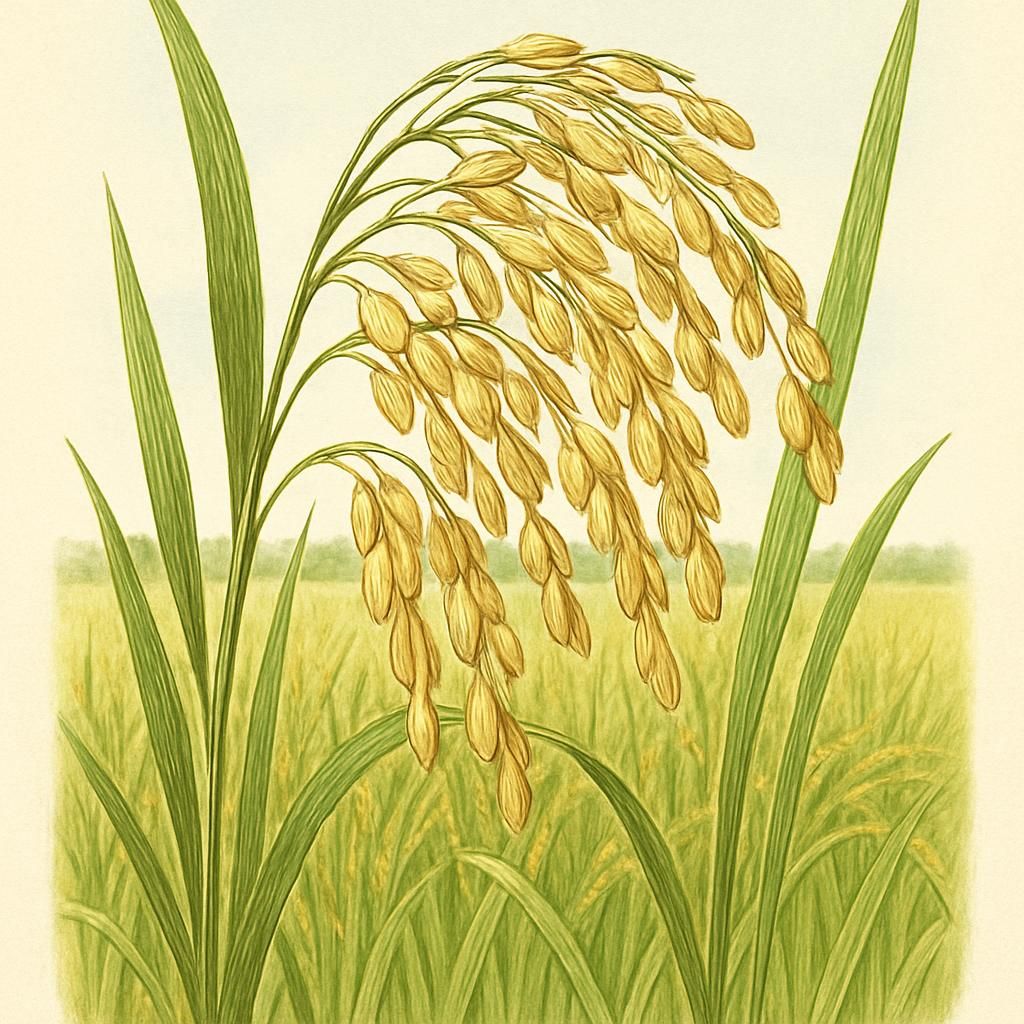
Introduction to Jazzman Rice
Jazzman Rice is a unique aromatic variety developed for growers seeking an alternative to traditional Jasmine rice while maintaining the fragrant qualities that make aromatic rice popular. Cultivated primarily in the southern U.S., Jazzman Rice is designed to thrive in local climates, offering a sustainable and economically viable option for American rice producers.
Botanical Profile of Jazzman Rice
Jazzman Rice (Oryza sativa) is characterized by its long, slender grains and familiar aromatic quality. Its plant structure is typical of other rice varieties with a short growth cycle and high yield potential. The grains are prized not just for their fragrance but also for their slightly sticky texture, ideal for a range of culinary applications.
Soil, pH, and Climate Requirements for Jazzman Rice
| Conditions | Ideal Range |
|---|---|
| Soil Type | Clay loam |
| Soil pH | 5.5 - 7.0 |
| Temperature | 24°C - 30°C |
| Rainfall | 1000-1500 mm/year |
Jazzman Rice grows best in areas with warm temperatures and abundant water, often cultivated in flooded conditions to control weeds and pests. Ensuring the right pH and soil type boosts both growth and yields.
Step-by-Step Planting & Propagation
- Field Preparation: Start by ensuring the field is level to allow uniform water distribution. Test the soil pH and amend as needed to bring it within the 5.5 - 7.0 range. Fertility amendments with organic or synthetic fertilizers should be based on soil tests.
- Sowing: Use high-quality Jazzman Rice seeds planted at a rate of 100-140 kg/hectare. Sowing can be done by broadcasting or using seed drills to achieve even distribution.
- Flooding: Flood the field with a depth of 5-10 cm of water to support germination and weed control. This water level should be maintained throughout the plant's growth stages.
Care & Maintenance Regimes for Jazzman Rice
| Maintenance Task | Frequency | Details |
|---|---|---|
| Watering | Weekly | Maintain 5-10 cm water depth |
| Fertilization | Monthly | Use N-P-K 16-20-0 per recommendations |
| Weeding | Bi-monthly | Hand weeding or aquatic herbicides |
Proper care involves maintaining steady water levels, which can be achieved through irrigation channels or controlled flooding systems. Integrated pest management (IPM) principles should guide all interventions.
Pests, Diseases & Organic Management
Jazzman Rice is susceptible to pests such as Spider Mites and diseases like Leaf Spot Diseases. Organic management involves maintaining biodiversity, using natural predators, and applying biopesticides where applicable. Modern rice paddies also benefit from rotational cropping to reduce disease build-up. For more comprehensive strategies, refer to 7 Summer Pest Traps That Sabotage Small Farm Harvests.
Harvesting, Curing & Optimal Storage
Harvest when the grains reach a golden color, usually between 120-150 days after planting. Cut the stalks with around 30 cm remaining to facilitate threshing. Cure harvested grains for 2-3 days in dry, sheltered environments to prevent spoilage, then store them in sealed, moisture-proof containers to maintain quality over time.
Companion Planting for Jazzman Rice
Companion planting with legumes like Peas can enhance nitrogen fixation, while Marigold plants can deter common pests. Additionally, consider planting rice alongside Mint to discourage rodents. To maximize this, read about effective companion planting combinations in Summer Companion Planting: 10 Organic Pairings to Boost Small Farm Resilience.