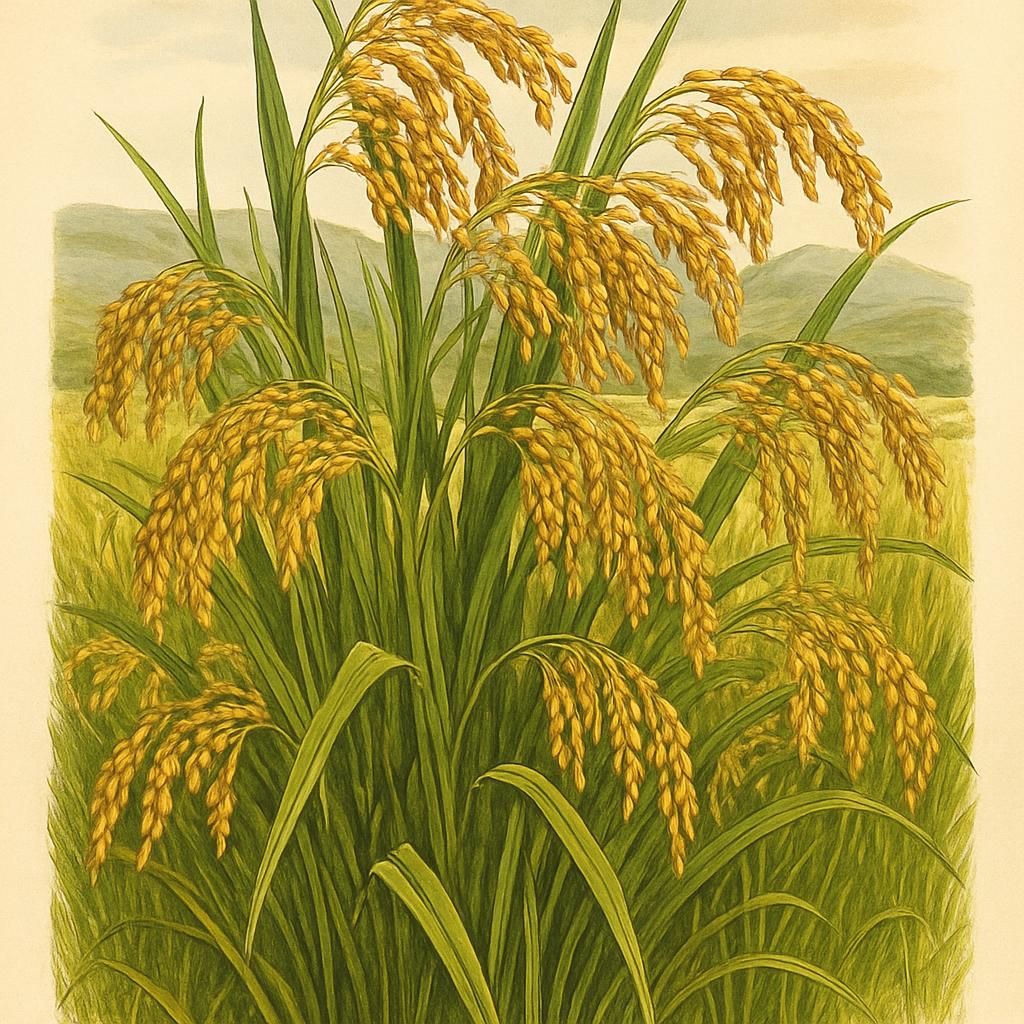
Introduction to Calasparra Rice
Calasparra Rice is a Spanish rice variety that has captured the culinary world due to its exceptional water absorption capabilities and ability to soak up flavors, making it an ideal choice for dishes like paella and risottos. Cultivated in the Murcia region, this rice has been awarded the Denomination of Origin (D.O.) status, ensuring its quality and authenticity.
Botanical Profile of Calasparra Rice
Belonging to the species Rice, Calasparra Rice is a cultivar of Oryza sativa. Known for its short grain and high amylose content, this rice stands out for its ability to expand while maintaining its firmness, offering a unique texture to dishes.
Soil, pH, and Climate Requirements for Calasparra Rice
Calasparra Rice requires specific growing conditions to achieve its full potential. Ideal parameters include a warm climate and well-drained, alluvial soil.
| Parameter | Ideal Condition |
|---|---|
| Soil Type | Well-drained alluvial soil |
| Soil pH | 5.5 - 7.5 |
| Temperature | 20°C - 30°C |
| Annual Rainfall | 600 - 1000 mm |
| Humidity | Moderate |
Step-by-Step Planting & Propagation
- Site Selection: Choose a field with well-drained soil, ideally near a water source.
- Soil Preparation: Plow and level the fields. Ensure the soil pH is between 5.5 and 7.5.
- Seed Selection: Use certified seeds of Calasparra for optimal outcomes.
- Sowing: Direct seeding is common. Broadcast seeds evenly across the field.
- Water Management: Maintain a flooded environment during the seeding period.
Care & Maintenance regimes for Calasparra Rice
Proper care is crucial for Calasparra Rice. Water and nutrient management are key aspects.
| Care Aspect | Details |
|---|---|
| Watering Schedule | Maintain flooding until grains develop. |
| Fertilization | Balanced NPK fertilizer pre-sowing and midway |
| Pruning | Not applicable |
Pests, Diseases & Organic Management
Calasparra Rice is prone to pests like Spider Mites and diseases such as blast and bacterial leaf blight. Implementing organic management techniques like crop rotation and natural predators is advisable. Detailed strategies can be found in Crop Diseases Under the Microscope: 9 Organic Fixes for Small Farm Resilience.
Harvesting, Curing & Optimal Storage
- Harvest Time: Wait until grains are firm but not hard (30-34 days after flowering).
- Curing: Allow rice to dry naturally on plants for 1-2 weeks post-harvest.
- Storage: Store in a cool, dry place to prevent mold and extend shelf life.
Companion Planting for Calasparra Rice
Consider companion planting with legumes like Chickpeas or Soybeans for nitrogen fixation, improving soil fertility and yielding healthier crops.