Introduction to Boxwood Basil
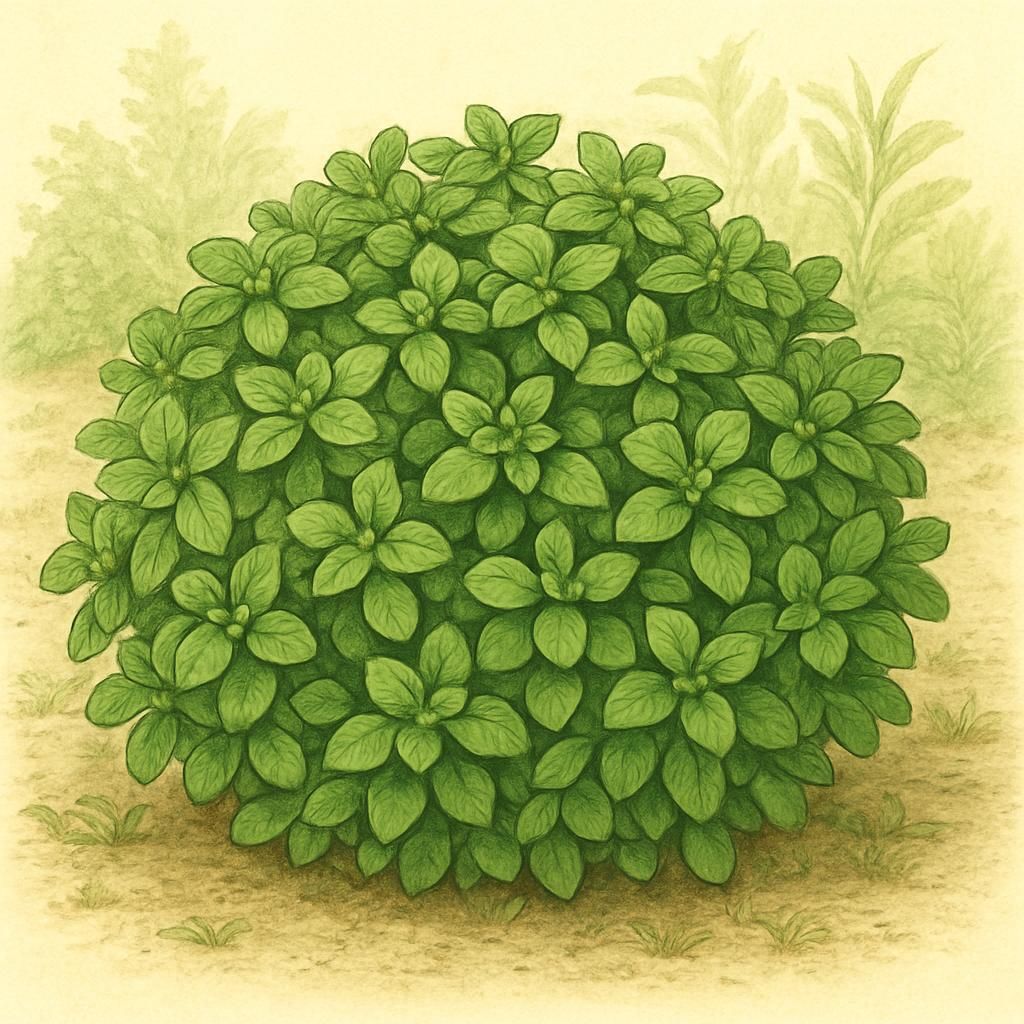
Boxwood Basil, a distinct cultivar of basil, is cherished for its robust, ornamental appeal, and aromatic leaves. Its dense, bushy habit makes it a favorite among gardeners who seek to blend culinary herbs with decorative plants. Despite its compact size, Boxwood Basil offers the classic sweet and peppery basil flavor, making it an excellent addition to both indoor herb gardens and outdoor plots.
Botanical Profile of Boxwood Basil
Boxwood Basil (Ocimum basilicum 'Boxwood') belongs to the Lamiaceae family, which encompasses mint and lavender. This annual herb is renowned for its dense, small-leaved mounds, resembling a boxwood shrub, hence the name. The leaves are typically 1-2 cm long and maintain the traditional basil aroma and taste. In optimal conditions, Boxwood Basil can reach up to 12 inches in height and 12 inches in width, flourishing in sunny locales.
Soil, pH, and Climate Requirements for Boxwood Basil
Boxwood Basil thrives in a range of growing conditions but excels when provided with optimal care. Here's a detailed look at the environmental conditions it prefers:
| Requirement | Ideal Conditions |
|---|---|
| Soil Type | Well-drained, loamy |
| Soil pH | 6.0 to 7.5 |
| Temperature | 70°F to 90°F (21°C to 32°C) |
| Humidity | Moderate |
| Light | Full Sun (6-8 hours daily) |
Boxwood Basil can withstand mild fluctuations but providing the above conditions will ensure a healthy, prolific plant.
Step-by-Step Planting & Propagation
- Seed Starting: Start seeds indoors 6-8 weeks before the last expected frost date. Use a seed-starting mix and maintain a temperature around 70°F (21°C).
- Germination: Seeds typically germinate within 7-14 days. Ensure consistent moisture but avoid waterlogged conditions.
- Transplanting: Once seedlings have at least two sets of true leaves, harden them off before transplanting outdoors.
- Planting Outdoors: Space plants approximately 8-10 inches apart to allow room for growth. Choose a sunny, sheltered spot in your garden.
- Propagation: In addition to seeds, Boxwood Basil can be propagated through cuttings. Snip a healthy stem, strip the lower leaves, and place it in water until roots develop.
Care & Maintenance Regimes for Boxwood Basil
Proper care is essential for maintaining the dense, ornate appearance of Boxwood Basil. Here’s an easy-to-follow schedule:
| Task | Description |
|---|---|
| Watering | 1-2 times a week, keeping soil consistently moist but not soggy. |
| Fertilizing | Monthly with a balanced, water-soluble fertilizer. |
| Pruning | Regularly trim to maintain shape and encourage bushiness. |
Pests, Diseases & Organic Management
Boxwood Basil is generally resilient but can face challenges such as:
- Spider Mites: Use neem oil or insecticidal soap to control.
- Powdery mildew: Ensure good air circulation and apply sulfur-based fungicides if necessary.
For more on organic pest management strategies, you can check the blog post on 7 Summer Pest Traps That Sabotage Small Farm Harvests.
Harvesting, Curing & Optimal Storage
Harvest Boxwood Basil continuously for the best flavor. Pinch leaves from the tips to promote growth. It’s best to harvest in the morning when the essential oils are most concentrated. Store leaves in the refrigerator wrapped in damp paper towels, or dry them for long-term storage.
Companion Planting for Boxwood Basil
Boxwood Basil benefits from companion planting, improving pest control and plant health. Ideal companions include Tomato, Peppers, and Oregano. For tips on effective garden planning, refer to the blog post Summer Companion Planting: 10 Organic Pairings to Boost Small Farm Resilience.