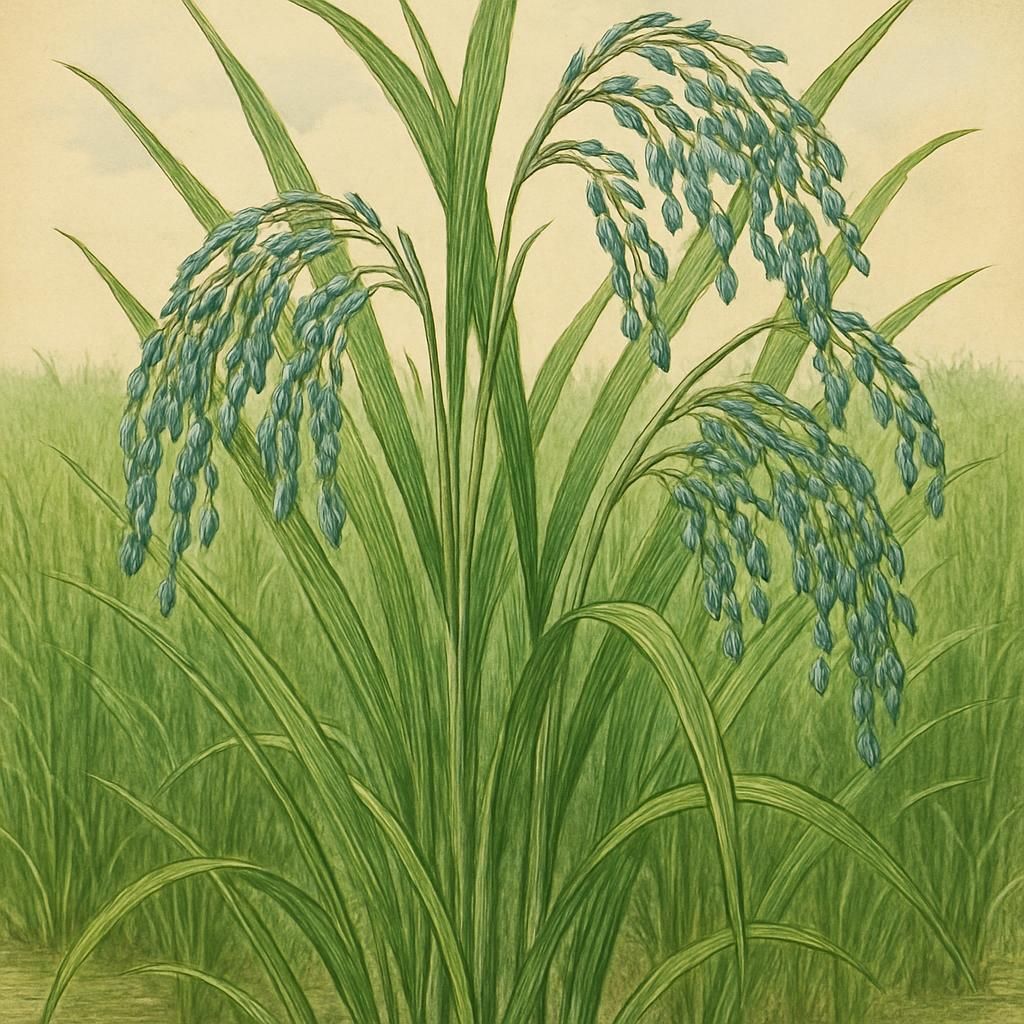
Introduction to Blue Bonnet Rice
Blue Bonnet Rice is a renowned long-grain variety typically cultivated for its high yield and quality grains. This rice type thrives in diverse growing environments, making it versatile for many rice farmers. Known for its distinct flavor and cooking quality, Blue Bonnet Rice has become a staple in many culinary traditions.
Botanical Profile of Blue Bonnet Rice
Scientifically known as Oryza sativa, Blue Bonnet Rice belongs to the Poaceae family. Its plant structure features a fibrous root system with numerous tillers, which are branches that produce grain. The leaves are long, narrow, and flat, playing a crucial role in photosynthesis and transpiration, making them essential for its growth.
Soil, pH, and Climate Requirements for Blue Bonnet Rice
To achieve optimal growth, Blue Bonnet Rice requires specific soil, pH, and climate conditions. Here’s a detailed table illustrating the ideal conditions:
| Aspect | Ideal Condition |
|---|---|
| Soil Type | Clayey Loam, Well-Drained |
| Soil pH | 5.5 - 6.5 |
| Temperature | 21°C - 35°C |
| Rainfall | 1000mm - 2000mm annually |
Step-by-Step Planting & Propagation
- Seed Selection: Choose certified Blue Bonnet seeds for the best yield.
- Soil Preparation: Till the field to aerate the soil and incorporate organic matter.
- Sowing: Sow seeds in rows; use approximately 80-100 kg of seeds per hectare.
- Water Management: Ensure fields are flooded post-germination as rice is semi-aquatic.
- Thinning and Gap Filling: Thin plants 10-14 days after germination. Fill gaps for optimal density.
Care & Maintenance regimes for Blue Bonnet Rice
Maintaining your crop involves regular watering, fertilizing, and minimal pruning. Below is a comprehensive table for a care schedule:
| Activity | Frequency |
|---|---|
| Watering | Continuous flooding, Drain every 3-4 weeks |
| Fertilizer | Initial Nitrogen upon sowing, Additional: 3 sessions (tillering, panicle initiation, flowering) |
| Pruning | Rarely needed; crop focuses on cutting tillers |
Pests, Diseases & Organic Management
Blue Bonnet Rice can be susceptible to several pests and diseases:
- Spider Mites: Use insecticidal soaps and promote natural predators like ladybugs.
- Rice Blast: Rotate crops, use resistant varieties, and appropriate fungicide application.
- Utilize companion planting as an organic method to deter pests naturally.
Harvesting, Curing & Optimal Storage
- Harvesting: Conduct when grains are 80-85% mature, indicated by a golden hue.
- Curing: Dry the paddy to a moisture content of 13-14%. Typically achieved with sunshine or dryers.
- Storage: Store rice in well-ventilated, humidity-controlled, and pest-free environments.
Companion Planting for Blue Bonnet Rice
Summer Companion Planting: 10 Organic Pairings to Boost Small Farm Resilience suggests plants like Mung Bean and Sesame, which can improve nitrogen content and deter specific pests, respectively. They create a microclimate that helps rice growth through shading and soil enhancement.