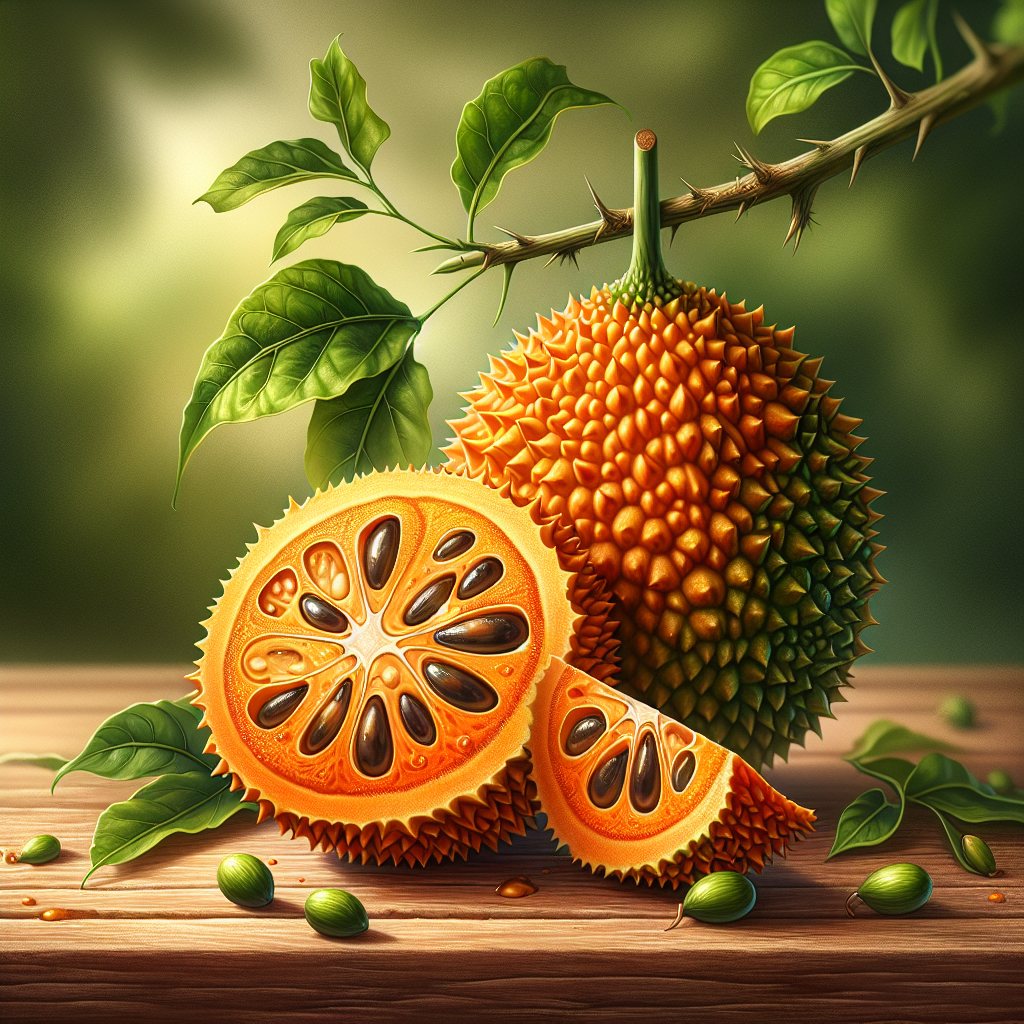
Introduction to Bael Fruit (Kagzi)
Bael Fruit, scientifically known as Aegle marmelos var. Kagzi, stands as a cornerstone of traditional Indian agriculture and Ayurveda. Revered as the 'Shiva fruit' in Hindu scriptures, this deciduous tree produces golf-ball to softball-sized fruits encased in a hard, woody shell. The Kagzi cultivar is particularly sought after for its paper-thin skin—'kagzi' meaning 'paper-like' in Hindi—facilitating easier processing into nutrient-dense pulp used in sherbets, murabba (candied preserves), and medicinal tonics.
Originating from the Indian subcontinent, Kagzi Bael has gained traction in global markets for its superior flavor profile: a tangy-sweet aroma blending pineapple, lemon, and marmalade notes. Nutritionally, it boasts high levels of vitamin C, tannins, and alkaloids, supporting digestion, immunity, and anti-inflammatory benefits. Commercial cultivation spans India, Bangladesh, Thailand, and parts of Southeast Asia, with small farms achieving 100-150 kg/tree yields after 7-8 years. Its low maintenance and drought resistance make it ideal for arid, semi-arid zones, aligning with sustainable farming practices. For optimal results, focus on well-drained sites and minimal pruning. Why Companion Planting Feels Like Guesswork for Small Farms - And How AI Makes It Foolproof
Botanical Profile of Bael Fruit (Kagzi)
Aegle marmelos belongs to the Rutaceae family, closely related to citrus. The Kagzi variety features a slow-growing, thorny tree reaching 10-15 meters tall with trifoliate leaves emitting a musky scent when crushed. Bark is pale gray, peeling in patches, while young branches bear straight spines up to 2 cm long—essential for natural defense.
Flowers emerge in clusters from April to June, greenish-white, fragrant bisexual blooms attracting pollinators like bees and ants. Fruits develop over 6-10 months, maturing July-October. Kagzi fruits are 5-8 cm diameter, with a smooth, yellowish-green rind thinner than common bael varieties. Internally, 10-20 segments of aromatic pulp surround 8-15 hard seeds coated in mucilage. Pulp yield is 60-70% by weight, superior to thicker-skinned types.
Trees exhibit alternate bearing but Kagzi shows improved consistency with proper nutrition. Root system is deep taproot-dominant, enhancing drought tolerance. Similar to mango in fruit structure but uniquely adapted to heat stress up to 48°C. Phenological stages: leaf flush post-monsoon, flowering pre-summer, fruit set post-pollination.
Soil, pH, and Climate Requirements for Bael Fruit (Kagzi)
Kagzi Bael flourishes in diverse soils but demands excellent drainage to avert root rot. Loamy sand or black cotton soils yield best, with 20-30% organic matter ideal. Avoid heavy clays prone to waterlogging. Soil depth minimum 1.5 meters for taproot expansion. Test for salinity <4 dS/m; tolerant but productivity dips above 6 dS/m.
Optimal pH 6.5-7.5; tolerates 5.0-9.0 extremes. Amend acidic soils with lime (2-3 tons/ha), alkaline with gypsum (1-2 tons/ha). Conduct pre-planting analysis: N 200-250 kg/ha, P 100-150 kg/ha, K 200 kg/ha baseline.
Climatically, subtropical hot dry (20-45°C) suits perfectly; chilling injury below 5°C. Annual rainfall 800-1200 mm ideal, supplemented by irrigation in dry spells. Humidity 60-80% during fruiting aids development. Windbreaks essential in gusty areas to protect blossoms. Elevation up to 1000m viable. Heatwaves pose minimal threat due to thick bark insulation—see Why Summer Heatwaves Are Silently Killing Small Farm Yields - And 7 Organic Strategies to Fight Back for resilience tips.
Step-by-Step Planting & Propagation
Propagation: Kagzi Bael propagates via seeds (true-to-type rare) or vegetative methods. Air-layering yields 80-90% success: select 2-3 year shoots, girdle 5 cm ring, apply rooting hormone (IBA 5000 ppm), wrap sphagnum moss, root in 45-60 days. Patch budding on 1-2 year rootstocks (common bael for vigor) in monsoon: 70% take. Seedlings from ripe pulp, stratified 30 days, germinate 3-4 weeks at 25-30°C.
Site Prep: Pit 1x1x1m, fill top 60 cm FYM 20 kg + superphosphate 1 kg + neem cake 5 kg. Expose 15 days pre-planting.
Planting: Monsoon (June-July) optimal. Spacing 6x6m (110 trees/ha), square system. Dig pit, plant grafted sapling 5-10 cm above ground. Stake, mulch 10 cm organic layer. Initial irrigation 40-50L/tree weekly.
Year 1 Care: Prune watersprouts, train central leader. Fertilize NPK 200:150:200 g/tree split 3 doses. Like guava, early vigor crucial.
Care & Maintenance regimes for Bael Fruit (Kagzi)
Irrigation: Drip system post-establishment: 20-40L/tree/day summer, reduce winter. Basin 2-3m radius, mulch conserves 30% water.
Fertilization: Mature trees: FYM 50 kg + NPK 1:0.5:1 kg/tree annually, split pre-monsoon/post-harvest. Micronutrients: ZnSO4 0.5%, Fe 0.2% foliar twice/year.
Pruning: Annual post-harvest: remove deadwood, watersprouts, inward branches. Open center for light penetration; Kagzi responds well, boosting yield 20-25%.
Weeding/Interculture: Cover crops like clover suppress weeds, fix N. Mow regularly.
Training: 3-4 scaffolds at 70-80 cm height. Intercrop legumes years 1-4.
Pests, Diseases & Organic Management
Pests: Leaf caterpillar (glycosanid moths): BT spray 2 ml/L. Fruit fly: Cue-lure traps 20/ha, sanitation. Mealybugs: Neem oil 3% + dish soap. Stem borer: Hook 2% paste on holes. Thrips: Blue sticky traps.
Diseases: Powdery mildew: Sulfur 0.2%. Fruit canker: Bordeaux paste. Root rot: Trichoderma 10g/pit. Collar canker: Copper oxychloride.
Organic IPM: Predatory birds, marigold borders, pheromone traps. Monitor weekly; thresholds: 5% leaf infestation. See Why 90% of Small Farms Fail at Pest Management - And 8 Organic Fixes That Actually Work for protocols. Avoid chemicals near harvest.
Harvesting, Curing & Optimal Storage
Harvest at 80-90% yellow rind, 6-10 months post-set. Mature fruits detach easily; yield test: float in water (sinkers ripe). Hand-pick with clippers, avoid drop damage. 50-100 kg/tree peak.
Curing: Shade dry 7-10 days at 30-35°C, enhances pulp flavor, reduces moisture 20%. Store whole fruits 2-4 weeks room temp, 3-6 months cold (10-12°C, 85% RH).
Postharvest: Pulp extraction: smash, soak, strain. Pasteurized juice shelf-stable 6 months. Murabba: boil pulp sugar syrup. Yields 65% recoverable pulp.
Companion Planting for Bael Fruit (Kagzi)
Kagzi's thorny canopy suits understory companions. Legumes (pigeon pea) fix N, suppress weeds. Marigold repels nematodes. Ginger or turmeric in young orchards add income. Avoid water-hungry like banana. Intercrop rows: mung bean, cowpea years 1-3. Benefits: 20-30% soil fertility boost, pest diversification. Benefits pollinators, shades soil. Fall Companion Planting Guide: Boost Yields and Soil Health for Small Farms and Gardens