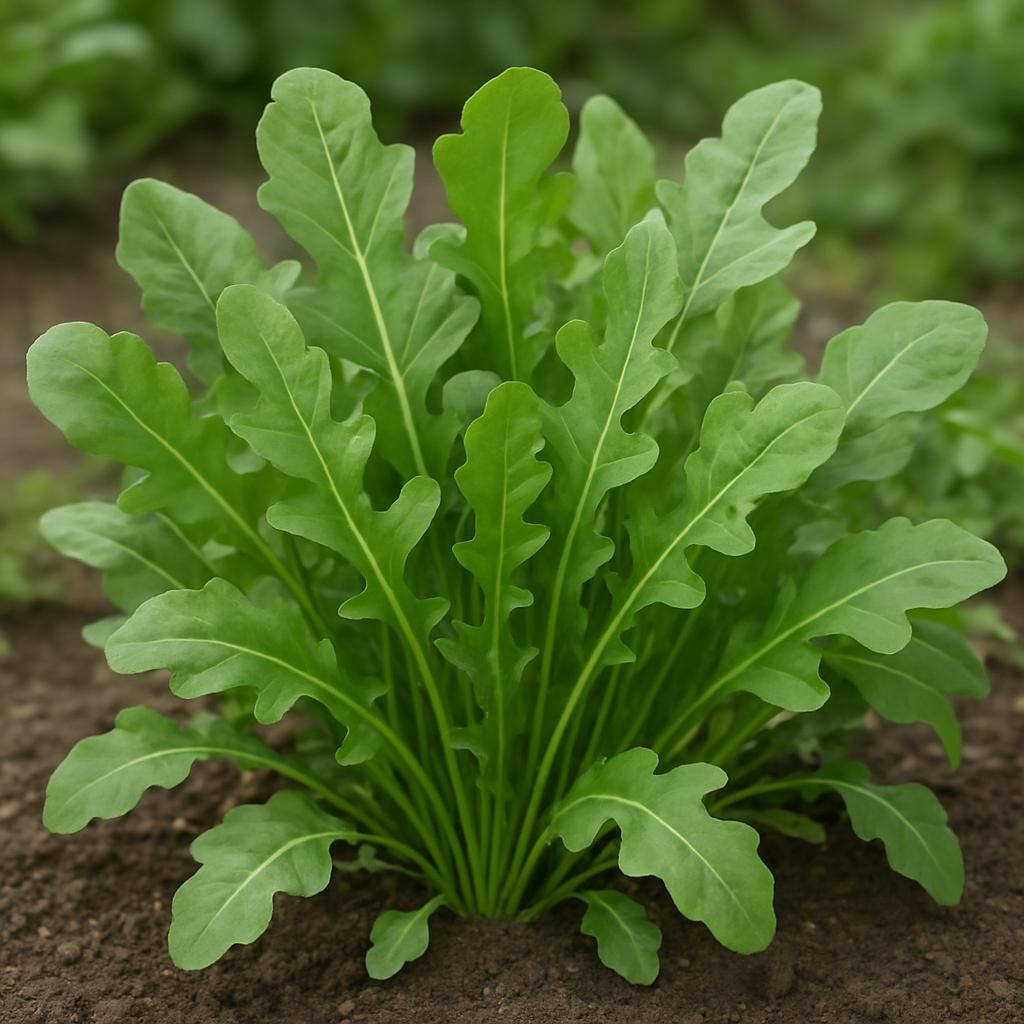
Introduction to Arugula (Selvatica)
Arugula (Selvatica), also known as wild rocket, is a beloved leafy green in both home gardens and commercial agriculture. Known for its distinctive peppery taste, it's a versatile addition to salads, sandwiches, and various culinary dishes. Grown primarily as an annual, Arugula (Selvatica) can be a rewarding crop due to its quick growth cycle and adaptability to different growing conditions.
Botanical Profile of Arugula (Selvatica)
Arugula (Selvatica) belongs to the Brassicaceae family, the same family as broccoli, kale, and mustard greens. The plant exhibits pinnate leaves with a lobed leaf structure, distinguishing it from other leafy greens. It produces small, white flowers known for adding a spicy kick to salads when allowed to bolt.
Soil, pH, and Climate Requirements for Arugula (Selvatica)
For optimal growth, Arugula (Selvatica) requires well-draining soil enriched with organic matter. It prefers slightly acidic to neutral pH levels and thrives in cooler climates but can be susceptible to bolting in high temperatures.
| Parameter | Ideal Condition |
|---|---|
| Soil Type | Loamy, well-drained |
| pH Level | 6.0 - 7.0 |
| Temperature | 10°C - 20°C |
| Sunlight | Full sun to partial shade |
| Watering | Moderate |
Step-by-Step Planting & Propagation
- Site Selection: Choose a location that receives full sun to partial shade, ideally with some afternoon shade in hotter climates.
- Soil Preparation: Till the soil to a fine tilth, incorporating compost or well-rotted manure to enhance fertility and drainage.
- Sowing: Direct sow seeds 1 cm deep, spacing them 15 cm apart in rows approximately 30-45 cm apart.
- Germination: Seeds typically germinate within 7-14 days. Maintain moist soil conditions for optimal germination.
- Thinning: Once seedlings have developed true leaves, thin them to maintain proper spacing.
Care & Maintenance Regimes for Arugula (Selvatica)
Consistent watering and nutrient management are key to healthy growth. Monitor plants for signs of stress during extreme weather conditions.
| Task | Schedule |
|---|---|
| Watering | Maintain even moisture; water once a week or as needed, allowing soil to dry between watering |
| Fertilizer | Apply balanced fertilizer every 4-6 weeks |
| Pruning | Remove flower stalks to delay bolting |
Pests, Diseases & Organic Management
Arugula can fall prey to several pests and diseases such as aphids, flea beetles, and powdery mildew. Regular monitoring and employing organic treatments can mitigate these issues. Spider mites with horticultural oils or insecticidal soaps is effective against soft-bodied pests. Rotating crops and introducing beneficial insects like ladybugs can also control pest populations.
Harvesting, Curing & Optimal Storage
Begin harvesting when leaves are large enough to use, usually 4-6 weeks after sowing. Cut leaves from the outer edges first to encourage continued growth. After harvest, store Arugula in a moist paper towel in the refrigerator; it remains fresh for up to a week.
Companion Planting for Arugula (Selvatica)
Arugula benefits from companion planting with crops such as Cherry Tomato and Onion. These plants can help deter common pests and enhance flavor profiles. For more on companion planting strategies, consider reading the Summer Companion Planting: 10 Organic Pairings to Boost Small Farm Resilience.
In summary, cultivating Arugula (Selvatica) can be a straightforward venture, offering a rich yield of spicy greens. Adapting to the crop's basic requirements is all it takes to achieve a successful harvest. Remember to monitor for pests and avoid high temperatures to prevent premature bolting.