How to Revive a Dying Monkey Mask Monstera: Causes, Fixes, and Prevention
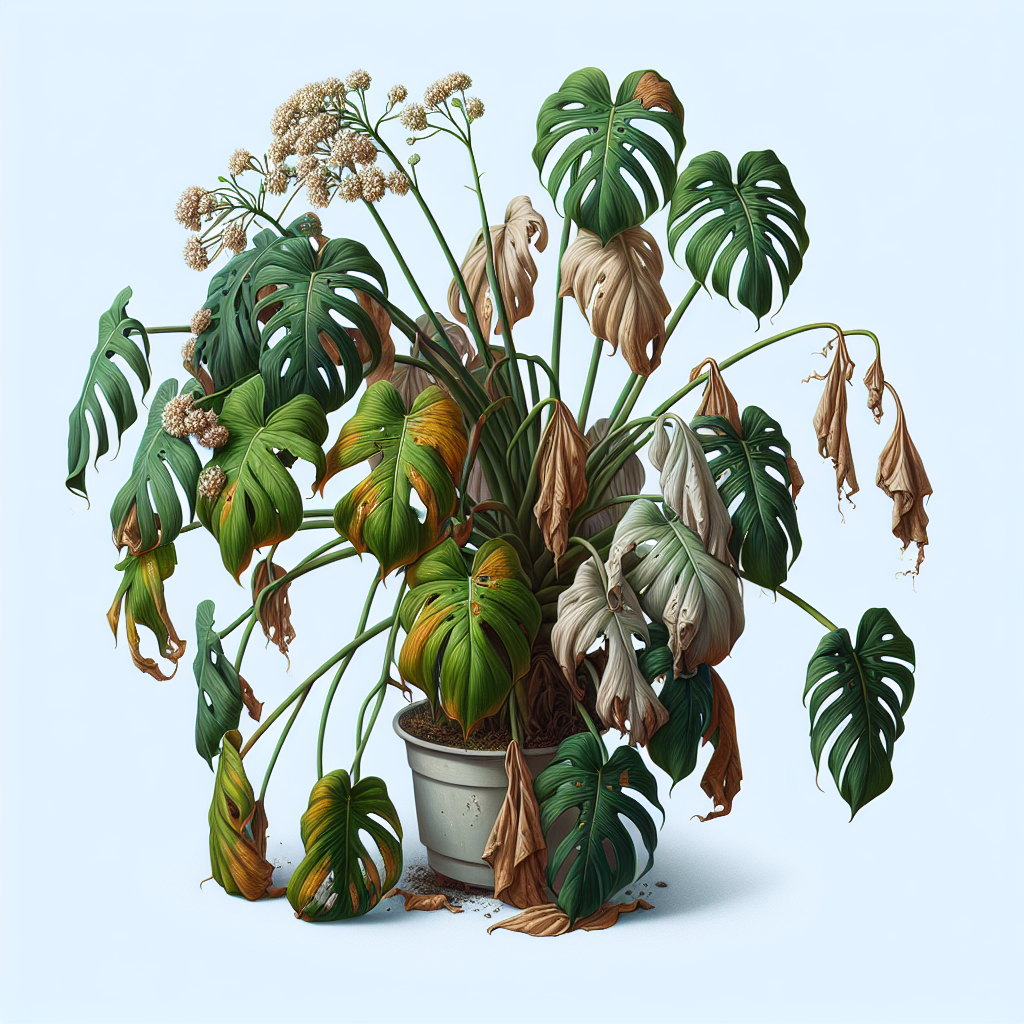
The Monkey Mask Monstera (Monstera adansonii 'Monkey Mask'), known for its unique fenestrated leaves and vining growth, is a popular houseplant that brings a touch of the tropics indoors. However, if your plant's leaves are yellowing, wilting, browning at the edges, or if any rare flowers appear droopy and lifeless, it can be alarming. These symptoms often signal that your Monstera is under stress and "dying," but the good news is that most issues are reversible with prompt, organic intervention. In this guide, we'll explore the root causes, provide actionable step-by-step fixes, and share prevention strategies to keep your Monkey Mask thriving year-round.
Whether you're a beginner gardener or seasoned grower, understanding these problems will help you nurse your plant back to health without harsh chemicals.
Common Causes of a Dying Monkey Mask Monstera
Monkey Mask Monsteras are resilient but sensitive to environmental mismatches. Here's a breakdown of the most frequent culprits behind the "dying" appearance:
1. Overwatering and Root Rot
The #1 killer of Monsteras. Excess moisture leads to root rot, where roots turn black and mushy, starving the plant of oxygen and nutrients. Leaves wilt despite wet soil, turn yellow, and drop.
2. Underwatering or Low Humidity
Dry soil causes leaves to droop and crisp at edges. Monsteras hail from humid rainforests, so indoor dry air (especially in winter) exacerbates this.
3. Improper Lighting
Too little light results in leggy growth and pale, droopy leaves. Direct harsh sun scorches leaves, causing brown tips.
4. Pests and Diseases
Spider mites, mealybugs, or scale suck sap, leading to stippling, webbing, and decline. Fungal issues from poor airflow worsen wilting.
5. Nutrient Deficiencies
Yellowing between veins (chlorosis) signals nitrogen or iron lack. Poor soil depletes essentials over time.
6. Temperature Stress and Repotting Shock
Drafts below 60°F (15°C) or sudden moves cause leaf drop.
To diagnose quickly, use this symptom comparison table:
| Symptom | Likely Cause | Urgency Level |
|---|---|---|
| Yellowing lower leaves | Overwatering/Root rot | High |
| Droopy leaves, dry tips | Underwatering/Low humidity | Medium |
| Pale, leggy growth | Insufficient light | Medium |
| Webbing, sticky residue | Pests (spider mites) | High |
| Brown edges, spots | Direct sun/Burn | Medium |
| Stunted growth, no fenestrations | Nutrient deficiency | Low-Medium |
Step-by-Step Organic Solutions
Follow these organic-first steps to revive your Monstera. Act within 24-48 hours of noticing issues for best results.
Step 1: Inspect and Quarantine (10-15 minutes)
- Isolate the plant to prevent pest/disease spread.
- Gently remove dead leaves/flowers with sterilized shears.
- Check stems: Firm and green is good; mushy means rot.
Step 2: Test Soil Moisture and Roots (20 minutes)
- Insert a wooden skewer or finger 2 inches into soil. If soggy, proceed to repotting.
- Unpot carefully. Healthy roots: White/firm. Rotten roots: Black, smelly--trim with scissors, dip cuts in cinnamon (natural antifungal).
Step 3: Repot in Fresh Organic Soil (30 minutes)
Use a well-draining mix: 50% potting soil, 30% perlite/orchid bark, 20% coco coir.
- Choose a pot 2 inches larger with drainage holes.
- Add worm castings at the bottom for natural nutrients.
- Water lightly post-repotting.
Step 4: Optimize Watering and Humidity (Ongoing)
- Watering rule: Only when top 2 inches dry. Use room-temperature rainwater or filtered water.
- Boost humidity to 60-80%: Place on a pebble tray with water, or mist daily with neem oil spray (doubles as pest control).
- For advanced humidity, group with humidity-loving plants like Banana or Avocado.
Step 5: Adjust Light and Temperature (Immediate)
- Ideal light: Bright, indirect (east/west window). Use sheer curtains for south-facing.
- Maintain 65-85°F (18-29°C), away from AC/vents.
- Supplement with grow lights (full-spectrum LED, 12-14 hours/day) if needed.
Step 6: Treat Pests Organically (15 minutes)
- Neem oil spray: Mix 1 tsp neem + 1 tsp castile soap in 1 quart water. Spray undersides weekly for 3 weeks.
- Introduce beneficials: Ladybugs for aphids, predatory mites for spider mites.
- Wipe leaves with soapy water.
Step 7: Fertilize Organically (After Recovery)
Wait 2 weeks post-repot, then apply diluted fish emulsion or compost tea every 4-6 weeks (spring-fall).
| Treatment Timeline | Action Items | Frequency |
|---|---|---|
| Day 1 | Inspect, repot, quarantine | Once |
| Days 2-7 | Monitor moisture, adjust light/humidity | Daily |
| Weeks 2-4 | Pest treatments, first fertilizer | Weekly |
| Month 2+ | Maintenance routine | Monthly |
Expect new growth in 2-4 weeks. If no improvement, check for severe rot--propagate healthy cuttings in water.
Prevention Tips for Long-Term Health
Keep your Monkey Mask Monstera vibrant with these habits:
- Routine Checks: Weekly soil moisture test, leaf inspection.
- Seasonal Adjustments: Reduce water in winter; increase in summer growth.
- Support Growth: Provide moss pole for aerial roots to climb--mimics natural habitat.
- Organic Mulch: Top-dress with worm castings to retain moisture and feed microbes.
- Airflow: Rotate plant weekly; avoid overcrowding.
- Propagation Prep: Take stem cuttings annually for backups.
For similar tropical care, reference guides on Pineapple or Ginger, which share humidity and soil needs.
Pro Tip: Track progress with photos. Healthy Monsteras develop iconic splits (fenestrations) as they mature.
By addressing issues organically, your Monkey Mask will rebound stronger. Patience is key--revival takes time, but the reward is lush, fenestrated foliage that purifies air and elevates your space.
(Word count: 912)