How to Identify and Stop Pests Nibbling Cucumber Leaves Organically
Introduction
Discovering nibbled leaves on your young Cucumber sprouts or mature vines can be disheartening, especially after careful thinning and nurturing. Those irregular holes, chewed edges, or skeletonized foliage are classic signs of pest activity, often starting early in the season when plants are most vulnerable. Common in home gardens and small farms, this issue threatens yield by reducing photosynthesis and opening doors to diseases. As a lead agronomist at OnlyCrops AI, I've helped thousands of growers pinpoint and resolve these problems without harsh chemicals. This guide focuses on organic-first strategies tailored for Marketmore 76 Cucumber and similar varieties, ensuring healthy, bountiful harvests.
Whether you're growing bush varieties in raised beds or vining types on trellises, early intervention is key. We'll cover the most likely culprits, proven organic fixes, prevention tactics, and how OnlyCrops AI Farm Vision can diagnose issues instantly.
Common Causes of Nibbled Cucumber Leaves
Cucumber leaves attract a range of pests due to their tender texture and high water content. Here's a breakdown of the top offenders:
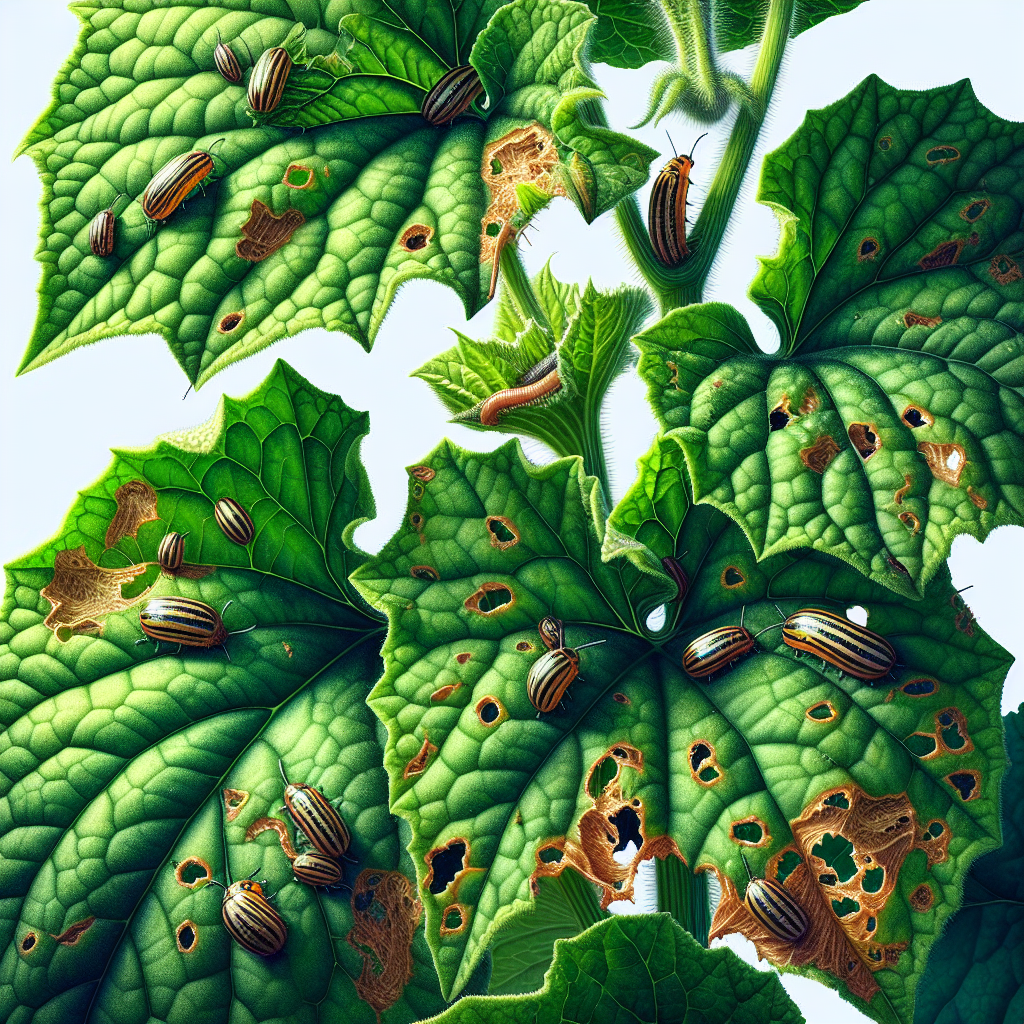
1. **Cucumber Beetles (Striped and Spotted)**
- Symptoms: Small, round holes in leaves; wilting; sticky residue (from larvae feeding on roots).
- Identification: Yellow-striped or black-spotted adults (1/4-inch long) active in warm weather.
- Impact: Transmit bacterial wilt, devastating entire plants.
2. **Slugs and Snails**
- Symptoms: Large, irregular holes with slimy trails, especially at night or after rain.
- Identification: Look for shiny mucus paths on leaves or soil.
- Impact: Prefer young seedlings; can defoliate plants overnight.
3. **Aphids and Thrips**
- Symptoms: Curled leaves, fine stippling, or silvery streaks.
- Identification: Tiny green/black aphids cluster on undersides; thrips are slender and cause distortion.
- Impact: Suck sap, weakening plants and spreading viruses.
4. **Flea Beetles**
- Symptoms: Shot-hole patterns (tiny, round perforations).
- Identification: Small (1/16-inch), jumping black beetles.
- Impact: Severe on seedlings; less so on mature Cucumber vines.
5. **Cutworms and Armyworms**
- Symptoms: Clean-cut leaves or stems near soil level.
- Identification: Fat, greasy larvae hiding in soil during day.
- Impact: Night feeders that can sever young plants.
Other rare causes include grasshoppers or deer, but focus on insects/slugs first. Inspect undersides of leaves, stems, and soil at dawn/dusk for confirmation.
Step-by-Step Organic Solutions
Act fast with these practical, chemical-free methods. Always start with identification to target the pest accurately.
Step 1: **Inspect and Hand-Pick Pests (Immediate Action)**
- Go out at dusk or dawn with a flashlight.
- For slugs/snails: Pick off and drop into soapy water. Use beer traps (shallow dishes sunk into soil).
- For beetles/cutworms: Remove manually; till soil lightly to expose larvae.
- Pro Tip: Wear gloves; repeat daily for 1-2 weeks.
Step 2: **Apply Organic Barriers and Repellents**
- Row Covers: Drape fine mesh (e.g., Agribon) over plants until flowering. Remove for pollination.
- Diatomaceous Earth (DE): Dust leaves and soil (food-grade only). Reapply after rain.
- Neem Oil Spray: Mix 1 tsp neem oil + 1/4 tsp dish soap per quart water. Spray undersides weekly. Avoid during bee-active hours.
Step 3: **Encourage Natural Predators**
- Plant companion flowers like Nasturtium or Thyme nearby to attract ladybugs, lacewings, and parasitic wasps.
- Release beneficial nematodes (Steinernema carpocapsae) for soil-dwelling larvae--mix with water and apply evenings.
Step 4: **Soil and Foliar Treatments**
- BT (Bacillus thuringiensis): Spray on leaves for caterpillars/armyworms. Safe for bees/pollen.
- Garlic-Pepper Spray: Blend 2 garlic cloves, 1 hot pepper, 1 tbsp soap in 1 quart water. Ferment 24 hours, strain, spray.
- Hose-Off Aphids: Strong water blast dislodges clusters; follow with insecticidal soap.
Step 5: **Monitor and Repeat**
- Check plants every 2-3 days. Adjust based on pest pressure.
- For heavy infestations, prune damaged leaves and dispose (don't compost).
These steps typically resolve 80-90% of cases within 7-10 days, preserving your Cucumber crop organically.
Prevention Tips for Future Seasons
Prevention beats cure. Integrate these into your routine:
- Crop Rotation: Avoid planting cucumbers in the same spot for 3 years. Rotate with Clover or legumes.
- Healthy Soil: Amend with compost for resilient plants. Strong Cucumber vines resist pests better.
- Companion Planting: Pair with Nasturtium (traps beetles), Thyme (repels aphids), or onions. Avoid potatoes nearby.
- Mulching: Use straw or wood chips to deter slugs and retain moisture.
- Timing: Plant after soil warms (70°F+); use transplants for head start.
- Clean-Up: Remove plant debris in fall to break pest cycles.
- Zone Management: In OnlyCrops AI, tag cucumber zones for targeted alerts.
Consistent practices yield pest-free harvests year after year.
When to Use OnlyCrops AI Farm Vision for This Issue
Struggling to ID the exact pest? OnlyCrops AI Farm Vision is your instant diagnostic tool. Snap a photo of affected Cucumber leaves with your phone's camera--our AI identifies species, pests (e.g., cucumber beetles vs. flea beetles), and deficiencies in seconds. It delivers custom organic action plans based on your location, weather, and crop data.
Upload to the Progressive Web App (PWA) on iPhone, Android, or desktop--works offline for photo capture. Get hyper-local weather alerts to predict pest surges (e.g., beetle flights post-rain). Pair with AI Chat for voice/text advice: "What's eating my cucumbers in Zone 2?"
Lifetime access means no subscriptions--just one-time setup for your farm's zones, companions, and tasks. Track ROI via Financial Pulse to see pest control savings.
Download OnlyCrops AI today and safeguard your harvest effortlessly.
(Word count: 912)