Introduction
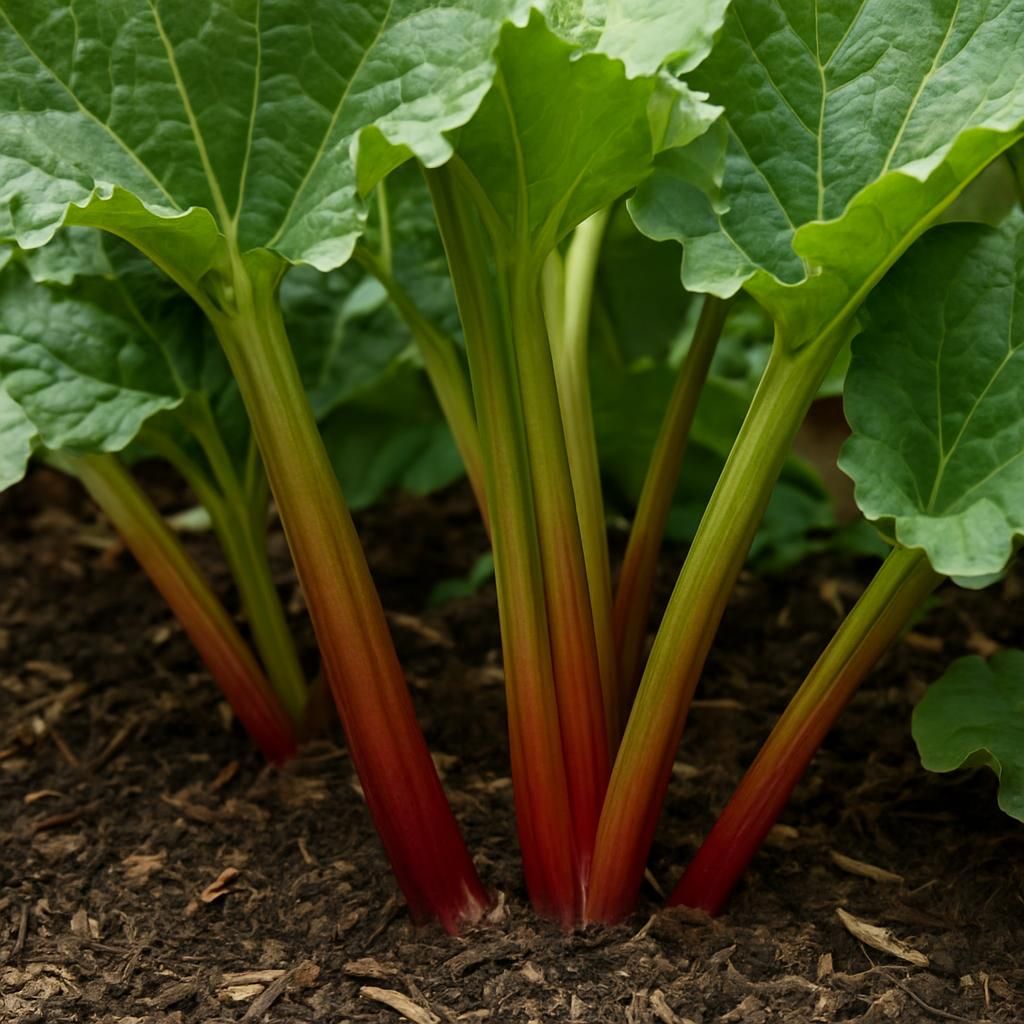
Rhubarb is a hardy perennial vegetable prized for its tart stalks, but new gardeners often wonder if unusual growth patterns or limited production in the first season indicate a problem. Whether your plants are producing thin stalks, flowering early, or showing discoloration after moving into a new garden last fall, understanding normal development is key. This guide explains how to assess your rhubarb, harvest it safely for the first time, and address issues using organic methods.
Common Causes
Several factors can make rhubarb appear abnormal, especially during the establishment year:
- Overharvesting or premature picking: Removing too many stalks in the first season stresses the crown and reduces future yields.
- Flowering and bolting: Warm temperatures or stress trigger seed stalks that divert energy from edible parts.
- Nutrient imbalances: Poor soil fertility, particularly low potassium or organic matter, leads to weak growth.
- Pest and disease pressure: Slugs, crown rot, or fungal issues can cause wilting or spots.
- Water stress or transplant shock: Inconsistent moisture after planting affects stalk quality.
| Issue | Typical Symptoms | Likely Cause |
|---|---|---|
| ------- | ------------------ | -------------- |
| Organic Matter Deficiency | Thin, pale stalks | Low compost or aged manure |
| Flowering | Tall central stalks with blooms | Heat stress or over-maturity |
| Crown Rot | Soft, brown base | Poor drainage or overwatering |
Step-by-Step Organic Solutions
Follow these methods to restore and maintain healthy Rhubarb plants:
- Assess and limit first-year harvest -- Only remove 2-3 stalks per plant after the second year of growth. Always leave at least two-thirds of the foliage intact.
- Remove flower stalks promptly -- Cut flowering stems at the base as soon as they appear to redirect energy back into the crown.
- Improve soil organically -- Top-dress with 2-3 inches of well-rotted compost or aged manure each spring. Avoid synthetic fertilizers.
- Apply companion planting -- Interplant with Garlic and Onion to naturally deter pests while improving biodiversity.
- Ensure proper watering -- Provide 1-1.5 inches of water weekly during dry periods, focusing on deep, infrequent irrigation to encourage strong roots.
- Manage pests organically -- Hand-pick slugs at dusk or use beer traps and diatomaceous earth around the base.
Prevention Tips
Prevent future issues by establishing strong cultural practices:
- Plant in full sun with well-drained, fertile soil amended with organic matter.
- Mulch heavily with straw or shredded leaves to retain moisture and suppress weeds.
- Rotate plantings every 5-7 years and avoid planting near Tomato beds to reduce disease carryover.
- Monitor for early signs of stress each spring and address them immediately with organic amendments.
- Divide crowns every 4-5 years in early spring to maintain vigor and prevent overcrowding.
By following these organic-first approaches, your rhubarb will transition from uncertain first-year growth to reliable, productive harvests for many seasons.