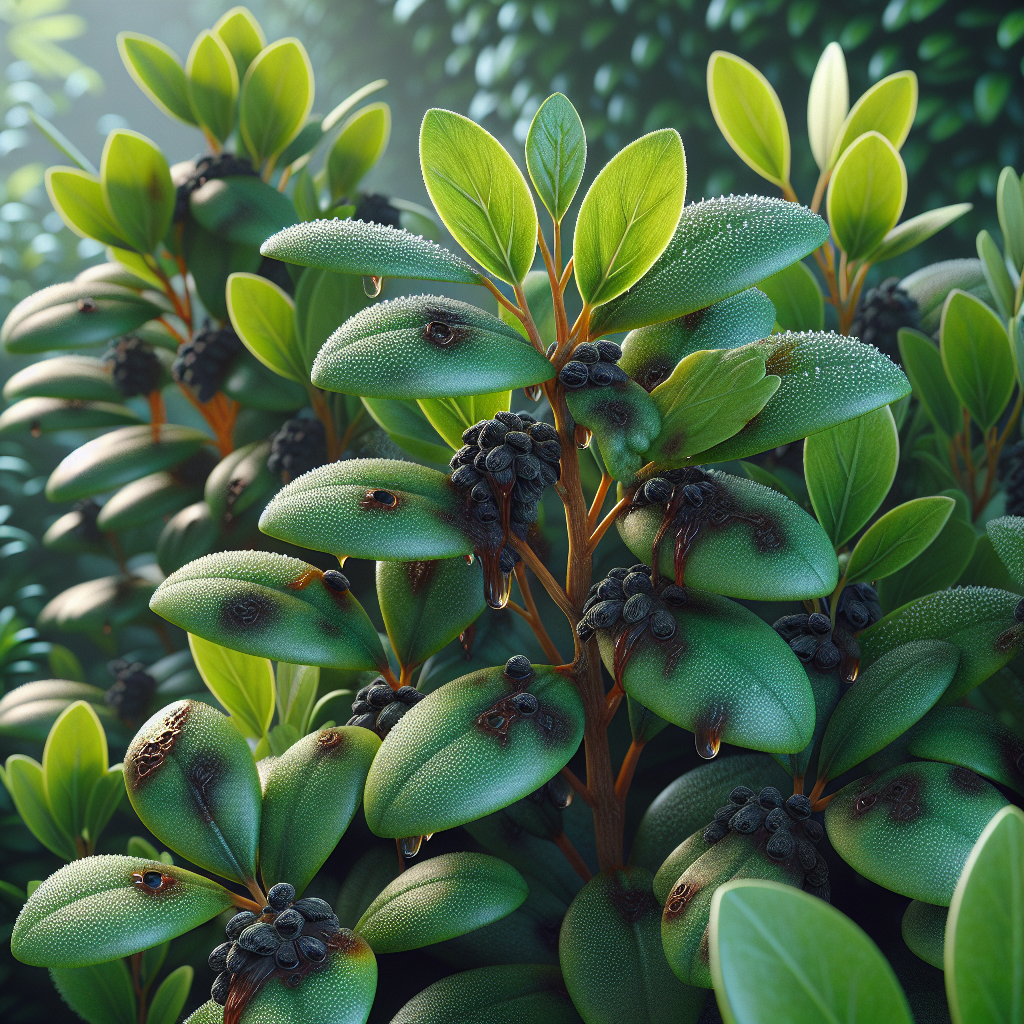
How to Diagnose, Prune, and Treat Dying Boxwood Shrubs Organically
Boxwood shrubs (Buxus spp.) are beloved evergreens in gardens for their dense foliage, versatility in hedging, and year-round structure. However, if you've noticed browning leaves, dieback, black spots, or sparse growth on your established boxwood, you might be wondering: "Should I cut this out?" These symptoms often signal diseases, pests, or environmental stress. Ignoring them can lead to whole-plant decline, but with prompt diagnosis and organic intervention, you can prune out the damage and restore vigor. This guide covers identification, safe pruning practices, organic remedies, and long-term prevention to keep your boxwoods healthy.
Common Causes of Boxwood Decline
Boxwoods face several threats, often mimicking each other. Accurate diagnosis is key before pruning.
1. Boxwood Blight (Calonectria pseudonaviculata)
A fungal disease causing dark brown to black leaf spots, stem cankers, and rapid defoliation. Wet, humid conditions spread spores via splashing water or tools.
2. Volutella Blight (Pseudonectria buxi)
Another fungus leading to pink spore masses on blighted twigs, yellowing leaves, and dieback. It thrives in weakened plants.
3. Boxwood Leafminer (Monarthropalpustibicos)
Larvae tunnel inside leaves, causing yellowing, browning tips, and blistered foliage. Adults emerge in spring.
4. Root Rot (Phytophthora spp.)
Overwatering or poor drainage leads to mushy roots, wilting, and yellowing from the base up.
5. Environmental Stress
Winter burn, drought, or nutrient deficiencies (e.g., low nitrogen) cause bronzing or sparse growth.
Here's a comparison table for quick diagnosis:
| Symptom | Likely Cause | Key Indicators |
|---|---|---|
| Black leaf spots, leaf drop | Boxwood Blight | White spore masses in humid weather |
| Pink spores on twigs | Volutella Blight | Twig dieback, yellow leaves |
| Blistered, mined leaves | Leafminer | Orange adults in spring |
| Wilting from base | Root Rot | Soggy roots, poor drainage |
| Bronzing in winter | Environmental Stress | Uniform discoloration, no pests |
Pro Tip: Scrape bark on affected stems. Healthy tissue is green; brown/black indicates canker diseases.
Step-by-Step Organic Solutions
Act quickly--prune in dry weather to avoid spread. Always sterilize tools with 10% bleach or 70% alcohol between cuts.
Step 1: Inspect and Isolate
- Quarantine the shrub: Move nearby plants if possible; avoid overhead watering.
- Examine closely: Use a magnifying glass for miners or spores. Check roots by gently digging around the base.
Step 2: Prune Affected Areas
Yes, cut it out--but strategically:
- Remove dead/diseased parts: Cut 4-6 inches below visible symptoms into healthy green tissue.
- Thin the center: Improve airflow by removing 10-20% of interior branches.
- Shape properly: Maintain natural form; avoid shearing into tight hedges during disease.
- Dispose properly: Bag and trash clippings--do not compost. Burn if legal.
For severe cases:
| Pruning Severity | When to Prune | Expected Recovery Time |
|---|---|---|
| Light (tips only) | Spring or Fall | 4-6 weeks |
| Moderate (20-30%) | Early Spring | 1-2 seasons |
| Heavy (>50%) | After leaf drop | 2-3 years |
Step 3: Apply Organic Treatments
Prioritize biology over chemicals:
- Neem oil or insecticidal soap: Spray every 7-10 days for leafminers (target undersides). Mix 1 tbsp neem per gallon water + 1 tsp dish soap.
- Baking soda fungicide: 1 tbsp baking soda + 1 tbsp horticultural oil + 1 gallon water. Apply weekly for blights.
- Compost tea: Brew aerated compost tea (1:10 compost:water, bubble 24-48 hrs) to boost beneficial microbes.
- Root rot remedy: Improve drainage with raised beds; drench with hydrogen peroxide (1 cup 3% per gallon water).
- Mulch: Apply 2-3 inches of shredded leaves or bark, keeping off stems.
Application Schedule Table:
| Issue | Treatment Frequency | Best Time |
|---|---|---|
| Blight | Weekly x 4 | Dry mornings |
| Leafminer | Every 10 days x 3 | Evening |
| Root Issues | Once, then monitor | After pruning |
Step 4: Fertilize and Water Correctly
- Use organic, slow-release fertilizer (e.g., fish emulsion or worm castings) in spring.
- Water deeply but infrequently: 1 inch/week, at base, not leaves.
Step 5: Monitor Progress
Re-inspect in 2-4 weeks. New growth indicates success; persistent decline may require removal to protect others.
Prevention Tips for Thriving Boxwoods
Prevention beats cure. Integrate these into your routine:
- Site selection: Full sun to part shade, well-drained soil (pH 6.5-7.2).
- Air circulation: Space plants 2-3 feet apart; prune annually.
- Resistant varieties: Choose 'Green Velvet' or 'Winter Gem' over susceptible 'English' types.
- Companion planting: Interplant with pest-repelling herbs like Thyme, Garlic, or Yarrow to deter insects naturally.
- Sanitation: Clean tools, avoid overhead irrigation. Use drip lines.
- Winter protection: Wrap in burlap during harsh winters; mulch roots.
- Soil health: Test annually; amend with compost. Avoid high-nitrogen fertilizers.
Seasonal Prevention Calendar:
| Season | Action Items |
|---|---|
| Spring | Prune, neem spray, fertilize |
| Summer | Monitor humidity, fungicide if wet |
| Fall | Rake debris, mulch, root drench |
| Winter | Protect from wind, inspect for damage |
By following these organic methods, most boxwoods recover fully within one season. Patience is key--over-pruning stresses plants further. For integrated gardens, pair boxwoods with edibles like Tomato or Strawberry borders, using the same principles of airflow and sanitation.
In severe outbreaks, consult local extension services. Healthy boxwoods can live 20+ years with proper care.
(Word count: 912)