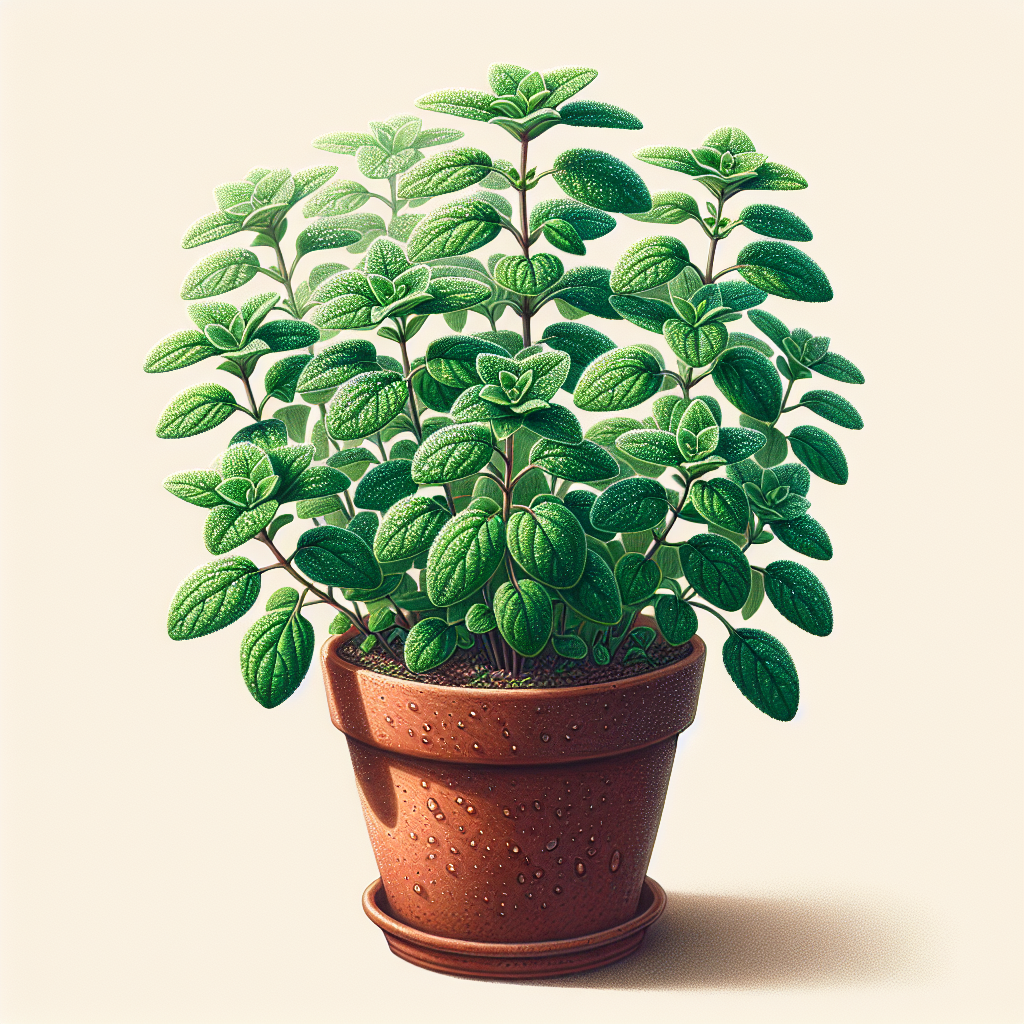
How to Diagnose and Fix Yellow Leaves on Oregano Plants Organically
Introduction
Oregano (Origanum vulgare), a hardy perennial herb beloved for its robust flavor in Mediterranean cuisine, thrives in well-drained soils and full sun. However, gardeners frequently encounter yellowing leaves--a condition known as chlorosis--that can stunt growth, reduce essential oil production, and even lead to plant death if unaddressed. This symptom manifests as leaves turning pale yellow, starting from the bottom or edges, progressing inward. While alarming, yellow leaves on oregano are usually reversible with prompt diagnosis and organic interventions. Understanding the root causes, from soil imbalances to cultural mismanagement, empowers you to revive your plants naturally. This guide draws on agronomic principles to help you identify issues, apply targeted fixes, and foster long-term vigor, ensuring bountiful harvests of aromatic leaves.
Common Causes
Yellowing in oregano stems from environmental, nutritional, or biological stressors. Oregano's Mediterranean origins make it drought-tolerant and averse to wet feet, so many issues trace back to soil and watering mismatches. Below is a structured overview of primary causes, symptoms, and diagnostic clues.
| Cause | Symptoms | Diagnostic Clues |
|---|---|---|
| Overwatering/Poor Drainage | Uniform yellowing from base up; soggy soil; root rot (black, mushy roots) | Soil stays wet >3 days; pot lacks holes |
| Nitrogen Deficiency | Pale green to yellow older leaves; stunted growth | Fast-draining soil; heavy rain leaching |
| Iron Deficiency (Alkaline Soil) | Yellow leaves with green veins (interveinal chlorosis) | pH >7.0; limestone-heavy soil |
| Pests (Aphids/Spider Mites) | Yellow mottling; sticky residue; webbing | Tiny insects visible; clustered on undersides |
| Fungal Diseases (Root Rot/Verticillium) | Wilting yellow leaves; stem lesions | Cool, humid conditions; compacted soil |
| Underwatering/Sun Scorch | Crispy yellow edges; dry soil | Infrequent watering; intense afternoon sun |
| pH Imbalance | Generalized yellowing; poor nutrient uptake | Test soil pH (ideal 6.0-8.0 for oregano) |
Nutrient deficiencies mimic each other but differ by pattern: nitrogen affects older leaves first, while iron targets younger ones. Similar issues plague related crops like Tomato plants, where nitrogen shortages cause bottom-up yellowing. Pests thrive in stressed plants, compounding problems.
Detailed Breakdown of Causes
Water-Related Stress: Oregano despises waterlogging. Excess moisture suffocates roots, inviting Pythium or Phytophthora fungi. In containers, this is epidemic without proper drainage.
Nutritional Shortfalls: Sandy or depleted soils leach nitrogen rapidly. Iron locks up in high-pH environments, starving chloroplasts. Magnesium deficiency (less common) yellows leaf edges.
Biotic Factors: Aphids suck sap, injecting toxins that yellow foliage. Spider mites rasp leaf cells, creating stippled yellow patches. Fungal wilt blocks vascular tissue.
Environmental Mismatch: Too little light stretches plants, diluting chlorophyll; extremes (below 50°F or above 90°F) trigger stress.
Step-by-Step Organic Solutions
Act swiftly but methodically. Start with non-invasive checks before repotting. Prioritize organic methods to preserve oregano's flavor purity and soil microbiome.
Step 1: Assess and Isolate
- Inspect the Plant: Examine leaves top-to-bottom, undersides for pests. Gently unearth a root sample--healthy roots are white/firm; rotten ones are brown/mushy.
- Test Soil: Use a home kit for pH and moisture. Ideal: pH 6.5-7.5, moist but crumbly.
- Quarantine: Move affected plants away from companions like Thyme to prevent spread.
Step 2: Correct Watering Issues
- For Overwatering: Repot in fresh, gritty mix (50% potting soil, 30% perlite, 20% compost). Water only when top 2 inches dry--every 7-10 days.
- For Underwatering: Deep soak until water drains, then mulch with straw to retain moisture.
Step 3: Address Nutrient Deficiencies
Apply organic amendments based on diagnosis:
| Deficiency | Organic Fix | Application Rate & Frequency |
|---|---|---|
| Nitrogen | Compost tea or blood meal | 1 cup/gallon water, drench monthly |
| Iron | Chelated iron (plant-derived) or sulfur | 1 tsp/gallon foliar spray, biweekly |
| Magnesium | Epsom salts (magnesium sulfate) | 1 tbsp/gallon, soil drench every 2 weeks |
Brew compost tea: Steep 1 part mature compost in 5 parts water for 3-7 days, strain, dilute 1:10. Foliar feed on cloudy days for quick uptake. Avoid synthetics to prevent burn.
Step 4: Combat Pests Organically
- Aphids: Blast with neem oil (1 tsp/quart water + 1 tsp dish soap). Repeat weekly.
- Spider Mites: Introduce predatory mites or spray insecticidal soap.
- Prevention Boost: Plant Nasturtium nearby as trap crop.
Step 5: Treat Diseases
- Trim yellow foliage (sterilize shears with alcohol). Drench soil with cinnamon powder slurry (antifungal).
- For root rot, prune dead roots, repot in sterile mix, and apply beneficial microbes like Trichoderma (available in organic biofungicides).
Step 6: Optimize Environment
- Ensure 6+ hours full sun. Harden off indoor starts.
- Prune leggy growth to encourage bushiness.
Monitor progress weekly; new green growth signals recovery within 2-4 weeks. For companion herbs like Thai Basil, apply similar protocols.
Prevention Tips
Proactive management keeps oregano thriving:
- Soil Mastery: Amend with 20-30% organic matter annually. Raised beds or terracotta pots excel for drainage.
- Water Wisely: Mulch to regulate moisture; use rain barrels for soft water.
- Fertilize Seasonally: Side-dress with worm castings in spring/fall.
- Rotate and Companion Plant: Avoid monocultures; pair with carrots or onions to deter pests.
- Monitor pH Yearly: Adjust with elemental sulfur (acidify) or lime (alkalize) gradually.
- Winter Protection: Mulch crowns in cold zones; oregano survives to zone 5 with cover.
- Seed Selection: Choose disease-resistant varieties like Greek or Italian oregano.
| Maintenance Timeline | Action Items |
|---|---|
| Spring | Test soil, plant in fresh mix, fertilize |
| Summer | Water deeply weekly, scout pests |
| Fall | Harvest, mulch, compost spent foliage |
| Winter | Protect roots, prune lightly |
By integrating these practices, you'll minimize yellowing risks, harvesting up to 1 lb per mature plant yearly. Healthy oregano not only flavors dishes but repels garden pests naturally.
(Word count: 912)