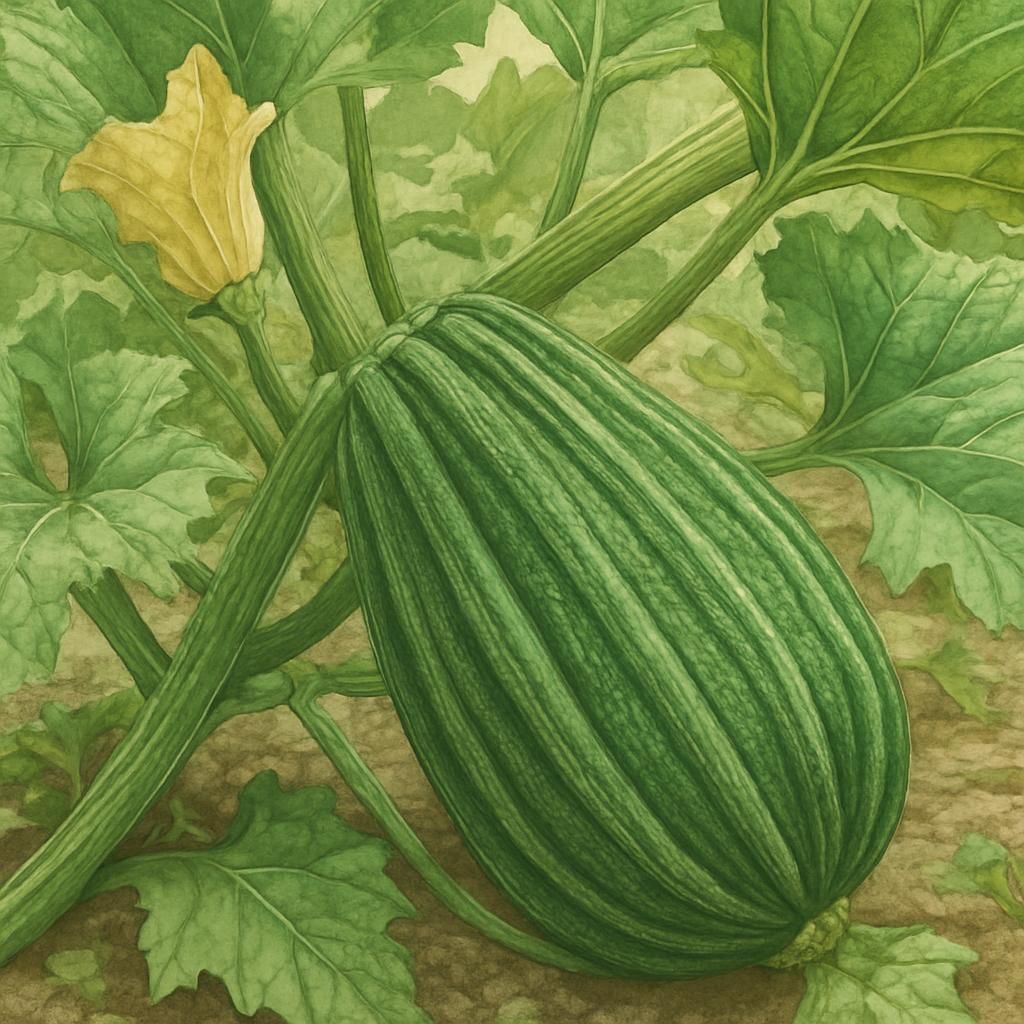
Introduction to Zucchini (Costata Romanesco)
Zucchini (Costata Romanesco) is not your typical summer squash. Known for its distinctive ribbed skin and rich flavor, this Italian heirloom offers a unique twist on a classic garden staple. Its impressive yields and versatile culinary uses make it a favorite among both novice and experienced gardeners.
Botanical Profile of Zucchini (Costata Romanesco)
Costata Romanesco belongs to the species Cucurbita pepo, the same family that includes pumpkins and gourds. Characterized by its elongated shape, dark green skin with pale green ribs, and creamy flesh, this zucchini variety matures rapidly, typically within 50-55 days after planting.
Soil, pH, and Climate Requirements for Zucchini (Costata Romanesco)
Costata Romanesco thrives in warm climates, favoring a sunny location with well-drained soil. Here is a detailed breakdown of ideal conditions:
| Factor | Ideal Condition |
|---|---|
| Soil Type | Loamy, well-drained |
| Soil pH | 6.0-7.5 |
| Temperature | 22-30°C (72-86°F) |
| Sunlight | Full sun, at least 6-8 hours daily |
Step-by-Step Planting & Propagation
- Seed Selection: Choose high-quality seeds from a reputable supplier. Ensure the seeds are free from mold or pests.
- Seed Starting: Begin indoors 4-6 weeks before the last frost. Sow seeds 2 cm deep in biodegradable pots filled with seed-starting mix.
- Transplanting: Once soil temperatures reach 21°C (70°F), transplant seedlings outdoors, spacing plants 90 cm apart.
- Direct Sowing: Alternatively, sow seeds directly into garden beds after the last frost, ensuring 3-4 seeds per hole.
- Thinning: Thin seedlings to retain the strongest plant per hole.
Care & Maintenance Regimes for Zucchini (Costata Romanesco)
| Care Aspect | Schedule/Guidelines |
|---|---|
| Watering | Deep watering once a week; keep soil moist |
| Fertilization | Balanced fertilizer every 4 weeks |
| Pruning | Remove damaged leaves, avoid overcrowding |
Zucchini requires consistent moisture; avoid overhead watering to prevent fungal diseases. Fertilize using a balanced NPK ratio to support robust growth and fruit development.
Pests, Diseases & Organic Management
Costata Romanesco is susceptible to several pests and diseases, such as Cucumber Beetles and Powdery Mildew. Employ integrated pest management (IPM) practices to control these issues:
- Physical Barriers: Use row covers to protect young plants from pests.
- Natural Predators: Encourage beneficial insects like ladybugs and lacewings.
- Fungicide: Organic copper fungicides can help manage mildew.
For more advanced pest management strategies, explore the blog post 7 Summer Pest Traps That Sabotage Small Farm Harvests.
Harvesting, Curing & Optimal Storage
Zucchini (Costata Romanesco) should be harvested when fruits are 15-20 cm long, about 70% of their mature size, ensuring the best flavor and texture. Use a sharp knife to cut fruits from the vine to prevent damage.
- Storage: Store in a cool, humid place, such as a refrigerator, for up to 2 weeks.
- Preservation: Blanch and freeze excess zucchini for later use.
Companion Planting for Zucchini (Costata Romanesco)
Costata Romanesco benefits from companion planting, which can enhance growth and reduce pest issues. Suitable companions include:
- Nasturtium: Repels aphids and beetles.
- Beans: Fix nitrogen in the soil, benefiting zucchini.
To enhance overall resilience and yield, refer to the blog post Spring Companion Planting: 8 Organic Pairings to Maximize Small Farm Yields.
Zucchini (Costata Romanesco) offers a flavorful and productive option for gardeners looking to diversify their summer harvests. With mindful care and organic management, this heirloom variety can thrive, offering bountiful yields and culinary delight.