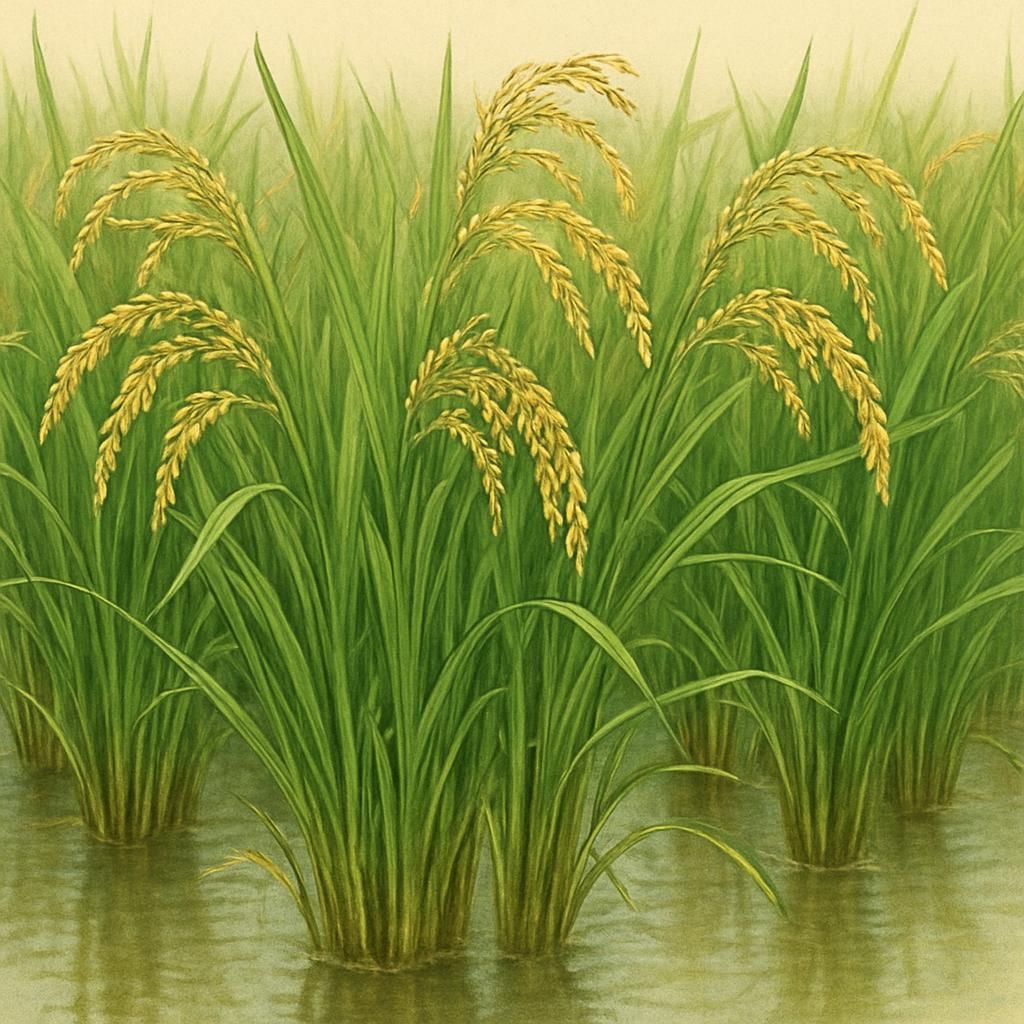
Introduction to Tosya Rice
Tosya Rice, originating from the Tosya district in Turkey, is a white rice variety celebrated for its aromatic properties and superior cooking quality. Often compared to other premium rice types, Tosya Rice is renowned for its ability to absorb flavors, making it a favorite in Turkish cuisine, particularly in pilafs.
Botanical Profile of Tosya Rice
Tosya Rice (Oryza sativa var. Tosya) is categorized under the Poaceae family. It is an annual grass characterized by its medium to long grains. The plant can reach heights of 1 to 1.8 meters, with slender, elongated leaves that are light green. The grains form in panicles, and under ideal conditions, the plant produces high yields.
Soil, pH, and Climate Requirements for Tosya Rice
Rice in general, including Tosya Rice, thrives in warm, humid environments. Correct soil and climatic conditions are critical for maximizing yield and ensuring the health of the crops. Below is a table of ideal conditions:
| Parameter | Ideal Range |
|---|---|
| Soil Type | Clay Loam, Silty Clay |
| Soil pH | 5.5-6.5 |
| Temperature | 20-30°C (68-86°F) |
| Rainfall | 150-200 cm annually |
| Altitude | 300-1000 meters |
Step-by-Step Planting & Propagation
- Seed Selection: Choose high-quality Tosya Rice seeds from a reputable source, ensuring they are disease-free.
- Land Preparation: Prepare fields by plowing and harrowing to a fine tilth. Level the field to prevent waterlogging or drought pockets.
- Seed Treatment: Prior to sowing, treat seeds with a fungicide to prevent diseases.
- Sowing: Direct sowing is common, but transplanting seedlings grown in nurseries at 20-30 days old is also practiced. Maintain a spacing of 15 x 15 cm for optimal growth.
- Flooding: Establish a controlled irrigation schedule to maintain water levels 5-7 cm deep, which is beneficial during the vegetative phase.
Care & Maintenance regimes for Tosya Rice
Tosya Rice requires regular attention to thrive. The following table outlines a care and maintenance schedule:
| Activity | Timing/Stage | Notes |
|---|---|---|
| Watering | Throughout growth | Keep fields flooded until late grain maturation. Drain before harvest. |
| Fertilizer | Pre-sowing, tillering | Apply balanced NPK fertilizers, with emphasis on nitrogen during tillering. |
| Pruning | Not applicable | Ensure proper plant spacing to prevent overcrowding. |
Pests, Diseases & Organic Management
Tosya Rice is susceptible to pests such as Armyworms and diseases like Blast and Root Rot. Organic management includes:
- Regular monitoring and deploying traps for pests.
- Using neem oil sprays as a preventative measure against insect infestations.
- Practicing crop rotation to minimize soil-borne diseases. For detailed organic strategies, explore Crop Diseases Under the Microscope: 9 Organic Fixes for Small Farm Resilience.
Harvesting, Curing & Optimal Storage
- Harvesting: Harvest when grains are hard and moisture content is about 20-25%. Cut the plants close to the ground and bundle them.
- Curing: Allow harvested rice to dry in the sun to reduce moisture content to safe storage levels (approx. 12-14%).
- Storage: Store in cool, dry locations. Use airtight containers to protect against pests.
Companion Planting for Tosya Rice
Companion planting can enhance growth and reduce pest pressures. Good companions for Tosya Rice include Garlic, which acts as a natural pest deterrent. Including legumes like Lentils can improve soil nitrogen levels, benefiting rice growth.
To learn more about effective planting strategies, visit Spring Companion Planting: 8 Organic Pairings to Maximize Small Farm Yields.