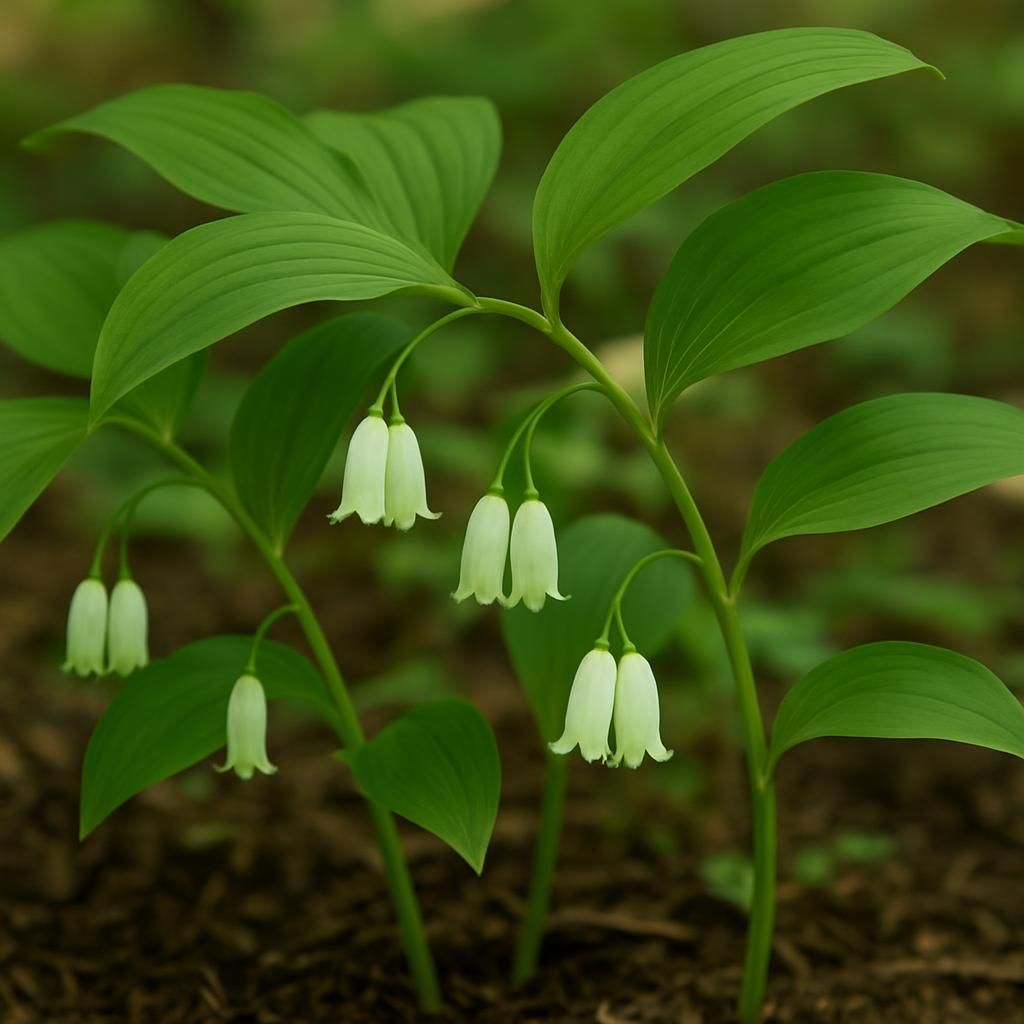
Introduction to Solomon's Seal
Solomon's Seal (Polygonatum biflorum) is a classic woodland perennial that brings elegant structure and subtle beauty to shaded garden spaces. Native to eastern North America, it forms colonies through slowly spreading rhizomes and returns reliably each spring. Gardeners value its graceful arching stems, paired leaves, and small white bell-shaped flowers that hang beneath the foliage in spring. Beyond its ornamental appeal, Solomon's Seal has a long history in traditional herbal practices and is increasingly grown in permaculture and forest garden systems.
This definitive growing guide provides professional-grade, practical advice for both home gardeners and small-scale commercial growers. Whether you are establishing a new shade garden or expanding an existing perennial bed, the following sections detail every stage of successful cultivation.
Botanical Profile of Solomon's Seal
Solomon's Seal belongs to the Asparagaceae family. The species Polygonatum biflorum produces unbranched, arching stems that typically reach 60–90 cm in height. Each stem bears 8–12 alternate, ovate leaves arranged in pairs. In late spring, pairs of small tubular flowers emerge from the leaf axils on the underside of the stems. These creamy-white flowers are followed by dark blue-black berries in late summer.
The plant spreads via thick, jointed rhizomes that store carbohydrates and allow the colony to expand slowly over time. Solomon's Seal is a true perennial, often living for decades once established in favorable conditions. It enters dormancy in autumn, with foliage dying back completely after frost.
Soil, pH, and Climate Requirements for Solomon's Seal (MUST INCLUDE A MARKDOWN TABLE OF IDEAL CONDITIONS)
Solomon's Seal performs best in moist, well-drained soils rich in organic matter. It naturally occurs in deciduous woodlands where leaf litter provides consistent moisture and nutrients. The plant tolerates a range of light conditions but prefers dappled shade or morning sun with afternoon protection.
| Parameter | Ideal Range | Notes |
|---|---|---|
| Soil Type | Loamy, humus-rich | Incorporate compost or leaf mold |
| Soil pH | 5.5 – 7.0 | Slightly acidic to neutral |
| Temperature Range | 15–24 °C daytime | Hardy to USDA Zone 3 (-40 °C) |
| Moisture | Consistently moist | Avoid waterlogging; mulch helps retain moisture |
| Light | Partial to full shade | Morning sun acceptable in cooler climates |
| Spacing | 30–45 cm between plants | 60 cm between rows for colony expansion |
Step-by-Step Planting & Propagation
The most reliable method of establishing Solomon's Seal is through division of rhizomes. Plant dormant rhizomes in early spring or autumn when soil temperatures are cool. Select healthy sections with at least two buds and firm, white roots. Dig planting holes 10–15 cm deep and space rhizomes 30–45 cm apart. Backfill with amended soil and water thoroughly.
Seed propagation is possible but slow. Fresh seed should be sown in autumn in a shaded nursery bed and kept moist through winter. Germination typically occurs the following spring, though seedlings may take three to five years to reach flowering size. For faster results, purchase or divide established clumps.
Care & Maintenance regimes for Solomon's Seal (MUST INCLUDE A MARKDOWN TABLE OF WATER, FERTILIZER, AND PRUNING SCHEDULES)
Once established, Solomon's Seal requires minimal intervention. Consistent moisture during the first two growing seasons encourages strong root development. Apply a 5–8 cm layer of organic mulch such as shredded leaves or bark to suppress weeds and maintain soil moisture.
| Season | Watering Schedule | Fertilizer Application | Pruning & Maintenance |
|---|---|---|---|
| Spring | Keep soil evenly moist | Apply 2–3 cm compost layer | Remove winter debris; divide if crowded |
| Summer | Water during dry spells (2–3 cm/week) | Light side-dressing of well-rotted manure | Cut back spent flower stalks if desired |
| Autumn | Reduce watering as plants senesce | Top-dress with leaf mold | Cut foliage to ground after frost |
| Winter | Minimal; ensure mulch cover | None required | Monitor for rodent damage to rhizomes |
Pests, Diseases & Organic Management
Solomon's Seal is relatively resistant to pests and diseases when grown in appropriate conditions. Occasional issues include slugs and snails feeding on emerging shoots and leaf spot diseases during prolonged wet periods. Maintain good air circulation and avoid overhead watering to reduce fungal pressure. Hand-pick slugs or use iron-phosphate baits. Divide overcrowded clumps every 5–7 years to prevent stress-related decline.
Harvesting, Curing & Optimal Storage
Rhizomes are traditionally harvested in autumn after foliage has died back. Carefully dig around established clumps, removing only a portion of the rhizome mass to allow the colony to regenerate. Rinse soil from harvested sections and allow them to cure in a shaded, well-ventilated area for 3–5 days. Store cured rhizomes in paper bags filled with slightly damp sand or peat at 2–5 °C. Properly stored rhizomes remain viable for planting the following season.
Companion Planting for Solomon's Seal
Solomon's Seal pairs beautifully with other shade-loving perennials. Compatible companions include ferns, wild ginger, trilliums, and bleeding heart. These plants share similar moisture and light requirements while creating a layered woodland aesthetic. Avoid planting with aggressive spreaders that may outcompete Solomon's Seal for space and nutrients. Nasturtium can be used as a living mulch in slightly sunnier margins to deter aphids.
For additional organic gardening strategies, see The Hidden Power of Mulching: 8 Organic Strategies to Transform Small Farm Soil.