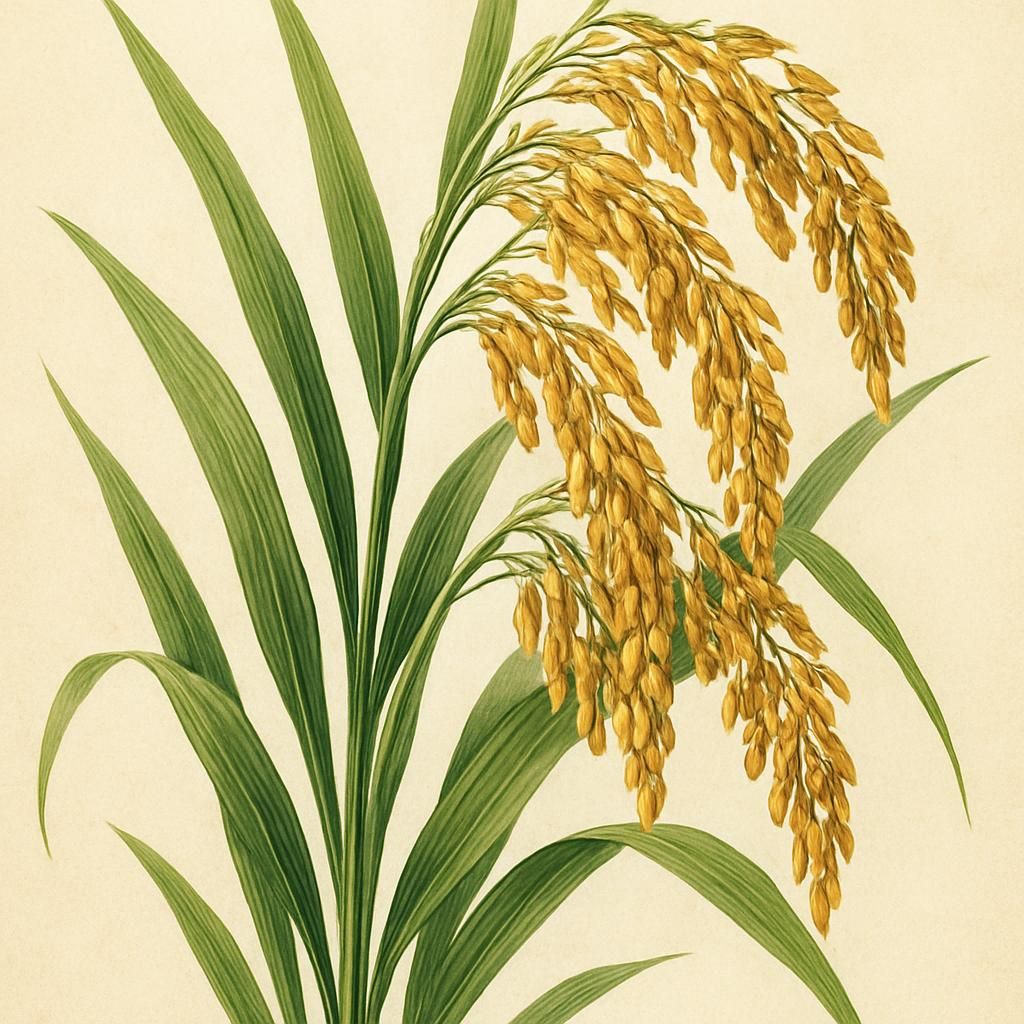
Introduction to Opus Rice
Opus Rice is a remarkable variety of Rice developed for its high yield and resilience. This variety is particularly popular among farmers aiming for efficient cultivation and sustainable harvests. The unique attributes of Opus Rice make it suitable for various climates, augmenting its demand among agriculturists worldwide.
Botanical Profile of Opus Rice
Opus Rice belongs to the species Oryza sativa, which is extensively cultivated for its edible grains. Characterized by its long stalks and lush green leaves, it undergoes a typical growth cycle like other rice varieties. However, Opus Rice distinguishes itself with its finer grain quality and greater resilience against common environmental stressors.
Soil, pH, and Climate Requirements for Opus Rice
For optimal growth, specific soil, pH, and climate conditions are essential.
| Factor | Ideal Conditions |
|---|---|
| Soil Type | Loamy, well-drained |
| Soil pH | 5.5 to 6.5 |
| Temperature Range | 20°C to 35°C |
| Rainfall | 1500 mm annually |
| Sunlight | Full sun |
Step-by-Step Planting & Propagation
- Seed Selection: Begin with high-quality Opus Rice seeds to ensure vigorous growth. Soak seeds in water for 24 hours to enhance germination rates.
- Land Preparation: Prepare the land by plowing and leveling to maintain even water distribution. Incorporate organic matter to enrich soil fertility.
- Planting: Sow seeds 2-3 cm deep, maintaining a spacing of 15-20 cm between plants. This facilitates ample growth space and nutrient access.
- Irrigation: Establish a controlled irrigation system, ensuring soil remains moist but not waterlogged.
- Weed Control: Early weed removal is crucial post-germination to prevent competition for nutrients.
Care & Maintenance Regimes for Opus Rice
Proper care during the growth cycle ensures a healthy and productive crop.
| Care Aspect | Schedule |
|---|---|
| Watering | 2-3 times per week |
| Fertilization | Every 4 weeks |
| Pruning | Post-harvest |
Regular monitoring for pests such as Spider Mites is critical to maintaining plant health.
Pests, Diseases & Organic Management
Opus Rice is susceptible to various pests and diseases, including stem borers and fungal attacks. Implementing organic management strategies such as crop rotation and organic pesticides can help mitigate these risks. For more advanced strategies, explore Crop Diseases Under the Microscope: 9 Organic Fixes for Small Farm Resilience.
Harvesting, Curing & Optimal Storage
- Harvesting: Generally harvested 120-150 days after planting once grains turn golden. Cut close to the base to ensure minimal loss.
- Curing: Allow the harvested rice to dry in a clean, dry place for approximately 10-14 days before storage.
- Storage: Store in a cool, dry environment in airtight containers to maintain grain quality and prevent mold formation.
Companion Planting for Opus Rice
Optimal companion plants for Opus Rice include Clover and Yarrow, which enhance soil nitrogen and deter pests. For further improvements, refer to Spring Companion Planting: 8 Organic Pairings to Maximize Small Farm Yields.