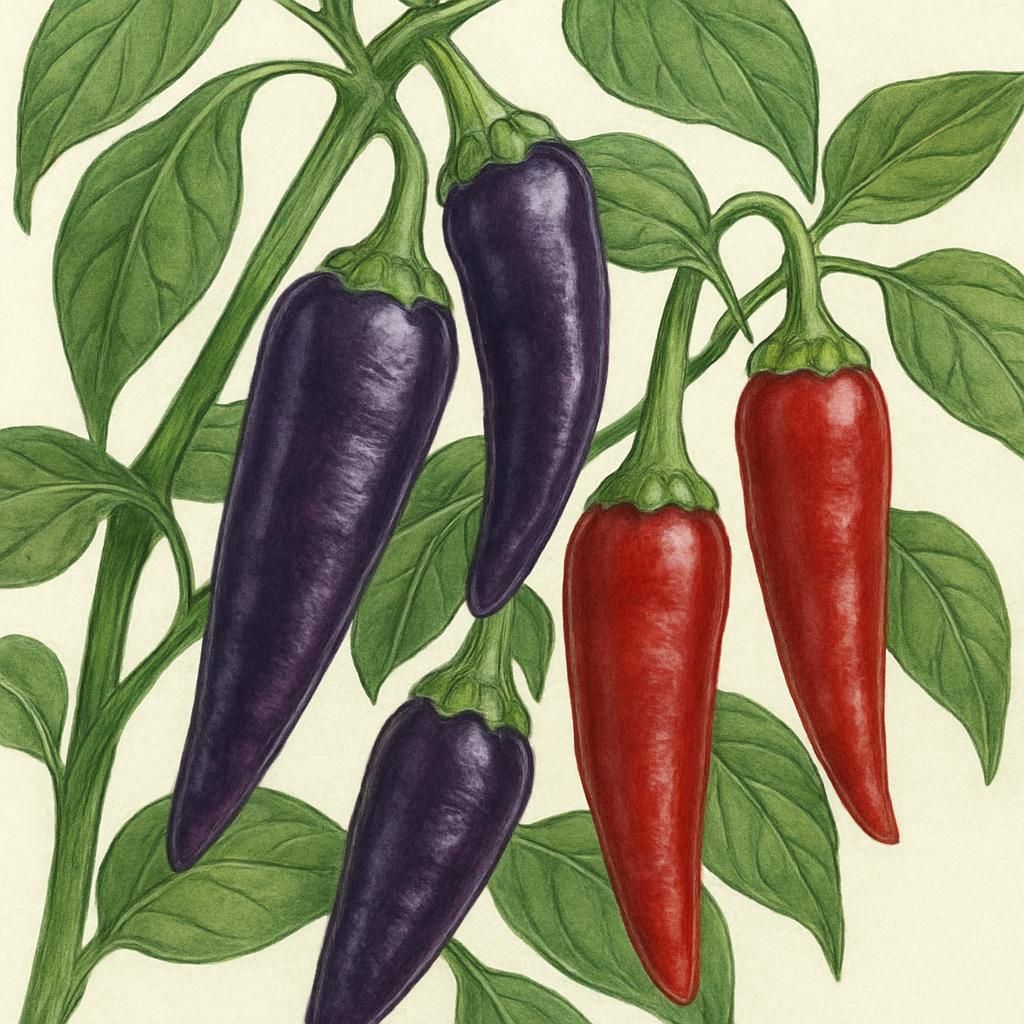
Introduction to Numex Centennial
Numex Centennial is an exceptional hybrid chili pepper developed for its striking ornamental appeal and delightful pungency. As a member of the Capsicum annuum species, it is a versatile plant that fits well in both ornamental gardens and culinary spaces. With vibrant purple flowers and a prolific array of purple fruit that ripens to a striking red, Numex Centennial is both a visual delight and a flavorful culinary addition.
Botanical Profile of Numex Centennial
Numex Centennial belongs to the Solanaceae family, which houses a multitude of economically significant plants. This variety distinguishes itself through its vibrant fruit colors and relatively compact size, making it ideal for ornamental use. The Numex Centennial has a bushy growth habit and prefers sunny environments that encourage its fruit to mature vividly.
Soil, pH, and Climate Requirements for Numex Centennial
To cultivate Numex Centennial successfully, it is crucial to understand its optimal growing conditions. The plant thrives in warm, frost-free zones with plenty of sunlight.
| Parameter | Ideal Condition |
|---|---|
| Soil Type | Sandy, Loamy |
| Soil pH | 6.0 - 7.5 |
| Climate | Warm, Frost-free |
| Sunlight | Full Sun |
| Water Drainage | Well-draining |
Step-by-Step Planting & Propagation
- Starting Seeds Indoors: Begin by planting seeds indoors approximately 8-10 weeks before the last frost date. Use a seed-starting mix and plant seeds about 1/4 inch deep.
- Transplanting: Once the seedlings have developed their second set of true leaves and outdoor temperatures remain consistently above 60°F (16°C), they can be transplanted outdoors. Ensure that the plants are spaced 12-18 inches apart to allow ample room for growth.
- Propagation: Besides seeds, Numex Centennial can be propagated through cuttings. Take 6-inch cuttings from healthy plants and root them in moist, well-draining soil.
Care & Maintenance Regimes for Numex Centennial
Numex Centennial requires careful attention during its growth phase, particularly in terms of watering, fertilizing, and pruning practices.
| Maintenance Task | Schedule/Frequency |
|---|---|
| Watering | Moderate; 1-2 inches per week |
| Fertilization | Monthly; balanced fertilizer |
| Pruning | Light pruning as needed |
Pests, Diseases & Organic Management
While relatively hardy, Numex Centennial is susceptible to certain pests and diseases. Spider Mites and aphids commonly affect these plants. Regular inspection and the use of organic solutions, like neem oil or insecticidal soap, can keep pest populations in check. As for diseases, utilizing crop rotation and ensuring good air circulation minimizes the risk of fungal infections.
Harvesting, Curing & Optimal Storage
When the fruits have turned completely red, they are ready for harvesting. Cut peppers carefully to avoid damage to the plant. Post-harvest, allow the peppers to cure in a warm, dry place for several days, enhancing their flavor. Store them in a cool, dry space for up to two weeks or freeze them for longer preservation.
Companion Planting for Numex Centennial
Numex Centennial thrives alongside plants such as Basil, which can deter pests and increase flavor complexity in the garden. Avoid planting near members of the nightshade family to mitigate the risk of shared diseases.
For those interested in a detailed examination of various culinary plants and their economic impact, explore The Economics of Basil: A Brutal Breakdown.