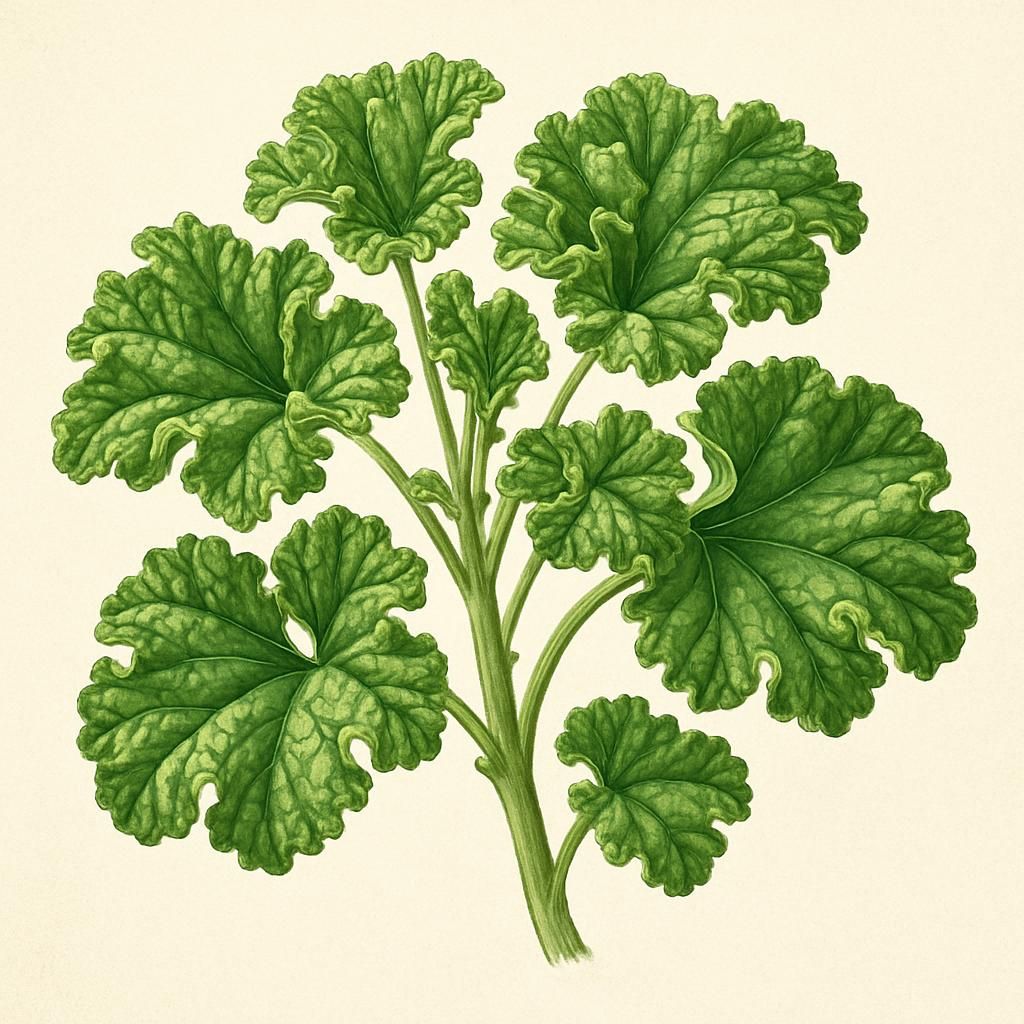
Introduction to Mallow (Curled)
Mallow (Curled), scientifically known as Malva crispa, is a vibrant and nutritious leafy green. Renowned for its curly, aesthetically-pleasing leaves, this plant is a versatile addition to both gardens and culinary dishes. Known for its adaptability, Mallow (Curled) can thrive in various climates, offering gardeners a robust and attractive crop.
Botanical Profile of Mallow (Curled)
Mallow (Curled) belongs to the Malvaceae family, which includes well-known relatives like hibiscus and cotton. This biennial plant is noted for its curly, serrated leaves and can reach heights of up to 1 meter. The plant produces small, pale pink flowers, but it is primarily cultivated for its foliage.
Soil, pH, and Climate Requirements for Mallow (Curled)
Mallow (Curled) is a resilient plant, but optimal growth requires specific soil and climate conditions. Ensuring the right environment is crucial for a bountiful harvest.
| Condition | Ideal Range |
|---|---|
| Soil Type | Loamy, well-drained |
| Soil pH | 6.0 - 7.5 |
| Temperature | 15°C - 25°C (59°F - 77°F) |
| Sunlight | Full sun to partial shade |
| Watering | Moderate |
Step-by-Step Planting & Propagation
Planting Mallow (Curled) is straightforward. Start by selecting high-quality seeds or seedlings.
- Site Selection: Choose a site that receives ample sunlight and has well-drained soil.
- Soil Preparation: Amend the soil with organic compost to enhance fertility.
- Sowing Seeds: Sow seeds 1 cm deep directly into the soil, spacing them about 30 cm apart.
- Watering: Water the seeds lightly after planting to initiate germination.
- Germination: Expect seedlings to emerge within 10-14 days.
- Thinning: Thin the plants to maintain appropriate spacing as they grow.
Care & Maintenance Regimes for Mallow (Curled)
Proper care ensures healthy plants and a thriving harvest. Below is a schedule to guide your Mallow (Curled) cultivation.
| Activity | Frequency | Description |
|---|---|---|
| Watering | Weekly | Ensure soil is moist but not waterlogged. |
| Fertilizing | Monthly | Use a balanced liquid fertilizer. |
| Pruning | Every 2 months | Remove diseased or overcrowded leaves. |
Pests, Diseases & Organic Management
Mallow (Curled) is relatively resilient, but still susceptible to certain pests and diseases.
- Spider Mites: Regularly inspect leaves and employ neem oil as a natural pesticide.
- Powdery Mildew: Improve air circulation and apply sulfur-based fungicides as needed.
- Snails: Handpick or use organic baits to manage snails, which can damage leaves.
For further strategies on managing pests, explore 7 Summer Pest Traps That Sabotage Small Farm Harvests.
Harvesting, Curing & Optimal Storage
Harvesting can begin when the leaves are large enough to use.
- Timing: Begin harvesting leaves when they are about the size of your hand.
- Method: Use clean, sharp scissors to cut leaves above the crown.
- Storage: Freshly harvested Mallow leaves can be stored in a refrigerator for up to a week.
- Curing: If drying, hang leaves in a dry, cool place until fully dehydrated.
Companion Planting for Mallow (Curled)
Companion planting can enhance growth and reduce pest invasions. Mallow (Curled) particularly benefits from being planted near crops such as Yarrow and Nasturtium, which can deter pests and enhance soil quality.
For more insights on optimizing your garden, refer to Summer Companion Planting: 10 Organic Pairings to Boost Small Farm Resilience.