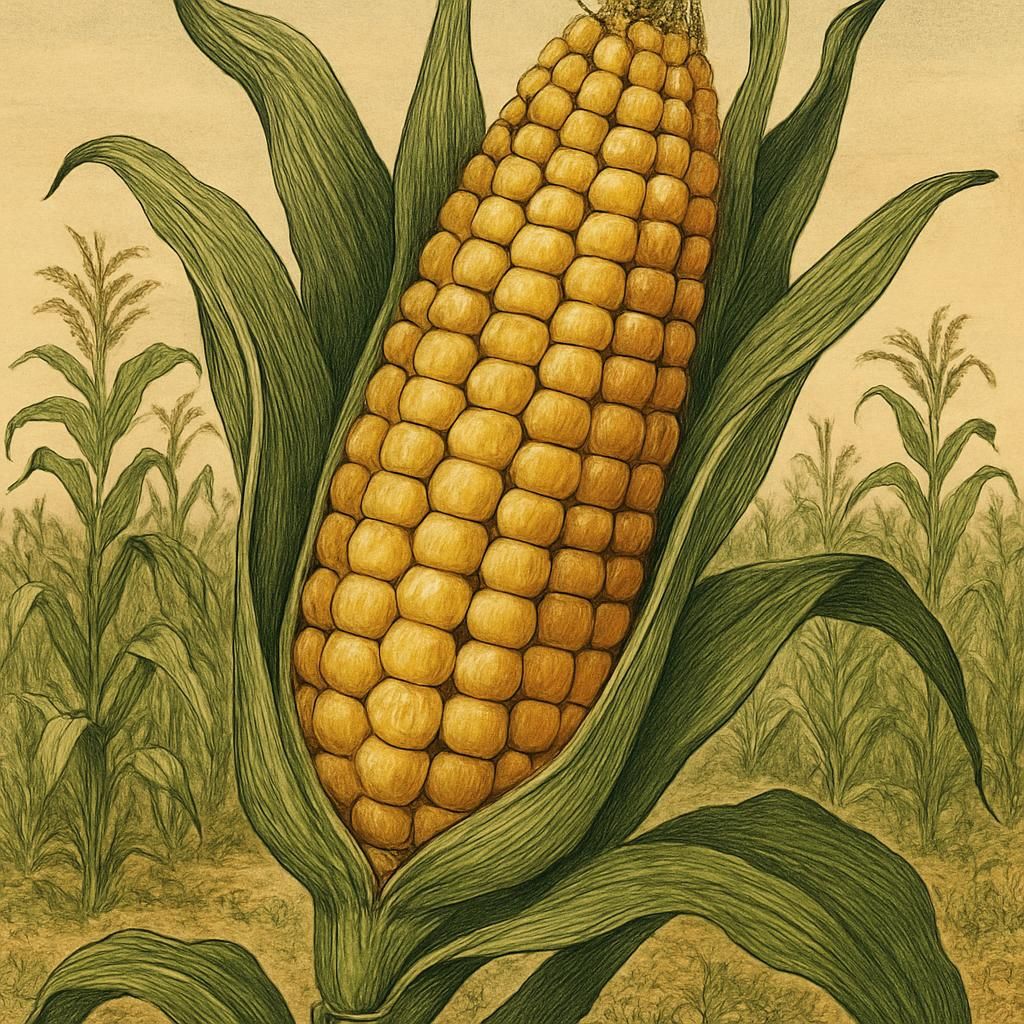
Introduction to Maize (Cacahuacintle)
Maize (Cacahuacintle) is a distinctive variety of corn notable for its plump, white kernels that swell to impressive sizes when cooked. Originally cultivated by indigenous peoples in Mexico, it remains a staple for dishes such as pozole due to its unique textural properties and flavor.
Botanical Profile of Maize (Cacahuacintle)
Cacahuacintle is a subspecies of Zea mays, specifically bred for its soft, starchy kernel. The plants typically grow between 2 to 3 meters tall, with high-yielding potential under optimal growing conditions.
Soil, pH, and Climate Requirements for Maize (Cacahuacintle)
Maize (Cacahuacintle) thrives in well-draining soils, rich in organic matter. It is moderately tolerant to a range of soil pH levels but prefers slightly acidic to neutral conditions. The climate should be warm, as extreme temperatures can affect germination and growth.
| Condition | Ideal Range |
|---|---|
| Soil Type | Loamy, well-draining |
| Soil pH | 6.0 - 7.0 |
| Temperature | 18°C - 32°C |
| Rainfall | 600 - 1200 mm/year |
Step-by-Step Planting & Propagation
- Seed Selection and Preparation: Begin by choosing quality seeds. Soak them in water for several hours to increase germination rates.
- Soil Preparation: Till the soil to a depth of 20 cm and incorporate well-rotted compost.
- Planting: Sow seeds 2.5 cm deep and 20 cm apart in rows separated by 70 cm for optimal growth.
- Germination and Thinning: Once seedlings emerge, thin to one plant every 20 cm.
- Weed Management: Regularly clear weeds to prevent competition for nutrients.
Care & Maintenance Regimes for Maize (Cacahuacintle)
Consistent care is crucial for maximizing yields. Monitoring water, nutrients, and plant health will ensure optimal development.
| Care Function | Schedule/Amount |
|---|---|
| Watering | 4-5 cm/week, adjust for rainfall |
| Fertilizer | NPK 5-10-10, applied monthly |
| Pruning | Remove lateral shoots as needed |
Pests, Diseases & Organic Management
Maize crops can be vulnerable to pests and diseases, such as the Corn Earworm and Common Rust. Integrated pest management (IPM) strategies, including the use of biological controls and organic sprays, can effectively mitigate these risks.
Harvesting, Curing & Optimal Storage
Harvesting: Typically occurs when kernels are full and firm. Ears are often harvested by hand to preserve quality.
Curing: After harvesting, allow ears to dry in a warm, ventilated area until kernels easily detach from the cob.
Storage: Store in a cool, dry place with humidity levels below 15% to prevent mold.
Companion Planting for Maize (Cacahuacintle)
Planting maize alongside other crops can enhance growth and deter pests. Good companions for Cacahuacintle include beans and squash, a combination known as the 'Three Sisters', which supports soil health and provides natural pest control.
For further details on enhancing small farm resilience through strategic companion planting, you might find the article Summer Companion Planting: 10 Organic Pairings to Boost Small Farm Resilience helpful.