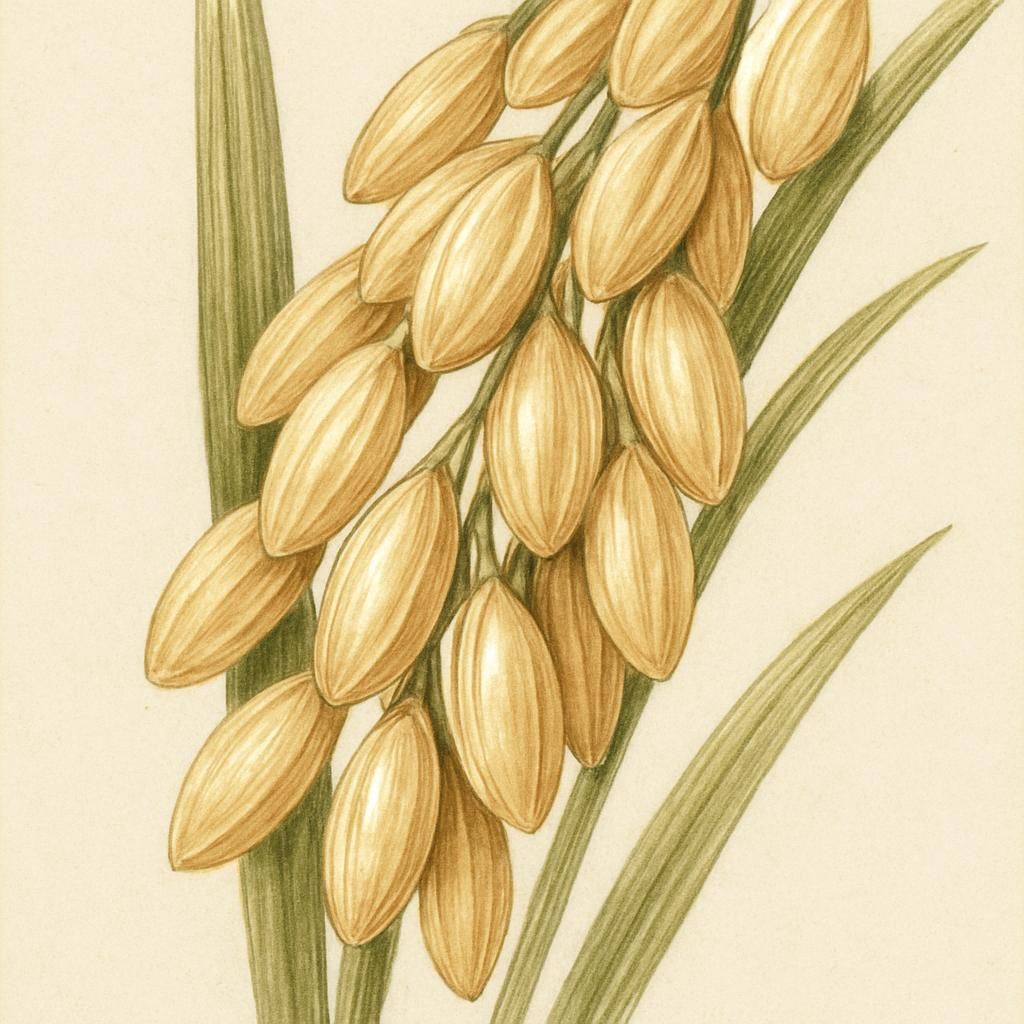
Introduction to Koshihikari (Niigata)
Koshihikari rice, a distinguished variety from Niigata Prefecture in Japan, stands out due to its excellent taste, texture, and aroma. This variety is cherished for its sticky texture and slightly sweet flavor, making it the perfect accompaniment to Japanese cuisine.
Botanical Profile of Koshihikari (Niigata)
Koshihikari falls under the Oryza sativa species, cultivated primarily in Japan. It is medium-grain rice and is revered for its lustrous appearance and aromatic qualities.
Soil, pH, and Climate Requirements for Koshihikari (Niigata)
Koshihikari rice thrives in specific soil and climate conditions that must be carefully adhered to for optimal growth. Here is a breakdown of the ideal conditions:
| Aspect | Ideal Condition |
|---|---|
| Soil Type | Well-draining, loamy |
| Soil pH | 5.5 - 6.5 |
| Climate | Temperate with sufficient rainfall |
| Temperature | 20°C - 30°C during the growing season |
Step-by-Step Planting & Propagation
- Seed Selection: Choose certified Koshihikari seeds for planting.
- Land Preparation: Ensure fields are level to allow proper water drainage. Prepare the soil with necessary amendments to achieve the ideal pH level.
- Sowing: Sow seeds in nurseries from March to April, ensuring a depth of approximately 2-3 cm in seedbeds.
- Transplanting: Transplant seedlings to the main field when they reach 15-20 cm in height, typically about 20-30 days after sowing. Space them 25 cm apart.
Care & Maintenance Regimes for Koshihikari (Niigata)
Proper care is essential for the healthy growth of Koshihikari rice:
| Care Activity | Schedule |
|---|---|
| Watering | Flood fields regularly; maintain 5-10 cm water coverage during growth |
| Fertilization | Apply NPK before transplanting; top-dress during tillering and panicle initiation |
| Weeding | Manual weeding or use of herbicide once during the early growth stage |
Pests, Diseases & Organic Management
Koshihikari rice can be affected by pests like Spider Mites and diseases such as blast and sheath blight. Biological management practices include:
- Rotating crops to prevent pest cycles.
- Introducing natural predators to manage pest populations.
- Applying Neem oil for organic pest control.
Harvesting, Curing & Optimal Storage
Harvest Koshihikari rice when grains are 80-90% mature, generally in September to October. Post-harvest, dry grains to reduce moisture content to about 13%. Store in airtight containers in cool, dry places to maintain quality.
Companion Planting for Koshihikari (Niigata)
Effective companion plants include Clover and Nasturtium, which help in nitrogen fixation and repel pests. Incorporating these can elevate the field ecosystem and enhance yield quality.
Additional insight into the intricate dynamics of crop rotation and companion planting strategies can be found in our blog Autumn Companion Planting Blunders.
For further understanding of rice cultivation techniques, visit the Rice page.