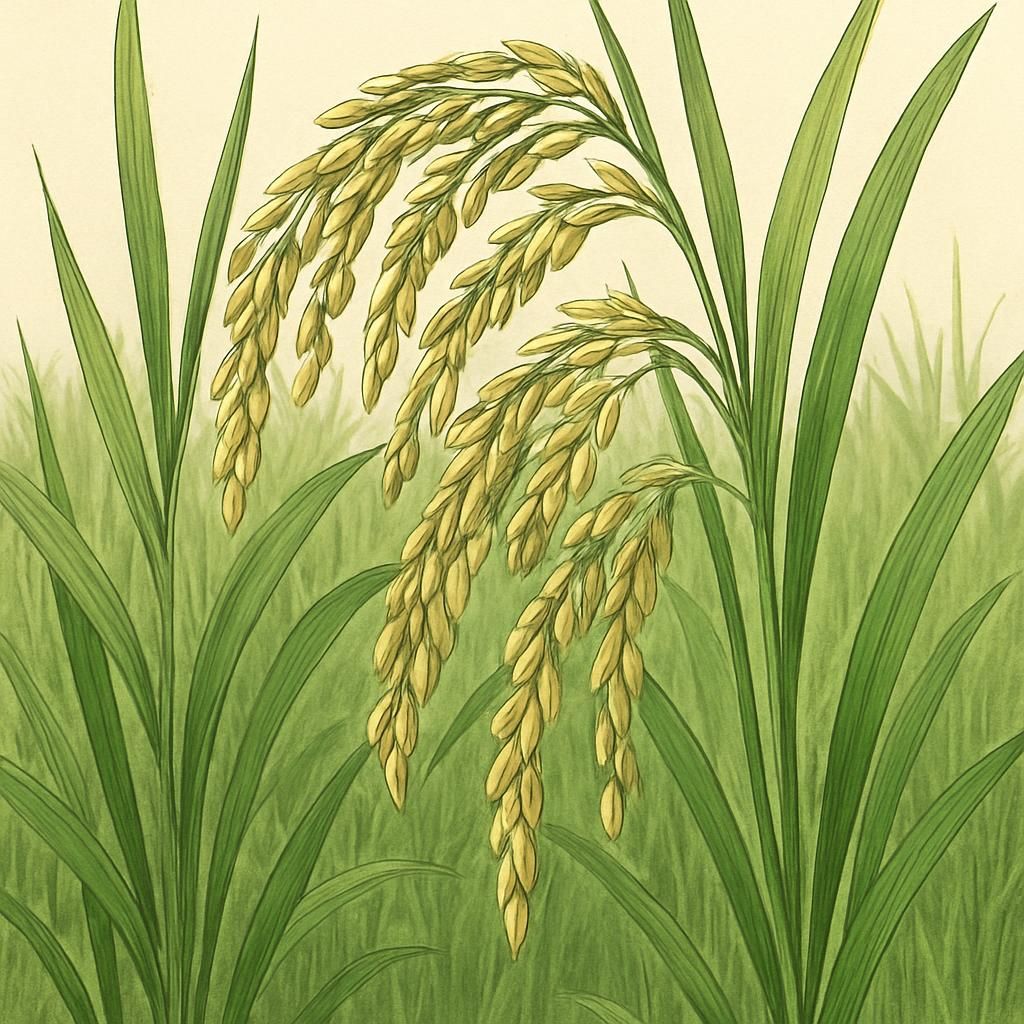
Introduction to Kasmati Rice
Kasmati Rice is a highly sought-after variety of aromatic rice, celebrated for its long grains and exquisite fragrance. As a staple food in many cultures, rice cultivation is both an art and a science, requiring careful attention to detail and environmental conditions.
Botanical Profile of Kasmati Rice
Kasmati Rice, scientifically referred to as Oryza sativa 'Kasmati', belongs to the grass family Poaceae. It is a long-day plant, which means it requires longer periods of daylight to flourish. The grains are slender and elongated, and the plant prefers a hot, humid climate conducive to its growth cycle.
Soil, pH, and Climate Requirements for Kasmati Rice
Growing Kasmati Rice requires specific conditions. The quality of the soil, ideal pH, and climate are crucial for optimal yields.
| Factor | Ideal Conditions |
|---|---|
| Soil Type | Loamy, Well-drained |
| Soil pH | 5.5 to 6.5 |
| Temperature | 25°C to 35°C |
| Rainfall | 1,200 to 1,500 mm/year |
Step-by-Step Planting & Propagation
To plant Kasmati Rice, begin by selecting a location with appropriate conditions, as mentioned above. Prepare the soil by plowing and leveling it to ensure even water distribution. Use high-quality seeds and soak them in water for 24 hours before sowing. The seeds should be planted 2-3 cm deep in well-prepared fields, typically during the early monsoon season.
Care & Maintenance Regimes for Kasmati Rice
Effective care and maintenance involve proper irrigation, fertilization, and pest management.
| Task | Schedule/Frequency |
|---|---|
| Watering | Keep soil consistently moist |
| Fertilization | Use nitrogen-rich fertilizers every 4 weeks |
| Pruning | Not applicable as rice is an annual crop |
Pests, Diseases & Organic Management
Kasmati Rice can be vulnerable to pests like Spider Mites and diseases like blast and sheath blight. Employing integrated pest management strategies, such as biological control and organic pesticides, can effectively minimize infestations. Regular monitoring and maintaining field hygiene help mitigate disease spread.
Harvesting, Curing & Optimal Storage
Kasmati Rice is typically ready for harvest 120-150 days post-planting. Ensure the grains are fully mature and remove any excess moisture. The harvested rice should be dried, threshed, and stored in a ventilated, airtight facility to prevent mold and insect infestations.
Companion Planting for Kasmati Rice
Companion planting with compatible crops like Soybeans and Nasturtium can enhance soil fertility and deter pests naturally.
For advanced strategies on small farm resilience and crop management, refer to the Crop Diseases Under the Microscope: 9 Organic Fixes for Small Farm Resilience post.