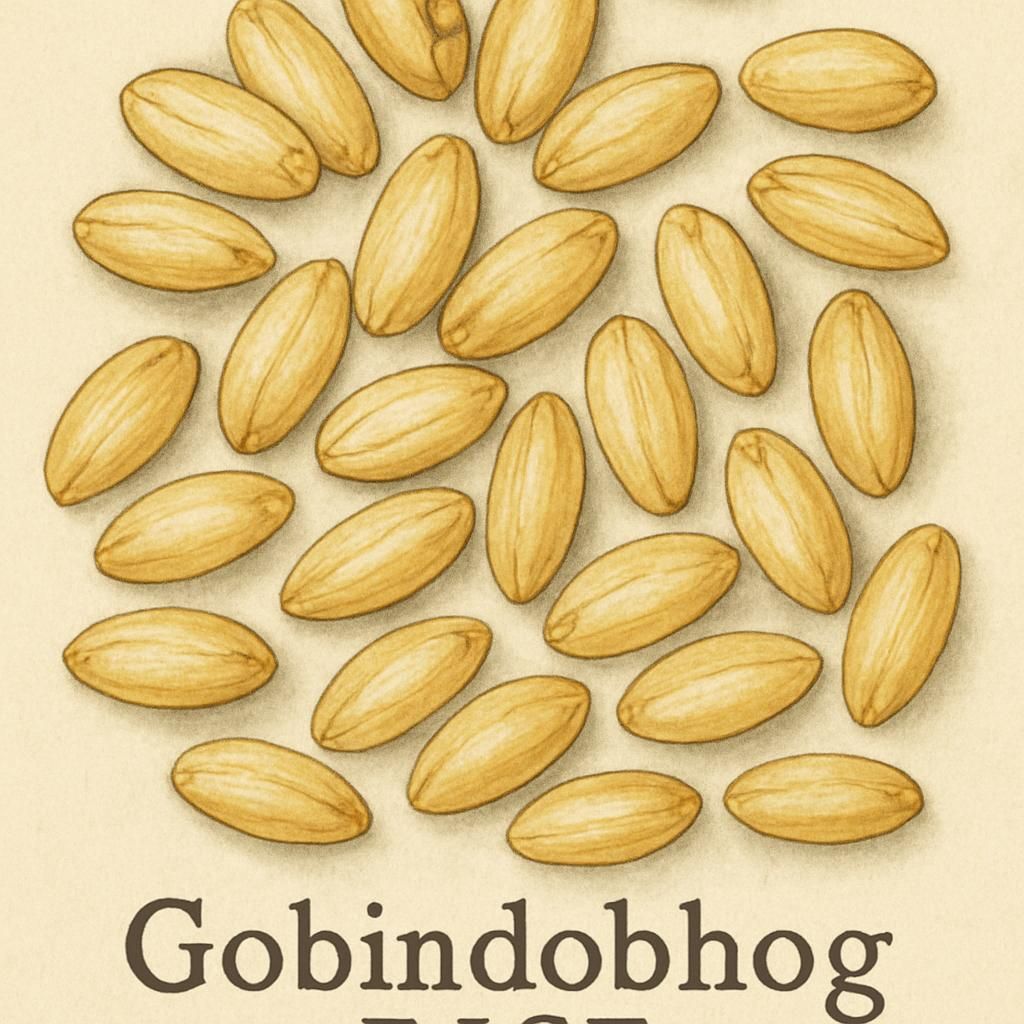
Introduction to Gobindobhog Rice
Gobindobhog Rice, native to West Bengal in India, is a short-grain, aromatic white rice. It is famed for its exceptional aroma and delectable taste, making it a crucial ingredient in Bengali culinary traditions. Its applications range from simple meals to festive dishes, thus holding a significant cultural importance.
Botanical Profile of Gobindobhog Rice
Gobindobhog Rice belongs to the genus Oryza and is categorized under the species Oryza sativa. The rice grains are short and plump, renowned for their unique texture and fragrance. This variety is primarily cultivated during the monsoon season.
Soil, pH, and Climate Requirements for Gobindobhog Rice
Optimal growing conditions for Gobindobhog Rice include well-drained, fertile soils. The warm and humid climate typical of its native region is ideal for cultivation.
| Condition | Ideal Parameters |
|---|---|
| Soil Type | Loamy, Alluvial |
| Soil pH | 5.5 - 7.0 |
| Temperature | 24 - 30°C (75 - 86°F) |
| Rainfall | 1000 - 1500 mm |
Step-by-Step Planting & Propagation
- Seed Selection: Choose high-quality Gobindobhog seeds from a reliable source.
- Land Preparation: Plow the field thoroughly to create a smooth bed. Opt for raised beds in areas with excessive rain.
- Sowing: Sow seeds directly or use the transplanting method where seedlings are raised in a nursery before shifting to the field.
- Spacing: Maintain a spacing of 15 x 15 cm between plants for optimal growth.
Care & Maintenance Regimes for Gobindobhog Rice
Proper care ensures healthy growth and an abundant yield.
| Aspect | Details |
|---|---|
| Watering | Keep the field flooded initially |
| Fertilizer | Use NPK mix (25:12:15) at intervals |
| Pruning | Not required |
Pests, Diseases & Organic Management
Gobindobhog Rice can be affected by various pests and diseases. Common pests include Stem Borers and Rice Weevils, while common diseases encompass Blast and Root Rot. Organic approaches like Neem oil applications and Trichoderma can assist in managing these issues. Additional strategies can be found in the blog post Crop Diseases Under the Microscope: 9 Organic Fixes for Small Farm Resilience.
Harvesting, Curing & Optimal Storage
Harvest Gobindobhog Rice when the grains start to turn golden. Perform a moisture test to ensure the grains are around 20% moisture content before harvesting. Post-harvest, dry the grains in the sun to reduce moisture levels further, enhancing their shelf life.
Companion Planting for Gobindobhog Rice
Companion planting with crops like Soybeans or Sesame can improve soil fertility. For a detailed look at companion planting strategies, visit Summer Companion Planting: 10 Organic Pairings to Boost Small Farm Resilience.