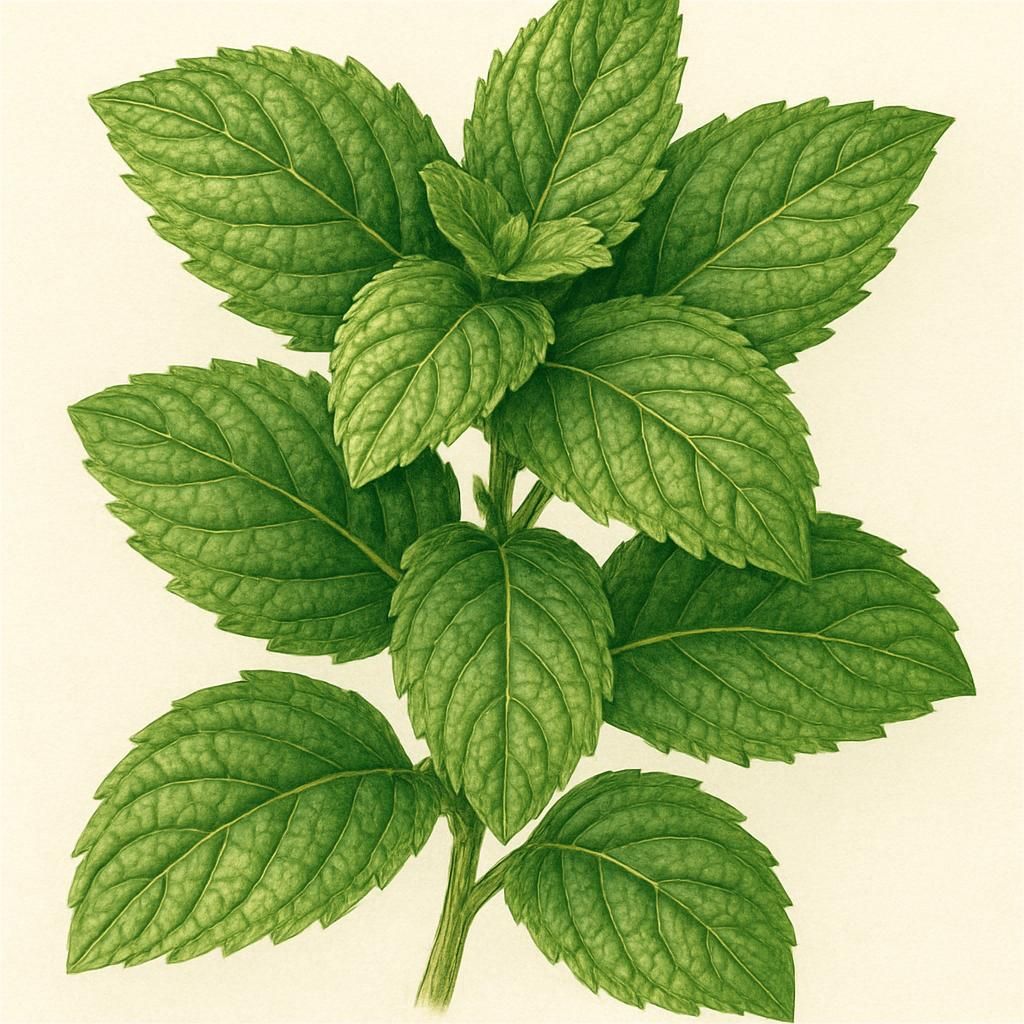
Introduction to Ginger Mint
Ginger Mint, Mentha x gracilis 'Ginger', is a remarkable perennial herb known for its invigorating ginger-scented leaves. Not only is it valued for its aromatic and culinary properties but it is also ornamental, adding texture and greenery to gardens. Its bright green, deeply veined leaves make it a visual delight.
Botanical Profile of Ginger Mint
As a member of the Lamiaceae family, Ginger Mint is a sterile hybrid, typically propagated through cuttings rather than seeds. It features lance-shaped leaves that emit a pleasant ginger fragrance when crushed. This mint variety blooms from late spring to early summer, producing small lilac to white flowers that attract pollinators.
Soil, pH, and Climate Requirements for Ginger Mint
Ginger Mint is not highly demanding and adapts to a variety of conditions. It flourishes in well-drained soils, preferring organic-rich substrates for optimal growth.
| Soil Type | pH Range | Climate |
|---|---|---|
| Loam, Clay | 6.0-7.0 | Temperate, Cool Temperate |
Step-by-Step Planting & Propagation
To start growing Ginger Mint, choose a location that provides partial to full sun exposure.
- Soil Preparation: Amend the soil with organic matter to improve drainage and nutrient content. Ensure the site has good air circulation.
- Planting Time: For best results, plant cuttings in early spring to ensure they establish before warmer temperatures.
- Propagation: Harvest healthy cuttings from the parent plant, remove lower leaves, and plant them in wet potting soil. Keep moist till new roots develop.
- Spacing: Space plants 12-18 inches apart to accommodate their spreading habit.
Care & Maintenance Regimes for Ginger Mint
Regular care will enhance the health and growth of Ginger Mint plants.
| Water Needs | Fertilizing Schedule | Pruning Schedule |
|---|---|---|
| Moderate, weekly | Monthly balanced fertilizer | Early spring or fall |
Moderate watering is essential, particularly in dry conditions, to maintain soil moisture. Fertilize with a balanced fertilizer monthly during the growing season to support leaf production. Trim plants regularly to encourage bushier growth and prevent leggy stems.
Pests, Diseases & Organic Management
Ginger Mint is relatively resistant to pests and diseases, but issues can still arise. Common problems include Spider Mites and aphids. Maintain cleanliness and promote air circulation to minimize infestations.
- Pest Control: Use neem oil or insecticidal soap to control pests like aphids. Regularly inspect plants for any signs of pest activity.
- Fungal Infections: Should powdery mildew develop, remove infected leaves and apply a baking soda solution as a preventive measure.
- Organic Practices: Incorporate companion planting techniques to deter pests naturally.
Harvesting, Curing & Optimal Storage
Ginger Mint can be harvested as needed once the plant has developed sufficient foliage. Cut stems in the morning after the dew has dried for optimal flavor.
- Drying: If preserving for later use, hang bunches in a dark, airy space to dry completely.
- Curing: Store dried leaves in an airtight container to retain aroma and flavor.
- Fresh Use: Freshly harvested leaves can be stored in the refrigerator for short-term use.
Companion Planting for Ginger Mint
Companion planting enhances the growth environment while naturally deterring pests. Ginger Mint grows well alongside Thyme, Marigold, and Basil. These plants can boost each other's growth and provide a synergistic habitat in your garden.
For more advanced insights on planting strategies, refer to our blog on Crop Rotation Realities: 6 Organic Patterns That Deliver for Small Farms. Enjoy the aromatic delight and healthy benefits Ginger Mint will bring to your culinary and gardening experiences.