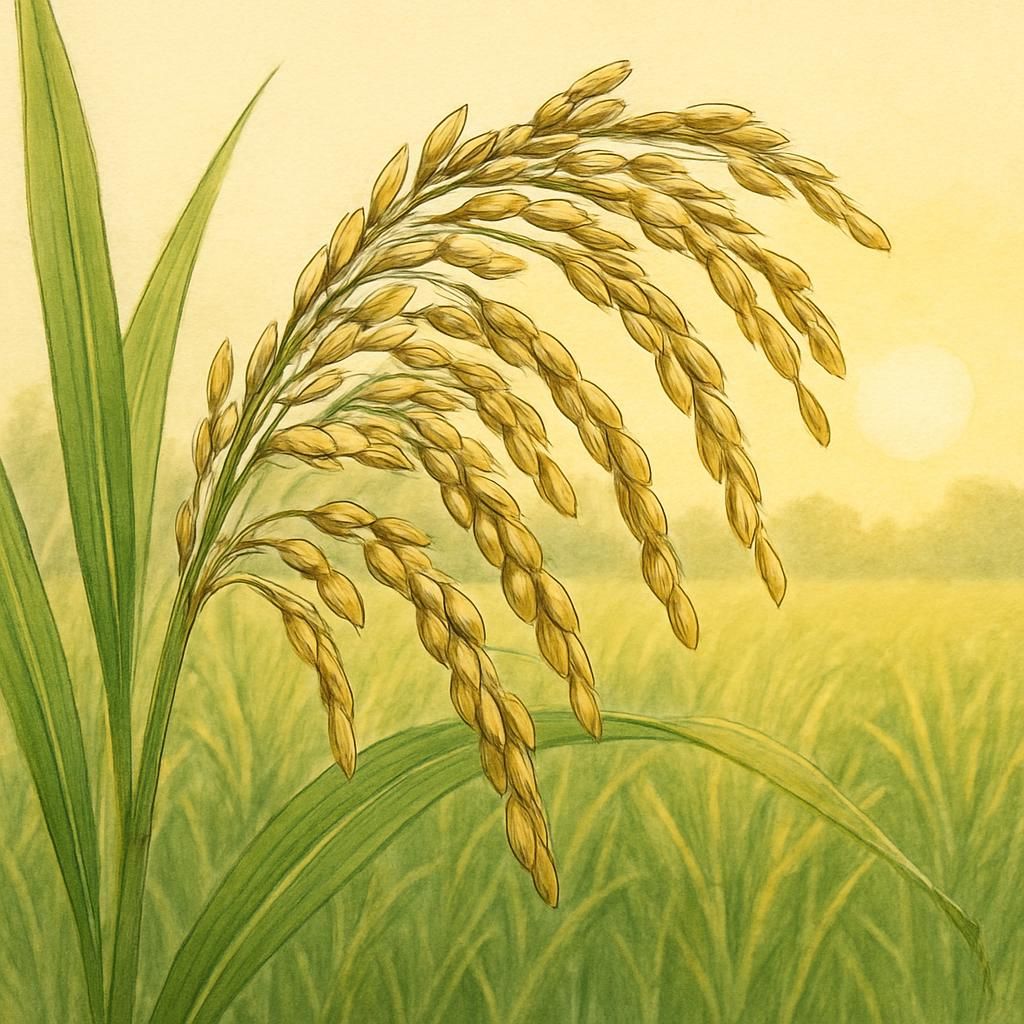
Introduction to Gandhakasala Rice
Gandhakasala Rice, a highly aromatic and traditional rice variety, originates from the Wayanad district of Kerala, India. Known for its extraordinary fragrance reminiscent of sandalwood, this rice holds cultural and culinary significance. It is predominantly grown by traditional farmers in the hilly terrains of Kerala, often used in celebratory feasts and ceremonies due to its appealing aroma and texture.
Botanical Profile of Gandhakasala Rice
The Gandhakasala rice belongs to the species Oryza sativa, the common Asian rice. This variety is classified as a long-grain rice, characterized by its slender, lustrous grains. It can be distinguished from other rice types by its fragrance, which develops as the grains mature. The plant grows to a moderate height and requires specific agronomic practices that cater to its soil and water needs.
Soil, pH, and Climate Requirements for Gandhakasala Rice
To ensure optimal growth and enhance the aromatic properties of Gandhakasala Rice, specific soil, pH, and climate conditions must be met.
| Factor | Ideal Condition |
|---|---|
| Soil Type | Loamy, well-drained |
| Soil pH | 5.5 - 6.5 |
| Climate | Warm, humid, tropical |
| Temperature | 20°C - 35°C |
This variety thrives in monsoon-fed regions where the climate mimics its native environment. The tropical climate of Kerala, with its ample rainfall, is particularly beneficial for this rice crop.
Step-by-Step Planting & Propagation
Seed Selection and Preparation: Use certified and disease-free seeds to ensure healthy crop development. Pre-soak seeds in water for 24 hours prior to planting.
Land Preparation: Clear the field of any previous debris and weeds. Plow the soil to make it fine and smooth. The field should be flooded with water to allow for easy transplantation.
Sowing and Transplanting: Sow seeds in a nursery bed, then transplant seedlings to the main field approximately 25 to 28 days after sowing. The planting should ensure a distance of about 20 cm between rows to allow for adequate aeration.
Water Management: Ensure consistent water supply. Fields should be wet without standing water, especially during the flowering stage.
Nutrient Management: Apply organic compost and balanced fertilizers containing nitrogen, phosphorus, and potassium to support healthy growth.
Care & Maintenance regimes for Gandhakasala Rice
Key to a successful Gandhakasala rice yield is meticulous attention to watering, fertilization, and disease control.
| Activity | Frequency |
|---|---|
| Watering | Regular flooding |
| Fertilizing | 3 times per season (Pre-sowing, Mid-tillering, Grain-filling stages) |
| Weeding | Every 30 days |
Important points include monitoring for any signs of nutrient deficiencies, ensuring soil health, and maintaining cleanliness within the rice paddies to prevent disease and pest infestation.
Pests, Diseases & Organic Management
Gandhakasala Rice, like all types of rice, can be affected by various pests and diseases. Key concerns include Spider Mites and fungal diseases. Implementing organic practices is crucial to maintaining crop health.
- Integrated Pest Management (IPM): Regular monitoring of pest activity, using biological pest control such as introducing natural predators.
- Disease Prevention: Use resistant variety seeds and maintain aeration within fields.
- Organic Farming: Employ organic pesticides and utilize crop rotation to enhance soil quality and minimize pests.
For further reading on managing crop diseases organically, visit the Crop Diseases Under the Microscope: 9 Organic Fixes for Small Farm Resilience blog post.
Harvesting, Curing & Optimal Storage
Gandhakasala rice reaches maturity approximately 130 days post-sowing. Once grains achieve a golden hue, they are ready for harvest. Rice should be harvested during dry weather to prevent moisture damage.
- Harvesting: Manual or mechanized harvesting can be employed.
- Curing: Allow rice to dry under the sun for several days. Proper curing enhances aroma retention and grain quality.
- Storage: Store dried rice in cool, dry conditions in airtight containers to maintain freshness and prevent mold and pests.
Companion Planting for Gandhakasala Rice
Employing companion planting can enhance soil fertility and pest management. Suitable companions for rice include legumes such as Soybeans which can fix nitrogen in the soil, enhancing overall rice health.
Explore companion planting further and avoid common blunders by checking out the Summer Companion Planting: 10 Organic Pairings to Boost Small Farm Resilience blog post.