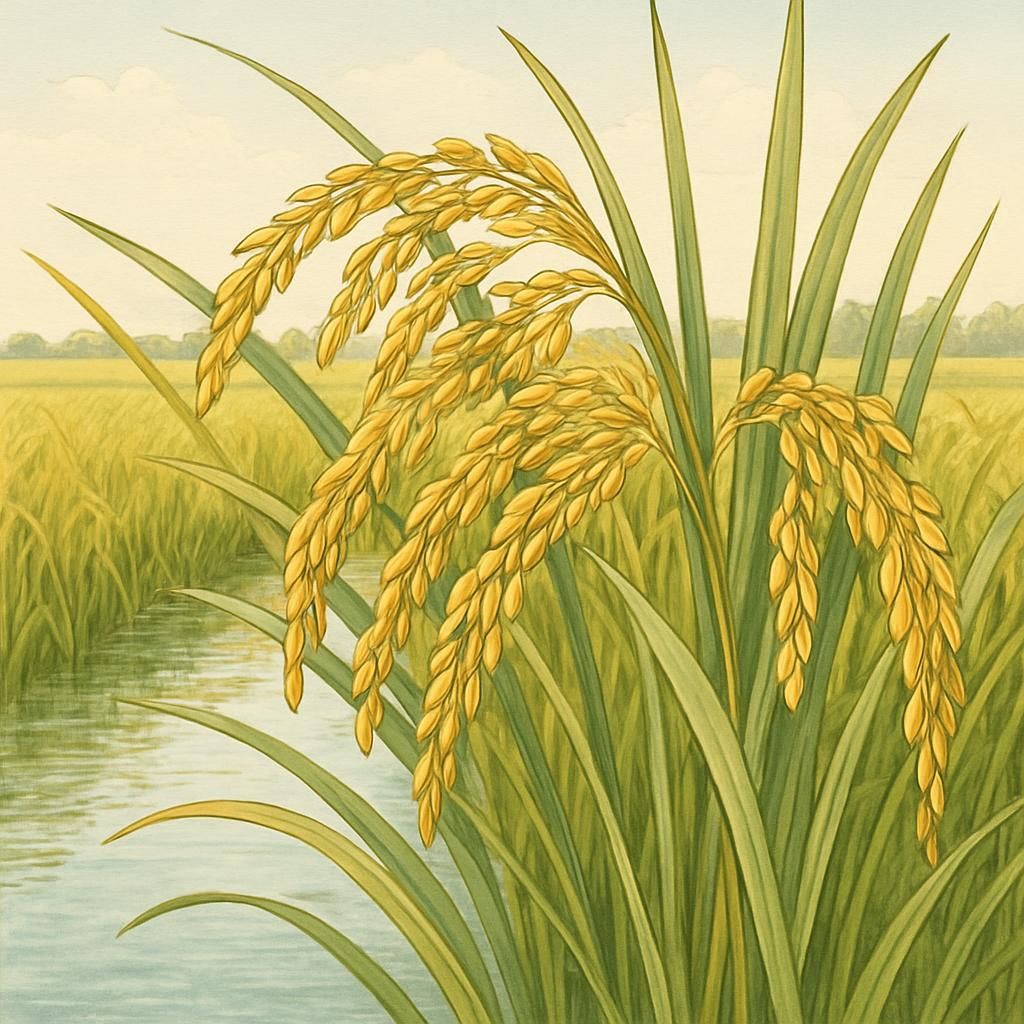
Introduction to Floating Rice (Mekong Delta)
Floating rice is a unique form of rice cultivation adopted in the Mekong Delta, characterized by its adaptability to rising and falling water levels. This traditional form of agriculture has been practiced for centuries, providing both food security and sustainable livelihoods for the rural communities.
Botanical Profile of Floating Rice (Mekong Delta)
Scientifically known as Oryza sativa, floating rice is closely related to other rice varieties but differs due to its remarkable ability to grow in varying water depths. These plants exhibit elongated stems allowing them to stay above floodwaters, ensuring photosynthesis and growth continue unimpeded.
Soil, pH, and Climate Requirements for Floating Rice (Mekong Delta)
Floating rice requires specific environmental conditions to thrive. Below is a table reflecting the ideal growth conditions:
| Factor | Ideal Conditions |
|---|---|
| Soil Type | Clayey, loamy |
| Soil pH | 5.0 - 6.5 |
| Temperature | 24°C - 30°C |
| Water Depth | 1-4 meters during floods |
Step-by-Step Planting & Propagation
- Site Selection: Opt for fields prone to seasonal flooding.
- Seed Selection: Choose seeds from reliable sources known for high yield and resistance to pests.
- Sowing: Sow seeds before the start of regular floods, ensuring they germinate in moist soil conditions.
- Transplanting: Once seedlings reach a suitable height, transplant them to areas that will adequately flood.
Care & Maintenance Regimes for Floating Rice (Mekong Delta)
Maintaining floating rice involves a careful balance of water management and pest control. Below is a table to guide the care and maintenance schedule:
| Task | Timing/Frequency |
|---|---|
| Watering | Natural flood cycles |
| Fertilizing | Twice during the growing season |
| Pruning | Remove weak stems as needed |
Pests, Diseases & Organic Management
Floating rice is susceptible to pests like spider mites and certain diseases spread in wet conditions, such as blast and bacterial blight. To manage these, employ integrated pest management strategies, utilizing natural predators and organic treatments like neem oil.
For more detailed strategies on pest management, refer to 7 Summer Pest Traps That Sabotage Small Farm Harvests.
Harvesting, Curing & Optimal Storage
Harvesting typically begins when rice grains reach full maturity and begin to turn golden. Use sickles for cutting stalks, allowing them to naturally dry in the field before threshing. Store grains in cool, dry, and pest-free environments to maintain quality.
Companion Planting for Floating Rice (Mekong Delta)
Floating rice benefits from companion planting with legumes like soybeans or mung beans, which enrich the soil with nitrogen, promoting healthy rice plant growth.
For a broader understanding of companion planting, explore articles such as Summer Companion Planting: 10 Organic Pairings to Boost Small Farm Resilience.