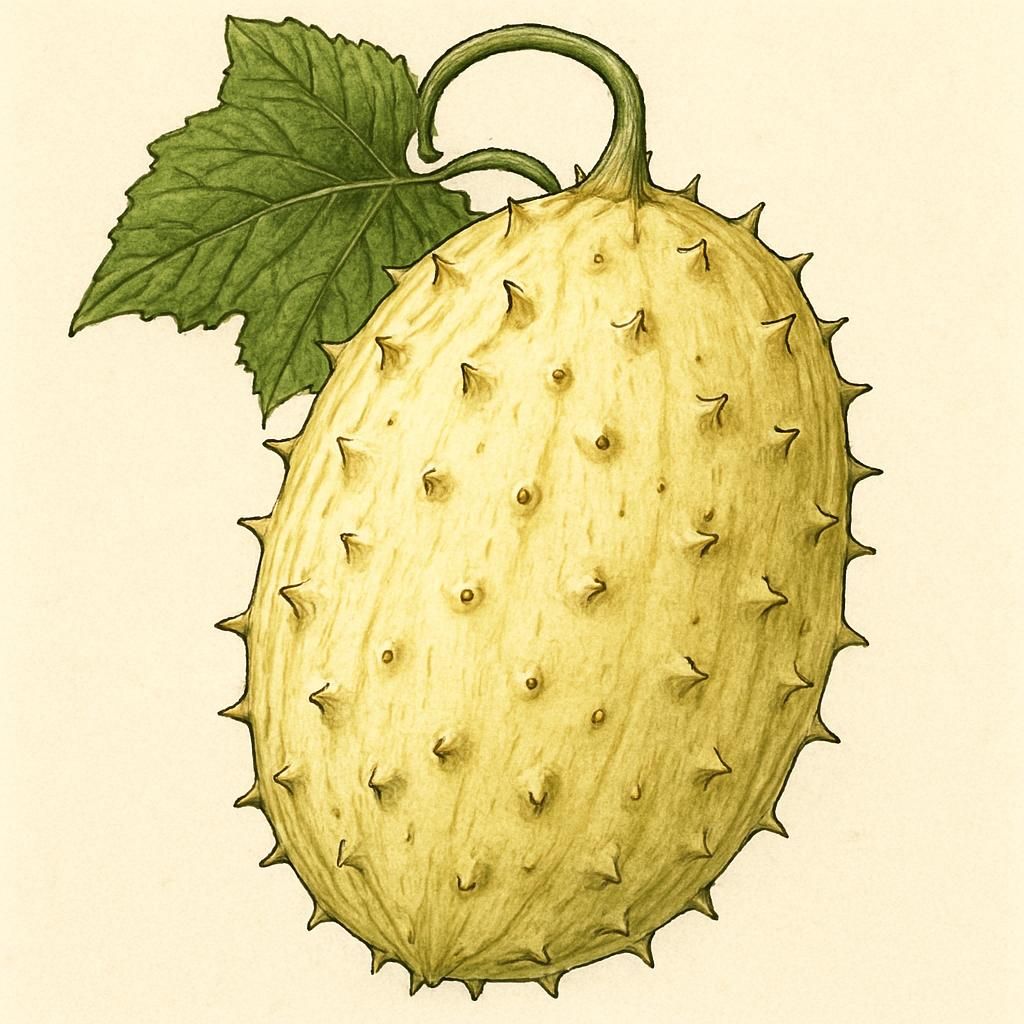
Introduction to Cucumber (Dragon’s Egg)
The Dragon’s Egg cucumber is a striking heirloom variety that stands out due to its distinct appearance. Unlike traditional green cucumbers, Dragon's Egg cucumbers bear pale, oval fruits that resemble a dragon's egg in folklore. This unique cultivar is celebrated not only for its visual appeal but also for its excellent taste. Gardeners appreciate the Dragon's Egg cucumber for its mild flavor and firm texture, making it a versatile addition to any summer salad or culinary dish.
Botanical Profile of Cucumber (Dragon’s Egg)
Cucumis sativus ‘Dragon’s Egg’ belongs to the Cucurbitaceae family, which includes various gourds and melons. This particular variety is an annual plant that thrives in warm temperatures and full sun conditions. Its vines can grow significantly long, requiring substantial space or support for optimal fruit development. The creamy white, oval-shaped fruits set this cucumber apart from more typical, green-skinned cultivars.
Soil, pH, and Climate Requirements for Cucumber (Dragon’s Egg)
Below is a table detailing the ideal soil, pH, and climate conditions for growing Dragon’s Egg cucumbers:
| Factor | Ideal Condition |
|---|---|
| Soil Type | Well-draining, fertile loam |
| pH Level | 6.0 - 6.8 |
| Temperature | 70°F - 85°F (21°C - 29°C) |
| Sunlight | Full sun |
| Humidity | Moderate |
Step-by-Step Planting & Propagation
- Seed Starting: Begin indoor seed starting 3-4 weeks before the last frost date. Sow seeds about 1/2 inch deep in seed-starting trays.
- Transplanting: Once the seedlings have two true leaves, and all danger of frost has passed, they can be transplanted outdoors after hardening off.
- Site Preparation: Choose a sunny location with well-drained soil. Enhance the soil by incorporating compost or well-rotted manure to boost fertility.
- Planting Distance: Space the young plants about 36 inches (90 cm) apart to allow room for vine growth.
- Support: Provide trellises or stakes for the vines to climb, which supports the plant and encourages straight fruit growth.
Care & Maintenance Regimes for Cucumber (Dragon’s Egg)
Here is a schedule for watering, fertilizing, and pruning:
| Task | Frequency | Details |
|---|---|---|
| Watering | 1-2 per week | Deep watering, avoid wet leaves |
| Fertilizing | Bi-weekly | Balanced fertilizer (10-10-10) |
| Pruning | As needed | Remove old or diseased leaves |
Maintain consistent moisture in the soil without overwatering. Mulching can help retain soil moisture and suppress weeds. Stake or train vines early to avoid damage.
Pests, Diseases & Organic Management
Dragon’s Egg cucumbers, like their relatives, can be affected by pests and diseases. Common pests include Cucumber Beetles and Spider Mites. These can be managed using organic pesticides such as neem oil or insecticidal soap.
Diseases may include Powdery Mildew and Fusarium Wilt. Proper spacing and airflow reduce fungal infections, and crop rotation helps prevent soil-borne diseases.
For more detailed organic management strategies, read our blog on Crop Diseases Under the Microscope: 9 Organic Fixes for Small Farm Resilience.
Harvesting, Curing & Optimal Storage
Harvest Dragon’s Egg cucumbers when they reach about the size of an egg, roughly 2-3 inches in diameter. The skin should feel firm and smooth. Prompt harvesting encourages further fruit production.
Store the harvested cucumbers in a cool, dry place. They can be refrigerated for up to two weeks. Avoid storing cucumbers in direct sunlight or overly humid conditions.
Companion Planting for Cucumber (Dragon’s Egg)
Dragon’s Egg cucumbers benefit from companion planting with crops such as Beans, Peas, and Marigolds. These companions can assist in pest management and improve overall plant health.
For more insights into maximizing yield through smart planting strategies, explore our recommendations in Spring Companion Planting: 8 Organic Pairings to Maximize Small Farm Yields.