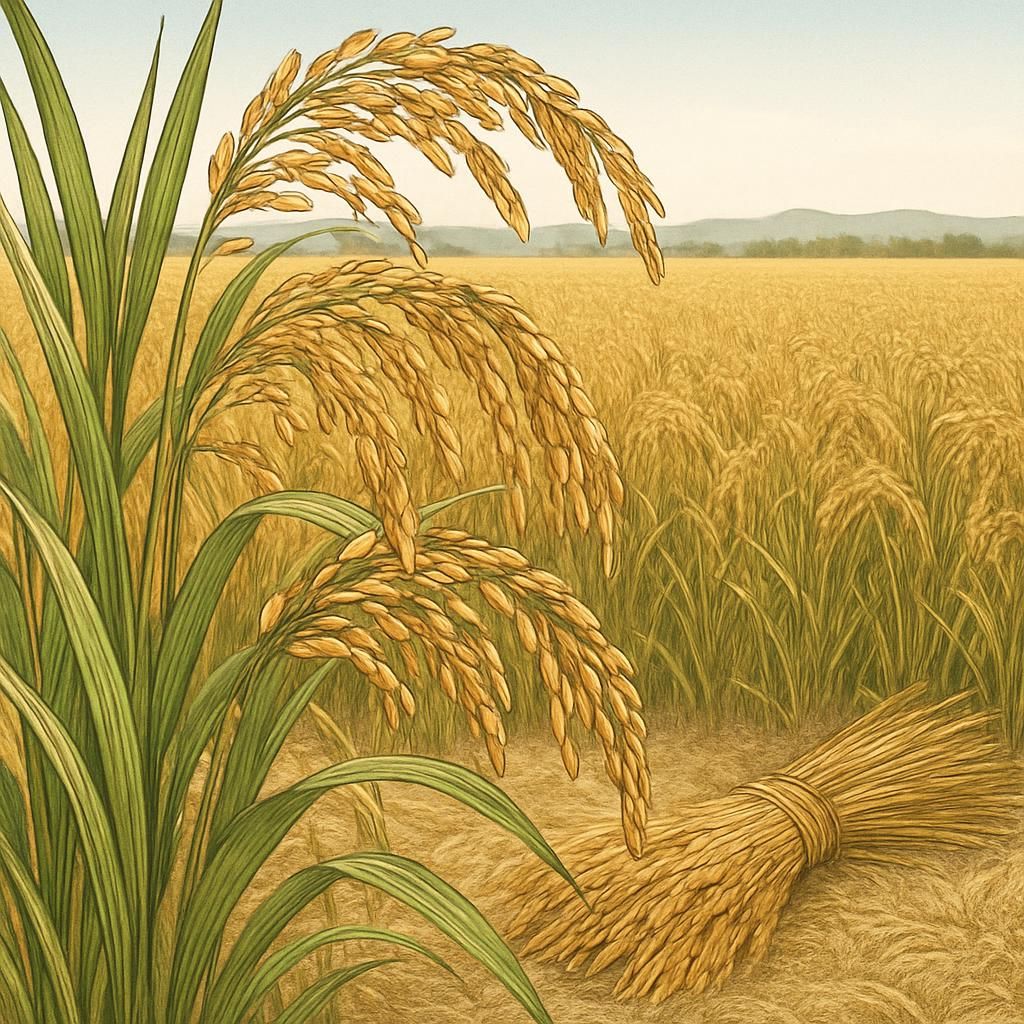
Introduction to Calasparra (Sana)
Calasparra (Sana) rice is one of Spain's most distinguished rice varieties, cultivated in the unique agricultural environment of the Calasparra region. Known for its exceptional quality and culinary versatility, Calasparra rice is a staple in traditional Spanish dishes, particularly in the famous paella. Its ability to absorb liquid and flavor while maintaining a firm texture makes it highly valued among chefs and home cooks alike.
Botanical Profile of Calasparra (Sana)
Calasparra rice, scientifically known as Oryza sativa, is part of the Poaceae family. It is an annual grass that grows in paddies naturally fed by mountain water select from the Segura and Mundo rivers. This rice variety is characterized by its short to medium grain, which is ideal for absorbing flavors in various Mediterranean dishes.
Soil, pH, and Climate Requirements for Calasparra (Sana)
Calasparra rice thrives in specific soil and climate conditions. The unique terroir of its traditional growing region contributes greatly to its quality.
| Parameter | Ideal Conditions |
|---|---|
| Soil Type | Clay loam, rich in organic matter |
| Soil pH | 6.0 - 6.8 |
| Climate | Mediterranean, with hot summers and cool winters |
| Precipitation | 600 mm annually, ideally distributed |
| Temperature Range | 16°C - 30°C |
Step-by-Step Planting & Propagation
- Site Selection: Choose a location with full sun and access to irrigation. Ensure soil has good fertility and pH is within optimum range.
- Soil Preparation: Till the soil to a fine tilth, incorporating organic matter and adjusting pH if necessary.
- Sowing Seeds: Sow seeds directly in seedbeds during spring after the last frost. Maintain a shallow depth of about 2 cm, as this allows for better germination.
- Transplanting: Once seedlings reach a height of 15 cm, transplant them to paddies, ensuring a spacing of 15-20 cm between plants to allow adequate growth.
- Flooding: Maintain a shallow water level of 10 cm in the paddies to ensure proper growth and development.
Care & Maintenance Regimes for Calasparra (Sana)
Proper care ensures productive harvests while maintaining the distinctive qualities of Calasparra rice.
| Regimen | Schedule/Details |
|---|---|
| Watering | Constantly flooded paddies with 10 cm water |
| Fertilization | Apply NPK fertilizers pre-planting and mid-season |
| Pruning | Not applicable |
Pests, Diseases & Organic Management
Calasparra rice is prone to typical rice pests and diseases, which can be managed with integrated pest management strategies.
- Pests: Common pests include Spider Mites and rice borers. Regular monitoring and natural predators can help control these.
- Diseases: Blasts and brown spot are typical diseases. Organic fungicides and maintaining field hygiene are effective control methods.
For comprehensive pest management strategies, view our related blog on 7 Summer Pest Traps That Sabotage Small Farm Harvests.
Harvesting, Curing & Optimal Storage
- Harvesting: Harvest when grains are fully mature, usually 4-5 months post-sowing. This is evident when the grains turn golden brown.
- Curing: Post-harvest, dry grains thoroughly in the sun for 2-3 days to reduce moisture content, which prevents mold.
- Storage: Store dry grains in air-tight containers in a cool, dry place to maintain quality and prevent pest infestations.
Companion Planting for Calasparra (Sana)
Calasparra rice benefits from companion planting that fosters biodiversity and natural pest control.
- Beneficial Companions: Consider planting borders of Lychee or Mango alongside rice paddies to attract beneficial insects.
For effective companion planting strategies, refer to Summer Companion Planting: 10 Organic Pairings to Boost Small Farm Resilience.