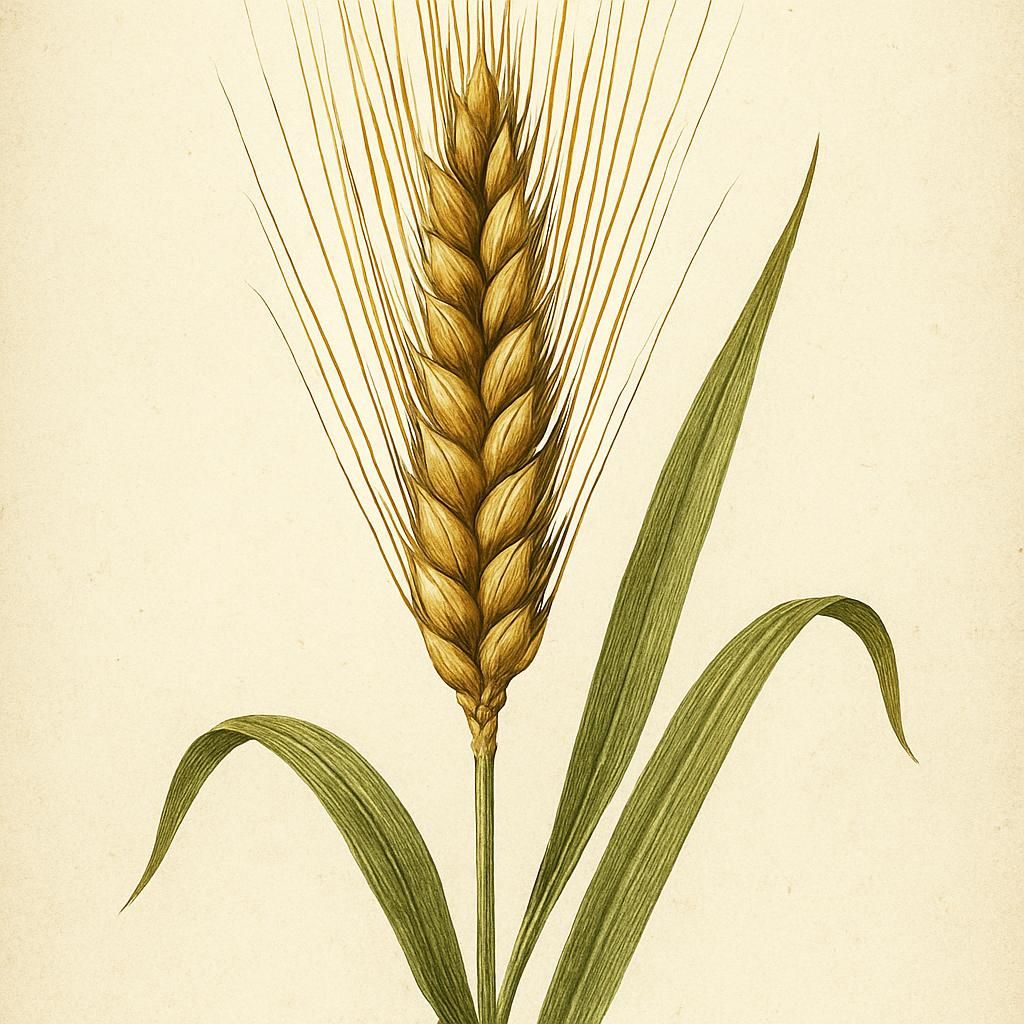
Introduction to Barley (Golden Promise)
Barley, particularly the 'Golden Promise' variety, is a popular grain grown for its distinct malt characteristics, often utilized in the food and beverage industry. Originally developed in the UK, this two-row variety is famed for its adaptability and ease of cultivation, making it a favorite among home brewers and commercial producers alike.
Botanical Profile of Barley (Golden Promise)
Golden Promise is a cultivar of Barley, known for its golden hues, robust growth, and high yield potential. As a member of the Poaceae family, it shares attributes typical of grass species, such as a fibrous root system and slender, upright stems.
Soil, pH, and Climate Requirements for Barley (Golden Promise)
Barley thrives in well-drained loamy to sandy soils and requires a steady rainfall or irrigation system for optimal growth. It favors cooler climates, making it suitable for spring and fall planting.
| Condition | Ideal Range |
|---|---|
| Soil Type | Loamy, Sandy |
| Soil pH | 6.0 - 7.5 |
| Temperature | 12°C - 18°C (54°F - 64°F) |
| Rainfall | 400-600 mm annually |
Step-by-Step Planting & Propagation
- Seed Preparation: Obtain certified Golden Promise seeds for purity. Pre-soak seeds in water 24-48 hours before sowing to enhance germination.
- Soil Preparation: Tillage and ground leveling ensure a smooth seedbed, promoting uniform germination.
- Planting: Sow seeds 1-2 cm deep with a spacing of 15-20 cm between rows. Ensure soil temperature is consistently above 10°C (50°F).
- Mulching: Use organic mulch to retain moisture and regulate soil temperature.
Care & Maintenance Regimes for Barley (Golden Promise)
To ensure optimal growth, Golden Promise requires consistent care strategies for watering, fertilization, and pest control.
| Schedule | Water | Fertilizer | Pruning |
|---|---|---|---|
| Initial Growth | Moderate | NPK (10-20-10), before sowing | Minimal |
| Mid-Season | Regular | N, additional upon leaf formation | None |
| Pre-Harvest | Decrease | K, to enhance grain fill | None |
Regular monitoring for pest infestations such as Spider Mites is essential to prevent crop loss.
Pests, Diseases & Organic Management
Common pests affecting barley include aphids and rust. Implementing crop rotation and using natural predators or organic insecticides can control pest populations. Disease incidents like rust can be mitigated through resistant varietals and proper field hygiene.
Harvesting, Curing & Optimal Storage
- Harvesting: Typically occurs when barley heads are dry and golden. Moisture content should be around 12%.
- Curing: Post-harvest drying in a well-ventilated area to reduce moisture to below 8% prevents grain spoilage.
- Storage: Store in a cool, dry place in airtight containers to protect from humidity and pests.
Companion Planting for Barley (Golden Promise)
Barley can be effectively intercropped with legumes such as peas and Lentils to enhance soil nitrogen and deter pests. Avoid planting with other cereal crops to reduce disease spread and nutrient competition.
For additional insights on crop resilience and strategic planting, consider the article The Truth About Weather Patterns and Small Farm Resilience.