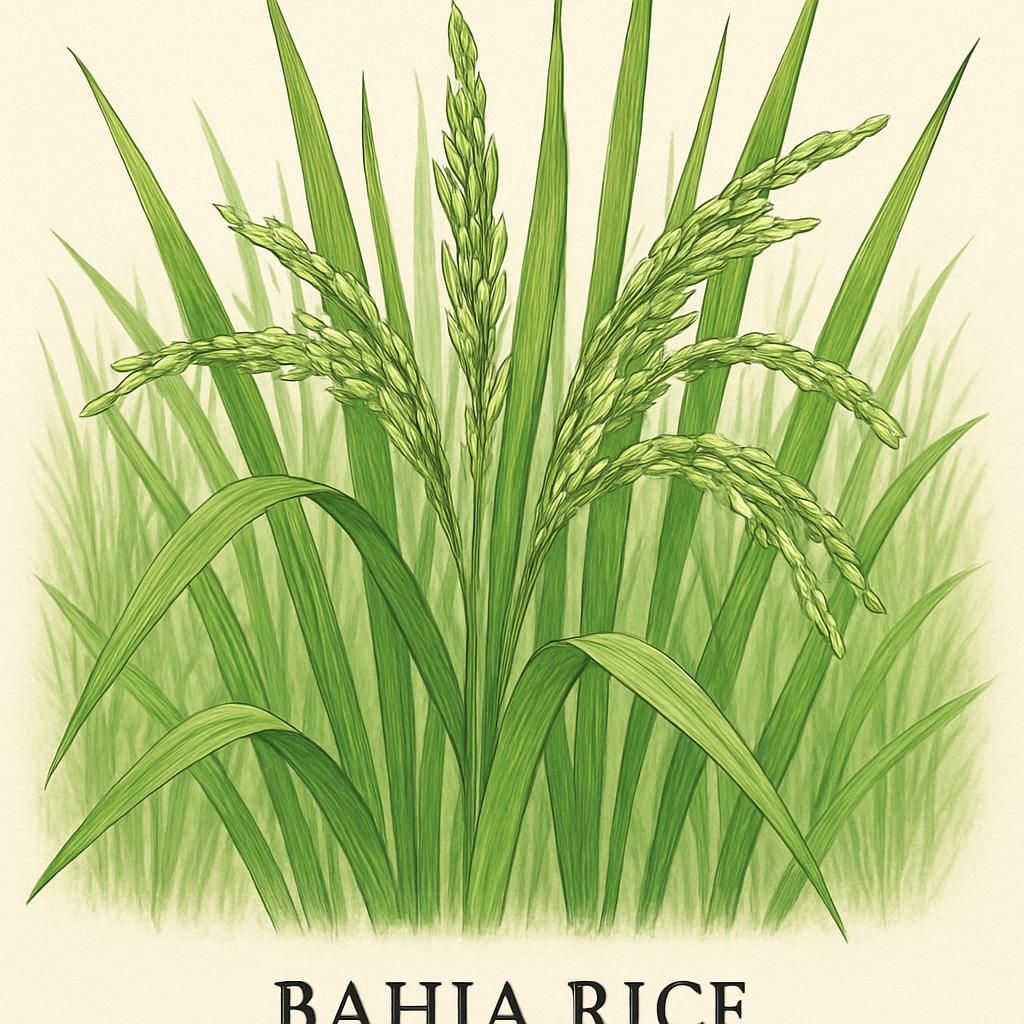
Introduction to Bahía Rice
Bahía Rice is a prominent variety of rice that is extensively cultivated due to its adaptability and robust nature. Distinguished by its medium grain and aromatic quality, it has gained popularity in various cuisines across the globe. Primarily grown in regions with a warm and humid climate, this variety is well-suited for traditional cultivation methods.
Botanical Profile of Bahía Rice
Bahía Rice, known scientifically as Oryza sativa, belongs to the Poaceae family. It is a monocotyledonous plant that thrives in areas with a consistent water supply. The plant reaches a height of approximately 60-120 cm and develops characteristic panicles where the grains are housed. Its growth cycle can range from 100 to 150 days.
Soil, pH, and Climate Requirements for Bahía Rice
The successful cultivation of Bahía Rice depends on meeting its specific soil, pH, and climate needs. Below is a table illustrating the ideal growing conditions:
| Parameter | Ideal Condition |
|---|---|
| Soil Type | Loamy, well-drained |
| Soil pH | 5.5 - 7.0 |
| Temperature | 21°C to 32°C |
| Rainfall | 1,000 to 1,500 mm/year |
| Humidity | >70% |
Step-by-Step Planting & Propagation
- Land Preparation: Begin with plowing and leveling the field to ensure proper water retention. Rid the area of weeds.
- Seeding: Use certified seeds. Soak them for 24 hours and dry for another 24 hours before sowing.
- Sowing Method: Direct seeding is recommended. Alternatively, transplanting seedlings after 20-25 days of nursery period can be effective.
- Spacing: Maintain at least 20 cm between rows and 15 cm between plants to promote air circulation
Care & Maintenance Regimes for Bahía Rice
Caring for Bahía Rice involves critical water, fertilizer, and pruning schedules to ensure optimal growth.
| Task | Detail |
|---|---|
| Watering | Flood irrigation or frequent watering |
| Fertilizing | Nitrogen-based fertilizers, bi-weekly |
| Pruning | Regularly remove dead or diseased stalks. |
Pests, Diseases & Organic Management
Bahía Rice is susceptible to several pests such as spider mites and insects. Organic Management: Use neem oil or set up sticky traps for pests. For diseases like blight and root rot, maintain well-drained fields and apply organic fungicides.
For broader strategies on dealing with pest invasions, consider exploring our fall pest siege articles.
Harvesting, Curing & Optimal Storage
- Harvesting should occur once the panicles are fully mature and dry. The optimal time is when grains are at least 20% moisture.
- Curing involves drying harvested rice in the sun or using mechanical dryers until moisture content drops to 12-14%.
- Storage: Store in a cool, dry place in air-tight containers to prevent pest invasion.
Companion Planting for Bahía Rice
Companion planting can enhance the growth and yield of Bahía Rice. Suitable companions include clover to enrich soil nitrogen, and marigolds to deter pests. For further insights on companion planting, explore our guide on Summer Companion Planting: 10 Organic Pairings.