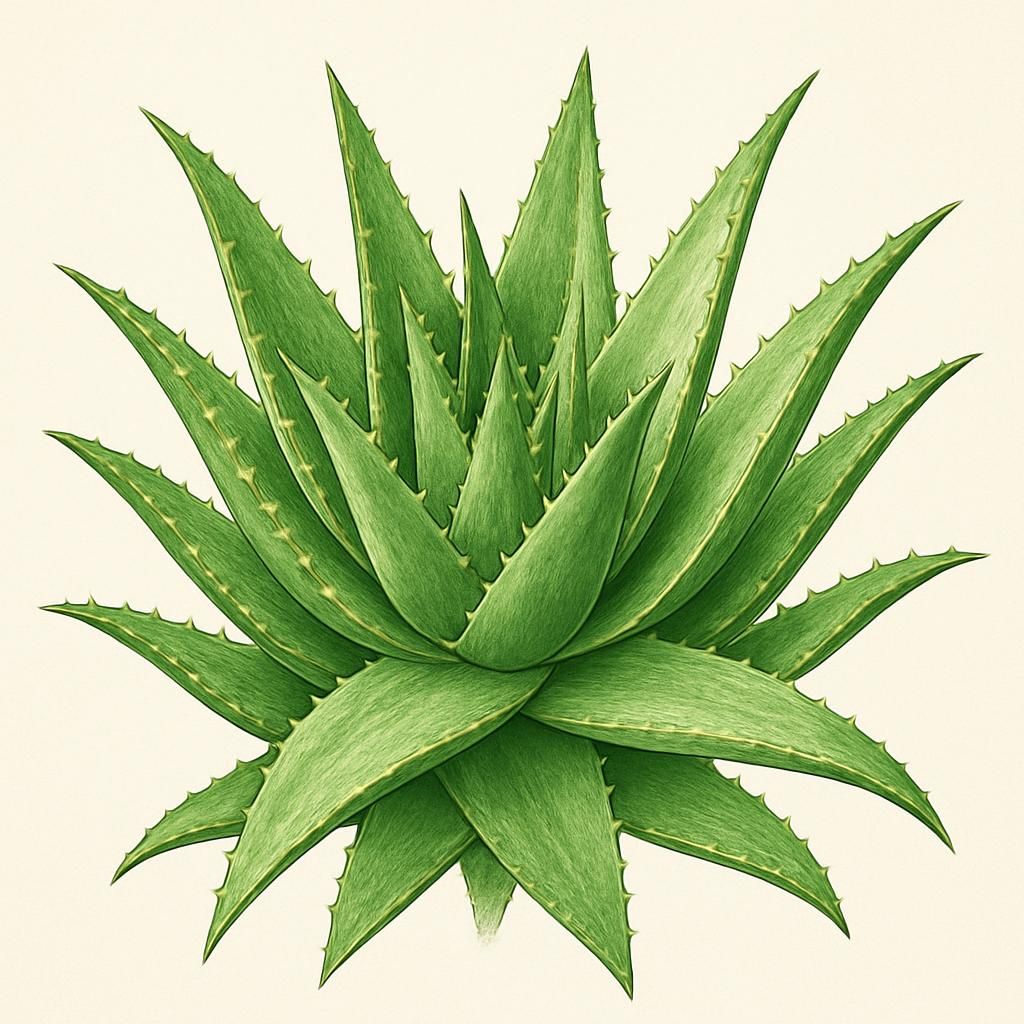
Introduction to Aloe vera
Aloe vera has been cultivated for thousands of years for its thick, fleshy leaves that contain a clear, nutrient-rich gel used in pharmaceuticals, cosmetics, and natural remedies. The plant stores water in its leaves, allowing it to survive extended drought periods with minimal irrigation. Commercial growers value Aloe vera for its steady demand in the wellness and skincare sectors, while home gardeners appreciate its ornamental form and low water needs.
Botanical Profile of Aloe vera
Aloe vera belongs to the Asphodelaceae family and is characterized by rosettes of lance-shaped, serrated leaves that can reach 60–90 cm in length. Mature plants produce tubular yellow or orange flowers on tall racemes during the blooming season. The gel, located in the central parenchyma of each leaf, is composed primarily of polysaccharides, amino acids, and enzymes that contribute to its therapeutic properties.
Soil, pH, and Climate Requirements for Aloe vera
Aloe vera demands well-drained, sandy or loamy soils with low fertility to prevent root rot. The following table outlines ideal growing conditions:
| Parameter | Ideal Range | Notes |
|---|---|---|
| Soil Type | Sandy loam or cactus mix | High drainage prevents waterlogging |
| Soil pH | 6.0–8.0 | Slightly acidic to mildly alkaline |
| Temperature | 15–35 °C (day); >10 °C night | Frost below 0 °C causes leaf damage |
| Sunlight | Full sun (6–8 hours) | Tolerates light afternoon shade in tropics |
| Spacing | 30–45 cm between plants | Rows 60–90 cm apart for commercial beds |
| Annual Rainfall | 250–500 mm (supplemental) | Overwatering is the leading cause of loss |
Step-by-Step Planting & Propagation
- Select healthy offsets (pups) from the base of a mature mother plant. 2. Allow cut surfaces to callus for 2–3 days in shade. 3. Prepare raised beds or containers with a 50:50 mix of coarse sand and perlite. 4. Plant offsets so the base sits just above soil level. 5. Water lightly after planting and withhold further irrigation for 7–10 days to encourage rooting.
Care & Maintenance regimes for Aloe vera
Consistent but minimal intervention keeps plants vigorous. The table below summarizes key schedules:
| Activity | Frequency | Details |
|---|---|---|
| Watering | Every 2–3 weeks in growing season | Allow soil to dry completely between waterings; reduce in winter |
| Fertilizer | Once in early spring | Low-nitrogen, balanced NPK 10-10-10 or organic compost tea at half rate |
| Pruning | As needed (remove damaged leaves) | Use sterilized shears; avoid cutting into the central growing point |
Pests, Diseases & Organic Management
Aloe vera is generally resistant to pests, yet spider mites and mealybugs can appear under greenhouse conditions. Root rot caused by overwatering is the primary disease concern. Organic controls include neem oil sprays for mites and improved drainage plus reduced irrigation frequency to prevent fungal issues.
Harvesting, Curing & Optimal Storage
Harvest mature outer leaves (at least 30 cm long) by cutting at the base with a sharp, sterile knife. Rinse leaves, stand upright to drain latex (aloin), then fillet the gel. Fresh gel can be refrigerated for up to two weeks or frozen in airtight containers for six months. Commercial producers dehydrate gel into powder for extended shelf life.
Companion Planting for Aloe vera
Aloe vera pairs well with drought-tolerant herbs such as thyme and rosemary that share similar irrigation needs and provide aromatic pest-repelling properties. Avoid planting with moisture-loving crops like lettuce that may increase humidity and disease pressure around aloe beds.